
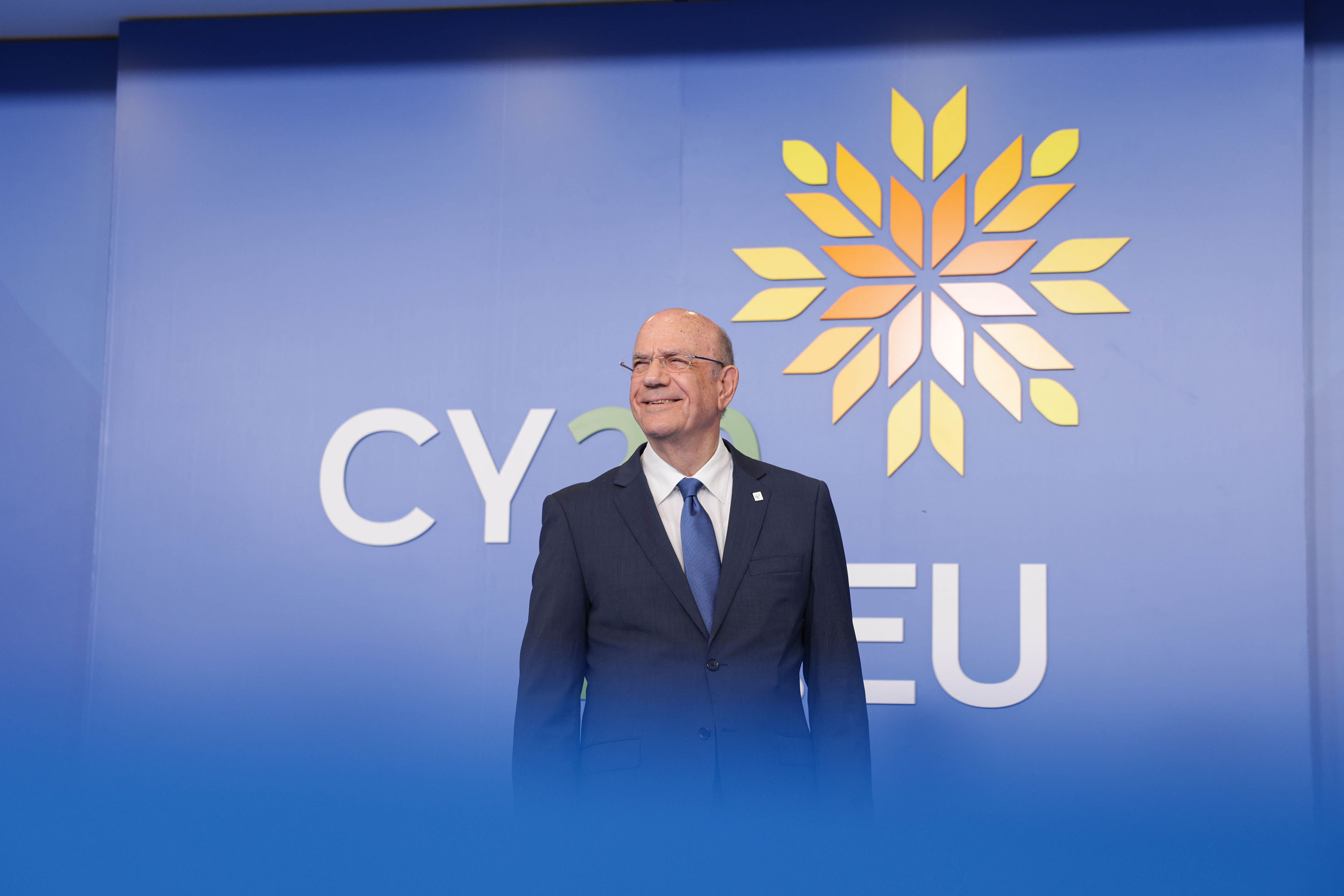
There was broad support among EU ministers for ensuring that every European citizen has the right to live, work and build a future in their home region if they choose to do so, Finance Minister Makis Keravnos said on Friday following the first session of the informal meeting of EU ministers responsible for cohesion policy in Nicosia.
Speaking at a press conference at the Filoxenia conference centre, where he chaired the meeting as part of Cyprus’ presidency of the Council of the European Union, Keravnos described the discussions as “particularly productive and interesting”.
He said the first session focused on the “right to stay”, a concept aimed at ensuring that mobility within the EU remains a choice rather than a necessity.
“There was broad support for ensuring that every citizen of the European Union should have the opportunity to live, work and create in their own place, if they so choose,” Keravnos said.
While acknowledging that the free movement of people within the single market remains one of the EU’s greatest achievements, he said it was equally important to maintain a meaningful balance so that citizens are not forced to leave their regions in search of opportunities.
According to Keravnos, ministers agreed that cohesion policy and targeted investments can help support regions, create opportunities and make the right to stay a realistic and sustainable option for citizens across the bloc.
The second part of the meeting was set to focus on the challenges facing islands ahead of the presentation of the European Union’s first-ever strategy for islands.
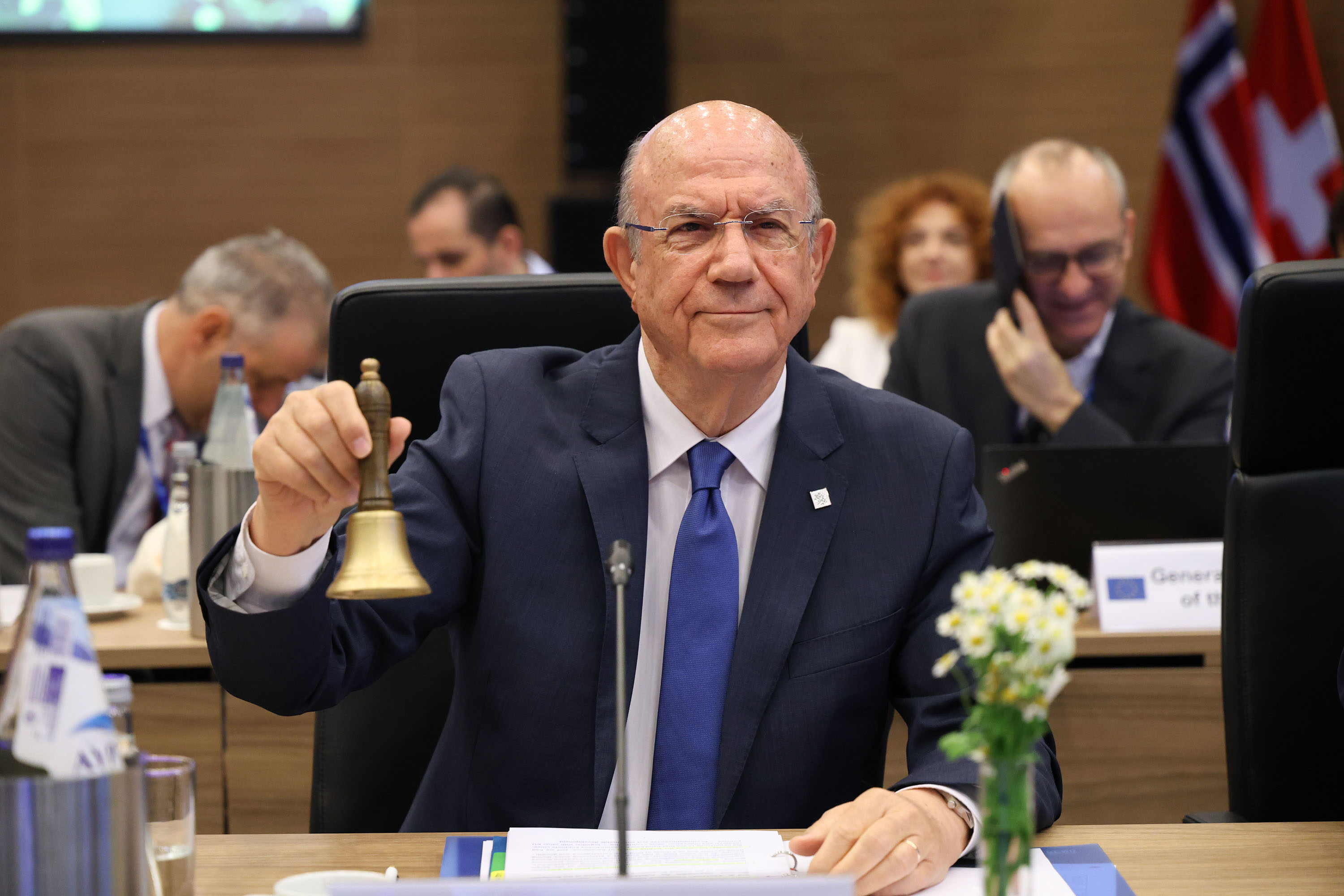
Keravnos announced that the strategy will be formally presented on June 26 during a high-level meeting in Paphos, co-organised with the European Commission.
“The islands of the European Union face particular and complex challenges,” he said, adding that despite recognition of their unique characteristics, significant gaps remain in how those challenges are addressed through EU policies and funding mechanisms.
European Commissioner for Cohesion and Reforms, Raffaele Fitto, said the right to stay was a key priority for the European Commission and formed part of Commission President Ursula von der Leyen’s political guidelines.
He described the issue as central to efforts to reduce inequalities across Europe and said the Commission had extended its consultation process until June 12 to allow for further engagement with national governments, regions and cities.
Fitto also highlighted the importance of the forthcoming islands strategy, noting that more than 4,000 islands are home to approximately 17 million people across the European Union.
“Three member states, including Cyprus, are island states,” he said, stressing the need to provide the appropriate tools and support to address the challenges they face.
He added that the Commission is pursuing an integrated approach to cohesion policy, working closely with commissioners responsible for agriculture, tourism, transport and the blue economy.
Responding to questions about the next Multiannual Financial Framework, Fitto said the Commission was working to modernise cohesion policy and adapt it to new challenges.
He noted that member states had recently redirected €35 billion towards five new priorities – defence, competitiveness, housing, water and energy – as part of a mid-term review of cohesion programmes.
“The world changes every week, every day,” Fitto said. “It is very important to adapt cohesion policy to the new challenges we face.”





Click here to change your cookie preferences