
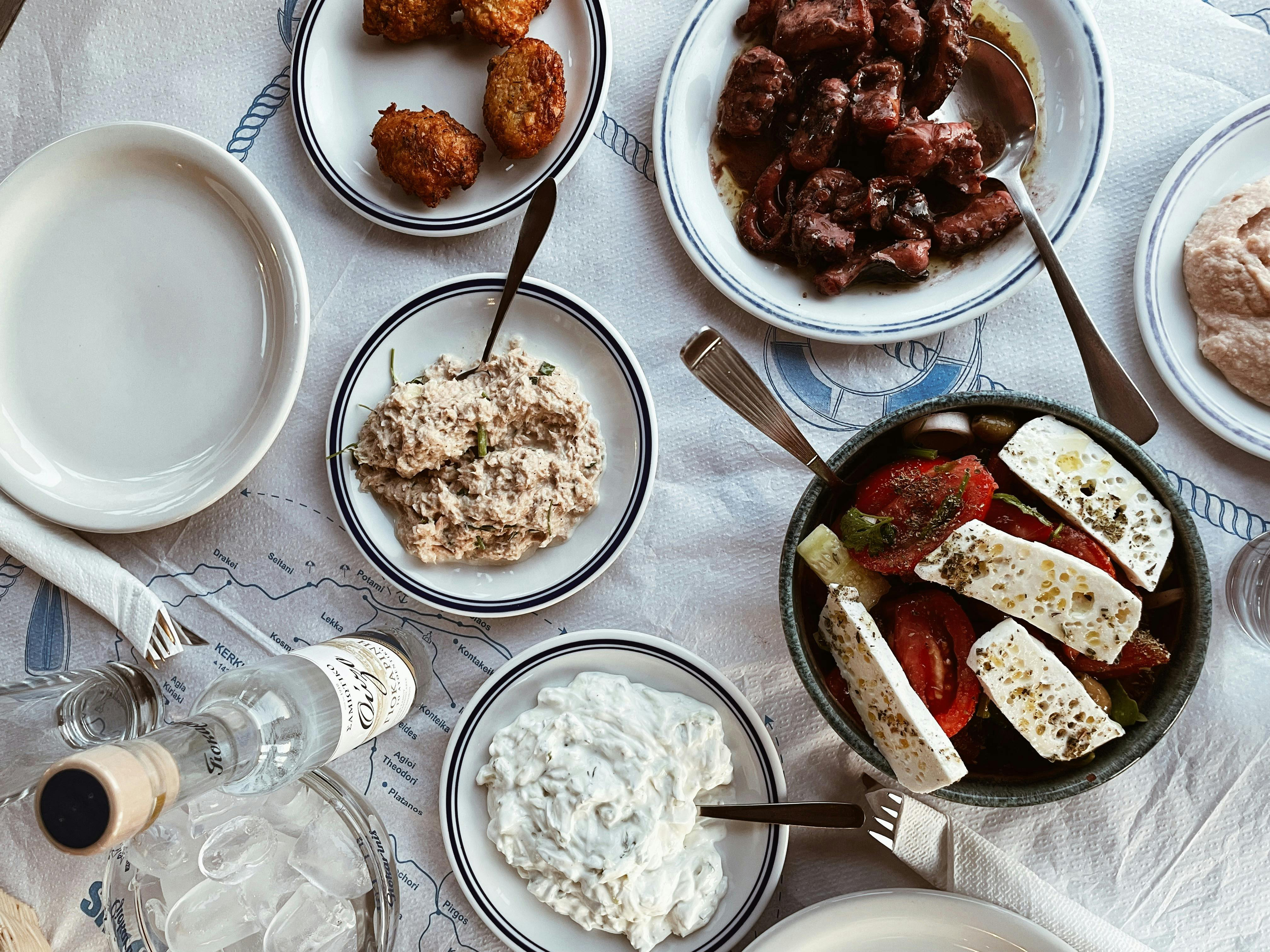
‘We left behind the life we knew, but in the kitchen, we kept those memories alive’
Food is not generally thought of as a record of history. But, recipes get handed down, meals are repeated, and habits turn into routines. In Cyprus, familiar dishes often hold signs of something larger, like migration, memory and cultural exchange.
For families on the island and those that have moved away, traditional dishes mean more than just recipes passed down. They help people keep their identity, remember places they left, and adjust to new lives while still holding onto their past.
Food has always been an integral part of the culture for Cypriots who have moved away from the country and have tried to recreate their culture wherever they have settled.
“When my family arrived in Canada as refugees from Cyprus, food become one of the most powerful ways we held on to home,” says Irene Matys, author of My Cypriot Table. “We had left behind the life we knew, our extended family, but in the kitchen, my yiayia and mama kept those memories alive.”
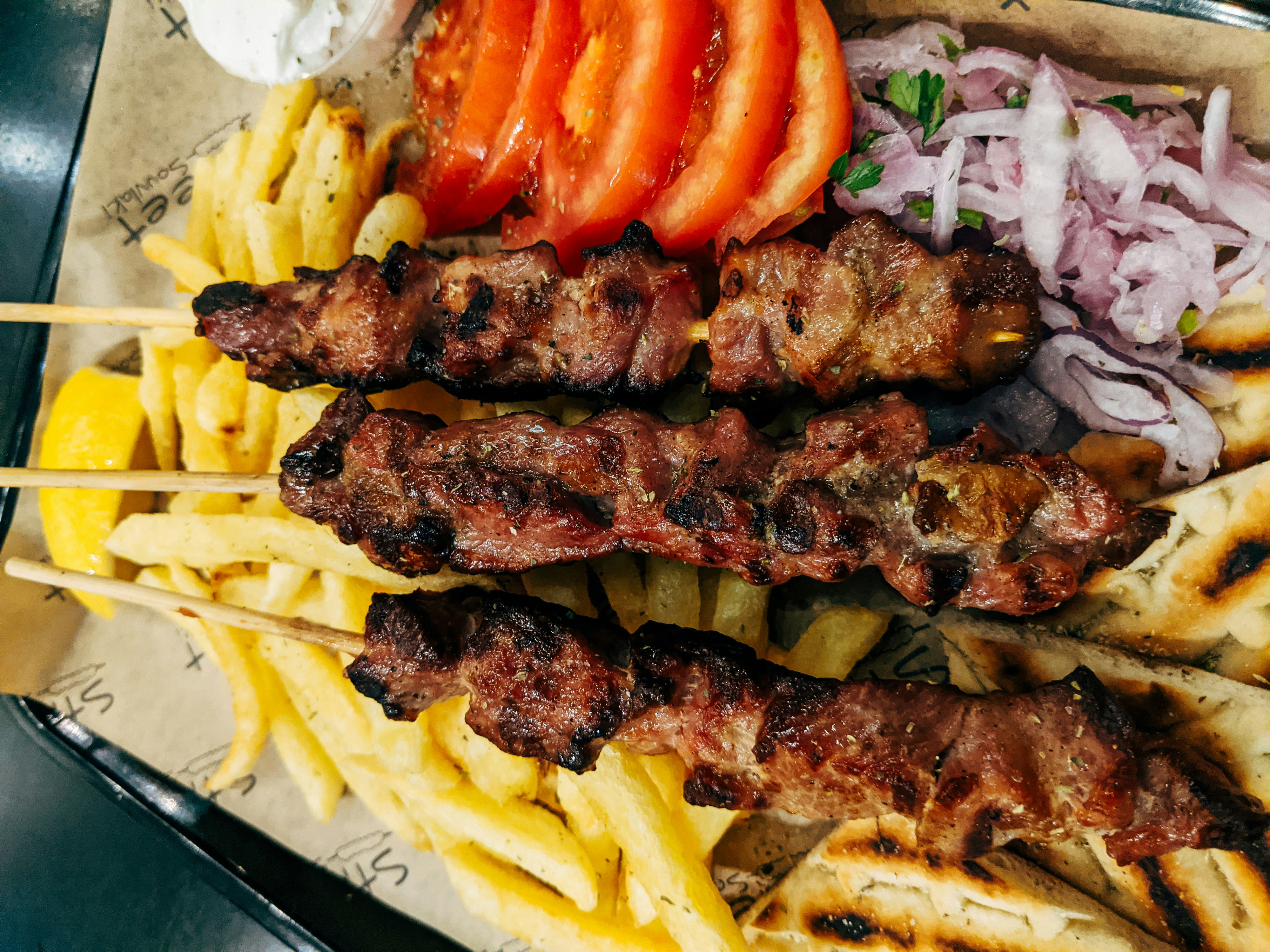
Eliopita baking in the oven, halloumi sprinkled over the pasta, lamb souvla at Easter, all these memories were kept alive in the kitchen. “Cooking those dishes wasn’t just about feeding the family; it was about recreating a sense of belonging in a new country,” she says.
While the role of food preserving identity across cultures is common, in Cyprus it is frequently passed down within families rather than through formal instruction. As Matys puts it, this becomes a form of “living memory”.
“When families leave their homeland, so many aspects of life change,” she says. “But recipes travel with people… Cooking those dishes becomes an act of cultural preservation. It’s a way of saying, this is who we are, and this is where our story began.”
Cypriot cuisine is a perfect example of a tradition that was formed under the influence of many cultures. Located geographically between Europe and the Middle East, Cyprus has adopted culinary influences from a variety of cultures, including the Greek and Ottoman cuisines, and Levantine flavours, often without being able to draw clear distinctions between them.
“In our family kitchen, those influences are blended naturally,” Matys says. “Growing up, we didn’t think about it as layers of history, it was simply the food our family cooked.”
For the younger generations of Cypriots living abroad, it has often been a more conscious effort, one of discovery rather than inheritance. British Cypriot home cook now based in Sydney, Nikoletta Nicolaou describes food as a means by which she bridges distance, both that which separated her from her native country, as well as from her loved ones.
“Cooking is how I stay connected to it,” she says. “It keeps my culture and heritage alive and allows me to share it with my two little girls and friends that I’ve made here”. Growing up between cultures, she explains, allowed her to understand what was unique about Cypriot food. “Cypriot food represents comfort, family, and generosity,” she says. “It’s the kind of food that is meant to be shared around a table with your people.”
Some of her most vivid memories are associated less with delicate or complictad dishes and more with common meals. “Things like louvi, keftedes, or a plate of makaronia me keima immediately take me back to being in my yiayia’s kitchen,” she says. “Everything was instinctive, a pinch of this, a splash of that”.
The act of moving overseas can change the meaning of beloved meals. “When you move further away from where your family is, food starts to become a connection to back home and a source of comfort,” Nicolaou says. “Especially now that I have children, it means so much more. Cooking these dishes isn’t just about nostalgia – it’s also about passing something down.”
While food remains an important link for those who live outside their homeland, there are also changes in eating habits within Cyprus itself. According to food blogger and writer Paola Papacosta despite changes in the preparation of food, tradition remains an important part of the everyday eating habits of Cypriots.
“Cyprus cuisine is incredibly broad, shaped by centuries of history, cultures and influences,” she says, highlighting the common patterns of shared meals.
Despite being more modern, families keep the tradition alive. “We always have a salad in the centre, or tomatoes, and cucumber with olive oil, lemon and sea salt, regardless of the main dish,” she says. “Lemon is always on the table because lemon goes with everything.”
At the same time, she explains that there have been changes in the rate at which traditional home cooked food is prepared.
“When I was young, we had traditional dishes every day.” She says, listing meals that were prepared according to a weekly cycle. “We don’t eat this kind of food every day anymore, but we do try and keep a lot of the dishes and definitely Cypriot ingredients.”
However, one thing that remained constant is the social nature of the aspect of food. “We gather around the foukou to nibble,” she says, speaking of the tradition of barbequing and eating together with family and friends.
What has remained unchanged throughout history is not just the food itself, but what it represents. To some extent, traditional Cypriot cuisine is a record of the island’s past, preserved in rituals and traditions.
“Cypriot food represents hospitality and community,” says Matys. “A meal is never rushed, and no one leaves the table hungry. It’s about welcoming people into your home and sharing what you have.”
For families in the diaspora, the value becomes even more meaningful as familiar traditions are recreated at the table in their new homeland. “Food carries history in a very tangible way.” Matys says, “When we cook traditional Cypriot food were not only preserving recipes – we are preserving stories about how people lived, adapted and celebrated life on the island”.
For recipes and more info : Irene Matys – https://irenematys.com/, Nikoletta Nicolaou – https://nikolettaskitchen.com/, Paola Papacosta – https://www.instagram.com/cypriotandproud/





Click here to change your cookie preferences