
European financial regulators recently set out a renewed push for stronger EU-level supervision as capital markets become increasingly cross-border and technology-driven in a joint interview released earlier this month.
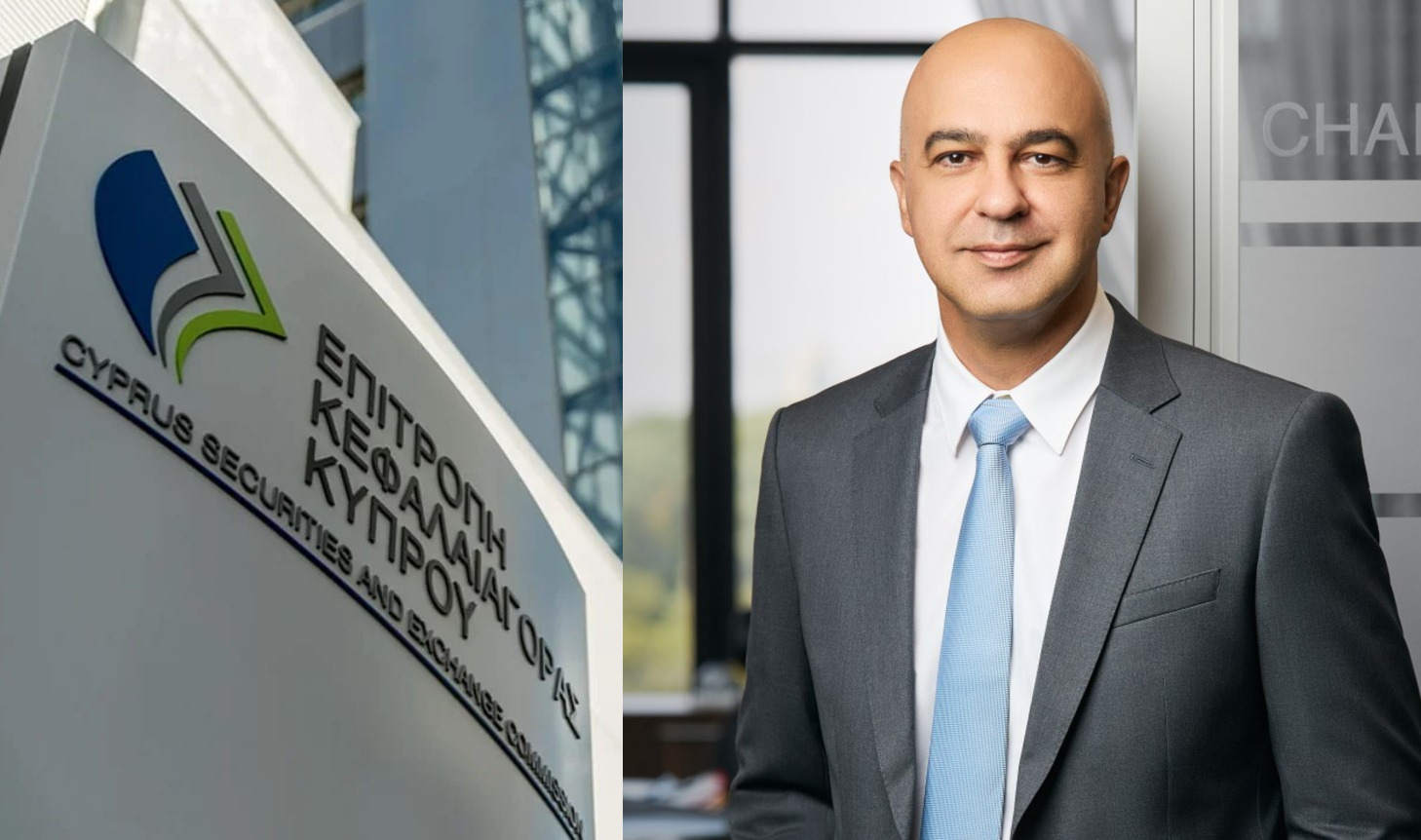
The discussion, originally published by Philenews, featured European Securities and Markets Authority (ESMA) President Verena Ross and Cyprus Securities and Exchange Commission (CySEC) Chairman George Theocharides, who examined investor protection, financial innovation and Cyprus’s role within evolving European capital market structures.
Ross said ESMA’s core mission is built on three pillars, stating that “ESMA’s role is to protect investors, ensure orderly markets, and safeguard financial stability across the EU,” adding that consistent application of rules across member states remains essential as financial activity becomes more interconnected.
She warned that divergent national interpretations of the same rules can create gaps and inefficiencies, particularly as firms increasingly operate across borders and emerging technologies such as crypto-assets and artificial intelligence reshape financial services.
Ross also stressed that stronger EU-level supervision is intended to complement, not replace, national regulators, explaining that “the aim is not to replace national authorities, but to complement their work where EU-level oversight offers clear added value.”
She added that greater integration would benefit smaller member states, including Cyprus, by expanding access to wider investor bases and improving market scale under the EU’s broader capital markets framework.
Investor protection, she said, remains central to ESMA’s work, with efforts focused on improving clarity and accessibility for retail investors while maintaining strong safeguards across jurisdictions.
Addressing technological change, Ross said innovation including artificial intelligence can improve efficiency and risk management, but must operate within a firm regulatory framework, stating that “ESMA supports innovation, provided it develops within a robust regulatory and supervisory framework.”
She added that ESMA applies a technology-neutral approach, meaning that existing investor protection rules apply regardless of whether decisions are taken by humans or supported by algorithms, while also prioritising cybersecurity and digital resilience across supervised entities.
Theocharides said Cyprus has a constructive role to play within EU financial integration, describing the country as a smaller financial centre that can help promote a more balanced and inclusive market structure across the bloc.
He said “Cyprus brings to the European Union the perspective of a smaller member state and financial centre,” adding that EU market integration must ensure benefits are shared across all member states.
He linked this to Cyprus’s wider engagement in European policymaking, including its contribution during the Council of the European Union presidency, with a focus on competitiveness, innovation and resilience.
Theocharides said CySEC supports further harmonisation under the Savings and Investments Union framework, arguing that a more unified system would ensure financial products are assessed consistently across the EU and improve market trust.
He added that CySEC has developed a risk-based supervisory model supported by data-driven analysis, thematic reviews and technology-enabled oversight, designed to respond more effectively to a rapidly evolving financial sector.
On investor awareness, he said CySEC places strong emphasis on education and warnings, particularly in higher-risk areas such as crypto-assets and online investment activity, where risks can change quickly.
He also highlighted Cyprus’s progress in adapting to digital finance, including implementation of EU frameworks such as MiCA and strengthened focus on operational resilience in financial services.
CySEC’s approach includes support for fintech development through a regulatory sandbox, which allows experimentation in areas such as blockchain, distributed ledger technology and artificial intelligence under supervised conditions.
Theocharides said the combination of innovation and risk management is essential as Europe moves towards a more integrated financial system, particularly in a period shaped by geopolitical uncertainty and rapid technological change.
Both regulators framed trust, consistency and coordination as central to the future of European capital markets, with Cyprus positioned as both a participant in and beneficiary of deeper EU financial integration.





Click here to change your cookie preferences