

There comes a moment for many women – usually in or around their 40s – when the rules suddenly seem to change. The diet that worked for years no longer does. Sleep becomes elusive. Anxiety appears from nowhere. Skin changes and energy drops.
Well, welcome to the menopause and perimenopause.
Hollywood A-lister Halle Berry recently revealed that she thought she was seriously ill when she was ‘going through the change’ because nobody had properly explained what was happening to her body. Her honesty struck a chord with millions of women because, despite affecting half the population, perimenopause and menopause remain remarkably misunderstood.
This stage of life is not simply about hot flushes and the end of periods – it is a profound biological transition that affects metabolism, hormones, bones, skin, brain health, cardiovascular health and even longevity.
Lewis Carroll captured the experience perfectly in Through the Looking-Glass when the Red Queen tells Alice: “Now, here, you see, it takes all the running you can do, to keep in the same place.” That is often how women describe their own midlife experience.
However, despite the challenges, this phase can also be one of the most powerful opportunities for women to take control of their long-term health and future wellbeing.
One of the most important areas to focus on during perimenopause is metabolic health. As oestrogen levels fluctuate and gradually decline, women often become more insulin resistant. So, blood sugar control becomes increasingly important, not only for weight management but also for inflammation, cardiovascular health and ageing itself.
Excess sugar contributes to a process called glycation, where sugar molecules damage collagen, elastin and tissues throughout the body. This accelerates skin ageing, but also affects blood vessels, joints and organs.
As you might expect, diet becomes crucial during this period because women often need significantly more protein than they realise, especially if they want to preserve muscle mass, support hormones and maintain metabolic flexibility.
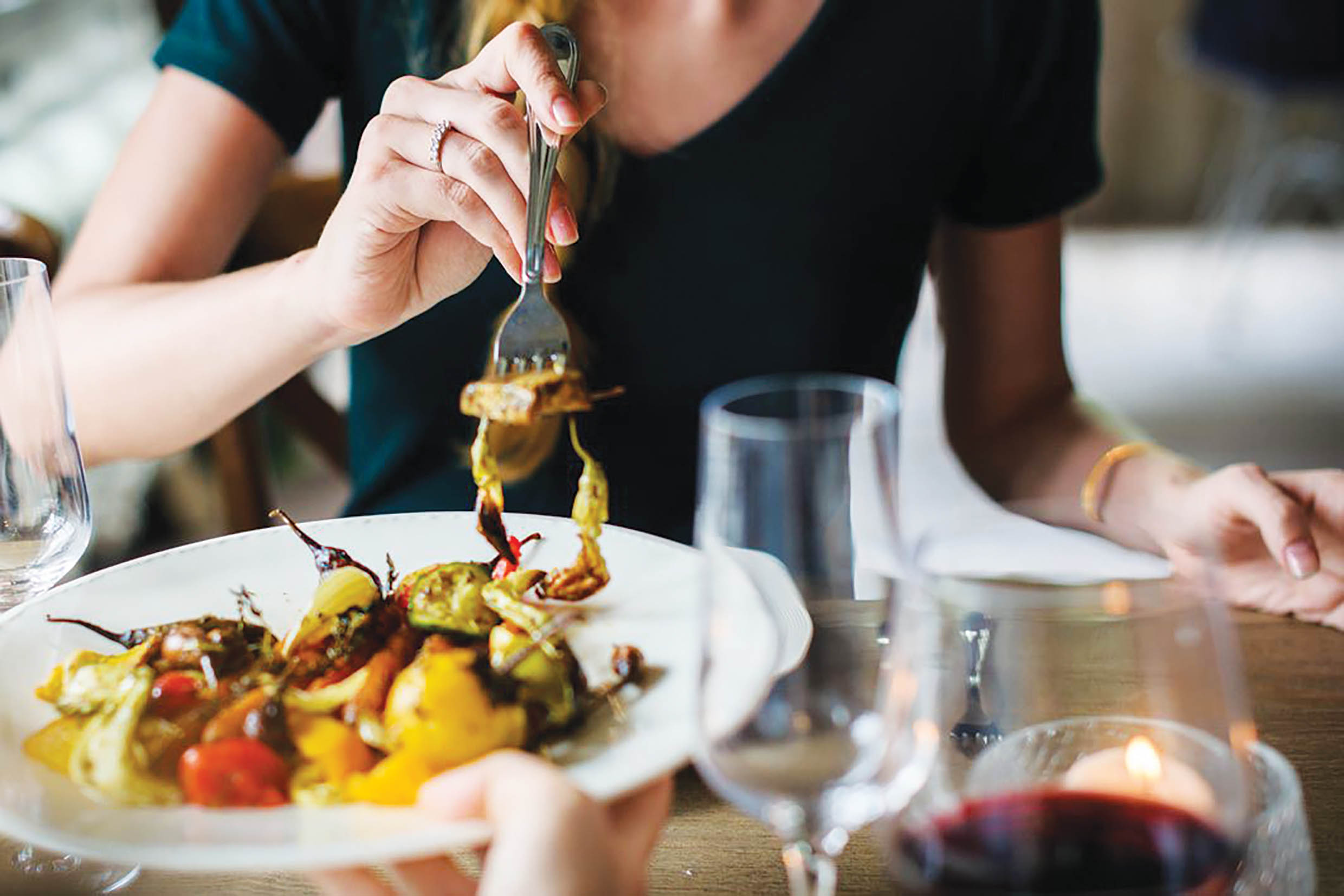
For many women, aiming for approximately 1.5g of protein per kilogram of body weight daily can be transformative. Protein also supports skin, neurotransmitters and detoxification pathways.
Fibre also becomes increasingly important during this phase of life as it supports the microbiome, assists detoxification and helps regulate blood sugar and cholesterol.
Resistance and strength training are also good habits to get into because post-menopause, women lose bone density and muscle mass more rapidly due to hormonal changes.
Strength training sends a powerful signal to the body to maintain muscle and strengthen bones. This is why DEXA scans can be extremely valuable. These scans measure bone density and body composition and can help identify early bone loss before osteoporosis develops.
Another major but often overlooked factor in hormonal health is the adrenal system. As ovarian hormone production declines, the adrenal glands play an increasingly important supporting role, but if they are constantly dealing with stress, poor sleep and elevated cortisol levels, they have fewer resources available for this hormonal transition.
This is one reason why so many women in midlife suddenly feel exhausted and ‘burnt out’ and why rest and high-quality sleep are biological necessities.
Sleep is when the brain detoxifies, hormones regulate, tissues repair and mitochondria recover. Mitochondria, the tiny energy-producing structures inside our cells, also play a huge role in how we age. Supporting mitochondrial health through nutrient-dense food, movement, sleep, stress management and targeted supplementation can profoundly influence vitality and resilience.
Women in perimenopause often notice changes in digestion and inflammation. So, supporting bile flow can become particularly important because bile helps the body digest fats and eliminate excess hormones and metabolic waste.
Poor bile flow can contribute to bloating, constipation and sluggish digestion.
Fortunately, simple measures such as eating plenty of fibre, staying hydrated, including healthy fats, exercising regularly and incorporating bitter foods like rocket, dandelion leaves and artichokes can help keep these pathways functioning efficiently.
Living in Cyprus, we know how important hydration is generally, but we often neglect our electrolyte balance. Minerals such as sodium, potassium and magnesium help regulate energy, muscle function and recovery.
Creatine, although not an electrolyte, is also attracting attention for its potential benefits in preserving muscle mass, supporting cognitive function and improving energy production during midlife and beyond.
Supplements can also play an important role when chosen carefully and professionally. Magnesium, omega-3 fatty acids, vitamin D, B vitamins and specific amino acids may all support various aspects of hormonal and metabolic health.
Detoxification also deserves attention. The liver, kidneys, skin, lungs and digestive tract do the heavy lifting when it comes to processing and eliminating waste products from the body, so supporting these systems through good nutrition and healthy lifestyle habits is essential.
Finally, there is welcome and growing awareness around bioidentical hormone therapy. For some women, hormone replacement can significantly improve quality of life and support long-term health outcomes, particularly regarding bone health, cardiovascular health and cognitive function.
But every woman is different, and decisions around hormone therapy should always be personalised and guided by experienced medical professionals.
So, the message here is that menopause should not be viewed purely as decline. It is a transition, yes, but it can also become a recalibration.
Women today are living longer than ever before. A woman entering menopause at 50 may easily live another 35 or 40 years. So, the choices made during this period matter enormously.
Midlife is no longer simply about surviving symptoms. It is about building the strongest possible foundation for the decades ahead.
And yes, like the Red Queen said, it may take more running than before simply to stay in the same place. But with the right information, support and strategy, women can do far more than simply keep up.
Dina Gavarieva is a qualified naturopath practising at Neomed Institute and Medical Centre, Limassol




Click here to change your cookie preferences