
The International Maritime Organisation (IMO) has welcomed the peace agreement announced between the US and the Islamic Republic of Iran, saying it signals “a crucial return to peace, dialogue, multilateralism and diplomacy”.
According to the IMO, at least 46 attacks against international shipping have been verified in and around the Strait of Hormuz since the conflict began on February 28, 2026.
IMO Secretary-General Arsenio Dominguez welcomed the agreement “with great satisfaction”, saying it represented “an important step toward restoring safety in this vital maritime corridor for seafarers and ships”.
He said the agreement was also important for “safeguarding the fundamental principle of freedom of navigation”, a concern that remains central for global shipping and maritime centres such as Cyprus.
At the political level, Cyprus’ Foreign Ministry also welcomed the development, saying in a post on Monday that “the agreement is a critical step towards lasting de-escalation in the region, including Lebanon, and the restoration of freedom of navigation, and provides new impetus towards a comprehensive negotiating framework for a sustainable resolution of the nuclear issue and all other critical issues.”
It also called on all parties to “seize this opportunity and remain committed to dialogue, sobriety, and diplomatic engagement.”
The US and Iran announced that they had reached an agreement that will take effect on Friday, June 19. Reuters reported that US President Donald Trump said Washington was lifting its naval blockade of Iranian ports and that the Strait of Hormuz would reopen after the agreement is signed.
The development is being closely watched by the Cypriot shipping sector, as Cyprus has both flag-state and shipmanagement interests linked to vessels operating in the wider Gulf region.
The Shipping Deputy Ministry previously said that 19 ships under the Cypriot flag were in the Arabian Gulf region, adding that both the ships and the seafarers working on them were safe.
It also said the majority of those ships “operate on a permanent basis in the region” under the Cypriot flag and mainly provide specialised or auxiliary maritime services.
At the same time, the Cyprus Shipping Chamber (CSC) had said there were no casualties reported among crews on Cyprus-managed vessels, while chamber director general Thomas Kazakos said the main concern remained the safety of seafarers trapped in the region.
Kazakos, who is also Secretary-General of the International Chamber of Shipping (ICS), said on Monday that the announcement came “as a relief to the 20,000 seafarers who have been caught in the middle of this war”.
He said their “safe departure from the region must be a top priority but will take time”, adding that around 500 ships need to pass through the strait to exit the area.
This, Kazakos said, “will require coordination”, with the IMO having “a crucial role, working alongside industry and states in the region, to ensure this is done as safely and as quickly as possible.”
He added that “the fundamental principle of freedom of navigation has been sidelined during the war”, while many seafarers have regrettably been injured or lost their lives.
“As we now hopefully move towards peace, we must see a permanent return to vessels being able to pass through the Strait of Hormuz unimpeded without paying a toll or other clearance mechanism,” Kazakos said.
The chamber of shipping has also urged ships operating in the region to carry out thorough risk assessments and remain vigilant, stressing that the industry should rely only on verified information from trusted sources.
Meanwhile, Reuters reported on June 15, 2026, that shippers remain cautious despite the US-Iran agreement, with full transit through Hormuz expected to take time to resume because of continuing safety concerns.
Reuters also reported that one LNG tanker, Disha, had passed through the strait after the agreement, while more than 100 tankers remained in the Gulf awaiting clarity.
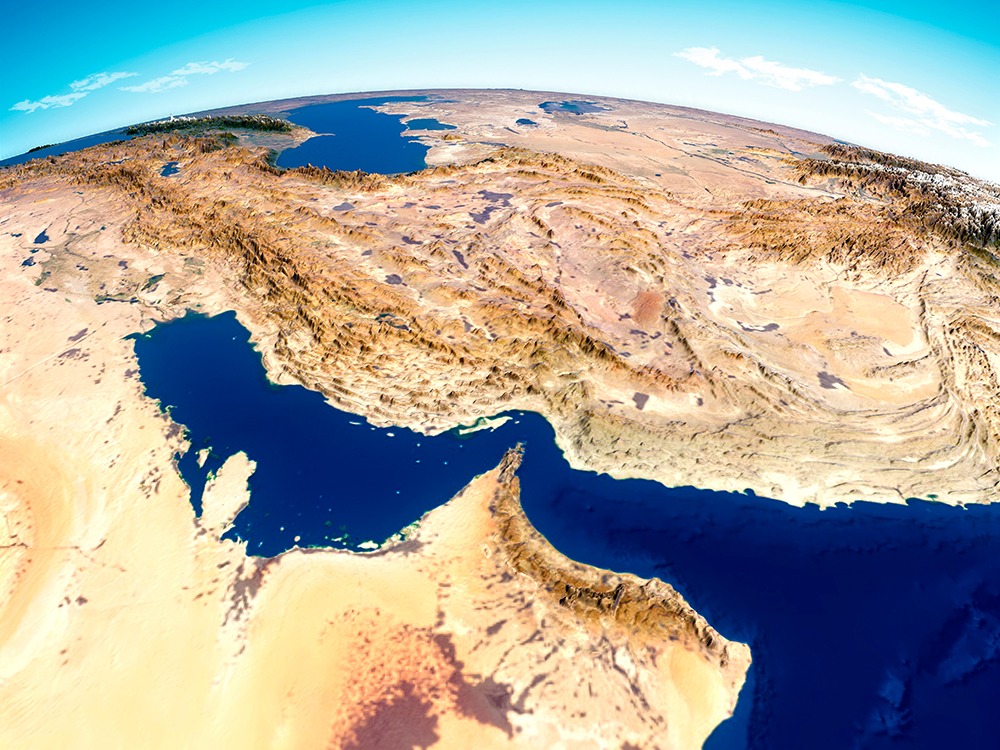
The economic importance of the corridor is also considerable. The Strait of Hormuz is one of the world’s most important energy chokepoints, carrying major volumes of oil and liquefied natural gas, which explains why the agreement has been closely followed by energy markets, shipowners and governments.
Reuters reported that oil prices fell by around 4 per cent after the preliminary agreement, reflecting expectations that energy flows could gradually return to normal if security conditions improve.
Dominguez also expressed “his deepest sympathies for all victims of the conflict”, paying particular tribute “to the innocent seafarers affected and to their families”.
He said their “courage and resilience in the face of prolonged uncertainty deserve the highest recognition”.
The agreement also allows IMO to advance “its plan to evacuate the thousands of seafarers stranded in the area”.
The organisation said it is working “in close collaboration with Member States and partners” to implement the plan “safely and effectively”.
However, the IMO said its implementation will require time “to ensure that all necessary safety and security guarantees are in place”.
The IMO reaffirmed “its commitment to maritime safety, the protection of seafarers, the freedom of navigation, and the continued free flow of global trade”.





Click here to change your cookie preferences