
By Dina-Perla Portnaar
My first five days in Cyprus were hell, with problems inside the house that demanded attention before anything else could begin to settle, continuous management of issues that appeared one after another. I didn’t know anyone in my neighbourhood, let alone builders or plumbers, which made each problem harder to deal with.
My previous home in Amsterdam was more than 230 years old. It carried minor imperfections. My new home in Cyprus is 16 years old. I never expected it to have more problems than the one I left in Amsterdam. The list is a disgrace for the reputation of Cyprus.
The boiler is broken, which means that there is no hot water. And although the summer is now upon us, I need hot water for health reasons; it is a basic need.
Another part of the building was broken and is now fixed. The bathtub leaks. The tiles need to be broken, the drain fixed and the tiles put back in. What is this living hell I find myself in? The ground floor toilet produces a persistent smell indicative of a much more dangerous issue. I’ll know soon.
Under the kitchen sink there’s an opening in the exterior wall that produces a rotten smell. I’ll leave the cabinet doors open in the coming week to ventilate, while also thinking ahead to how this will behave during colder months, and whether the issue will become more pronounced.
On the upper floor there’s a stain that points to a previous leakage. There are also cracks in the upper structure of the house. The technical inspection report stated there were none. Outside the house there are rust issues that I’m planning to handle myself.
Electrical problems were present, including exposed wires, which got solved. I have solved several paint related issues inside. The white dust everywhere asked for deep cleaning, which I did over the course of three days.
Reimbursement would be more than fair for the boiler, bathtub and the broken part of the building. These are serious hidden defects. In the Netherlands, the sellers are liable for five years after the buyer’s possession.
The Netherlands offers the full history of a property via a central file. There’s a legal obligation to provide a document to indicate what the buyers should know. But I was left searching the kitchen cupboards because the fridge-freezer, stove top, dishwasher and oven weren’t working.
I thought they hadn’t been installed. Only later did my friend deconstruct parts of the kitchen to find one panel hidden behind a drawer, and a tiny button for the dishwasher hidden on the wall next to the bin. One email or WhatsApp message would have prevented the immense anxiety this has caused.
My greatest anxiety is dealing with construction related professionals, and many exchanges leave me feeling they really can’t be described as that. Apparently, I’ve landed in a society that functions rather differently to the one I am used to. I hope the sellers will take responsibility, not as the outcome of a long litigation process but through common decency toward another human being.
This connects to a wider problem in Cyprus. I read so many experiences of foreign victims in a variety of real estate deals. What many have endured with property transactions is evil. So is treating foreigners as cash cows, especially people like me who aren’t rich. This prejudice toward foreigners needs to stop.
These repeated cases create reputational consequences that are difficult to ignore. It’s time to put industry standards and new laws in real estate on the political agenda.
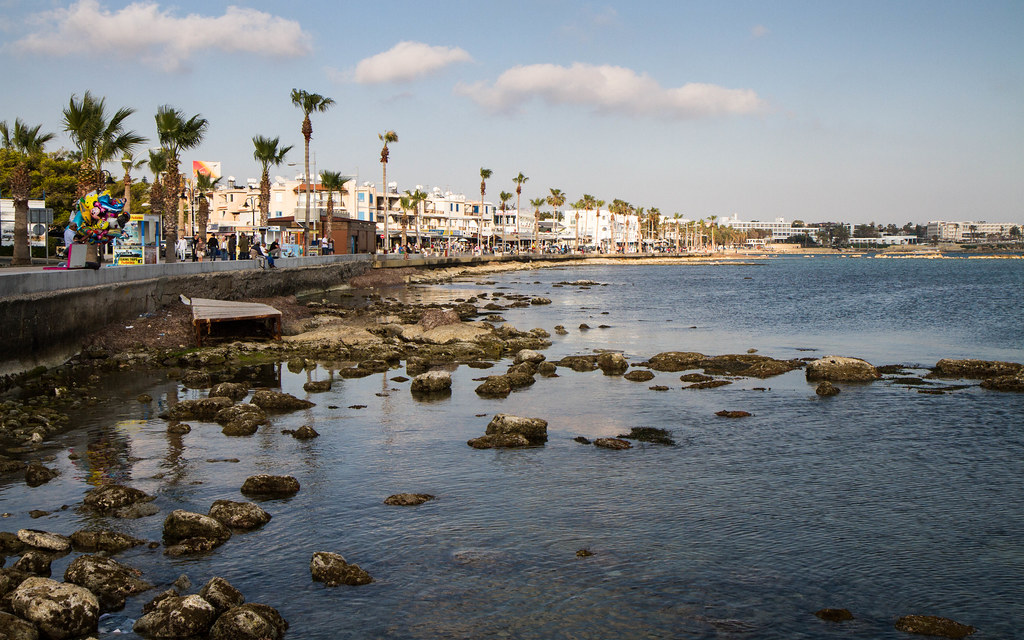
Had I worked with different people, my horrific landing in Paphos may have been joyful and peaceful instead. Paphos is a fit, but the house has cast a shadow over everything.





Click here to change your cookie preferences