
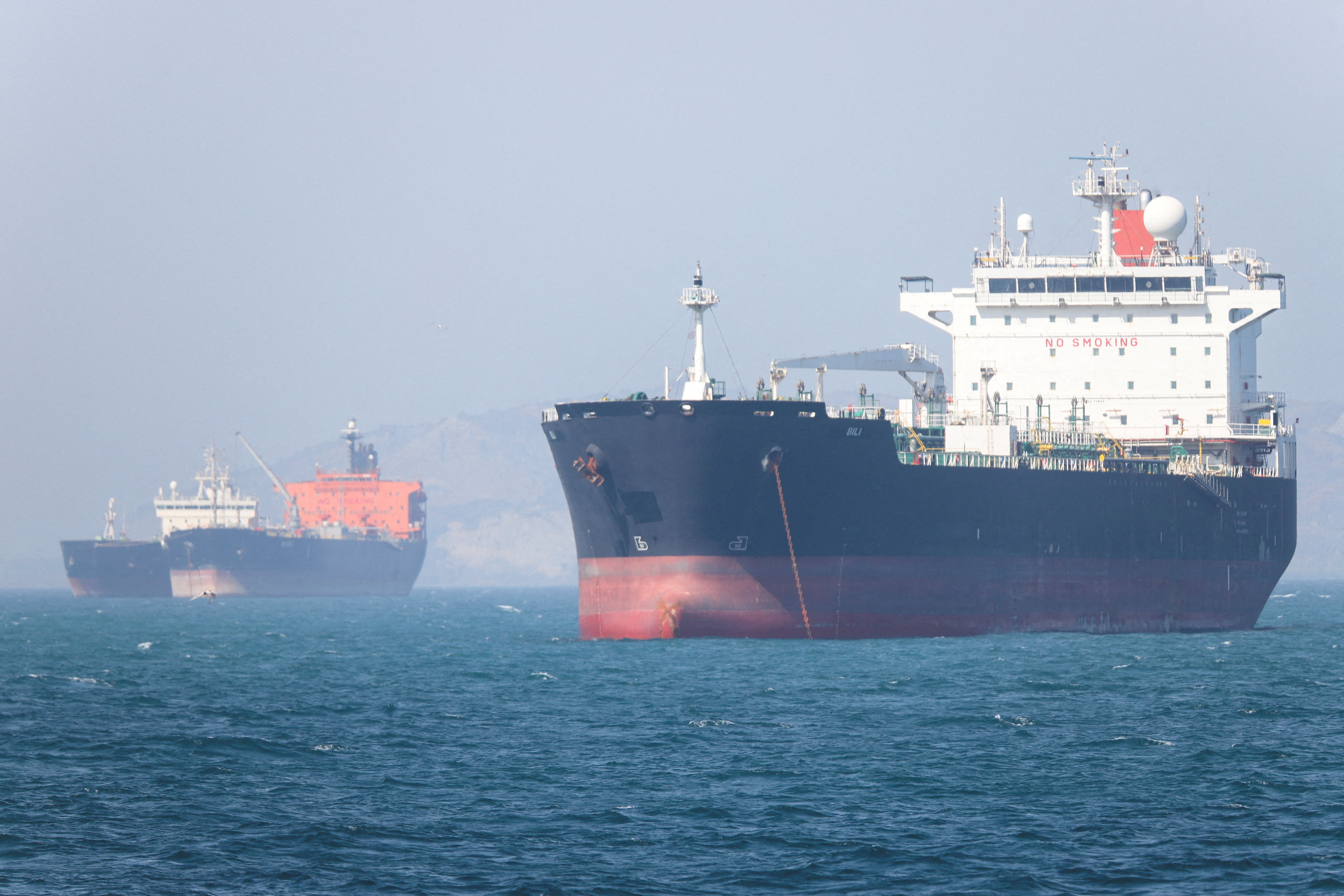
Fresh fighting in the Middle East has slowed the return of shipping through the Strait of Hormuz to normal levels, keeping war-risk premiums elevated and delaying the full recovery of oil exports from the Arabian Gulf.
Although the United States and Iran have agreed to halt hostilities and resume talks over the Strait, the latest escalation has emphasised how fragile the reopening of one of the world’s most important energy routes remains.
The Strait of Hormuz had begun to show signs of recovery after an interim ceasefire, with more tankers leaving the Gulf and crude loadings gradually increasing. However, the return to normal traffic has proved slow and uneven, with shipowners, charterers and insurers still treating the waterway as a high-risk passage.
The Internation Maritime Organisation (IMO) had launched a phased evacuation plan for thousands of seafarers and hundreds of ships stranded in the region, in cooperation with coastal states and the maritime industry.
However, the operation was later paused after an attack on a vessel in the Gulf of Oman, with the IMO saying it needed to reconfirm that safety guarantees remained in place.
The uncertainty has been made worse by disagreements over which routes ships should use. Iran has said safe passage would only be guaranteed through approved routes, while the IMO-backed framework included temporary routes through Iranian and Omani waters.
As a result, the reopening of the Strait has not amounted to a full restoration of commercial shipping. Instead, tanker movements remain selective, closely coordinated and heavily influenced by security assessments.
According to ship-tracking data cited in the report, crude oil exports from the Arabian Gulf had been running at normal levels until mid-March, before falling sharply and reaching a low of 3.31 million barrels per day on May 21.
By June 24, exports had recovered to 6.97 million barrels per day, but the 2026 average remained around 40 per cent lower than the corresponding average for the 2023-2025 period.
Tanker traffic shows a similar pattern. After the disruption in March, west-to-east transits through the Strait were almost non-existent for about eleven weeks.
Although crossings have since resumed, the number of tanker transits remained around 58 per cent below the levels seen over the previous three years by the end of June.
That gap points to the central problem facing the market. A ceasefire can reopen the passage, but it cannot by itself restore confidence.
For shipowners, the decision to transit Hormuz still depends on security guarantees, insurance availability, crew safety and the risk of renewed military action. For insurers, the renewed violence makes it harder to price risk with any certainty.
War-risk cover remains available in parts of the market, but it is far more expensive than before the conflict. Earlier this year, maritime insurance reports showed additional war-risk premiums for Gulf transits remaining several times higher than pre-war levels, even after easing from their March peaks.
This has added to the cost of moving crude and refined products, while discouraging some owners from sending vessels into the Gulf unless charter rates justify the risk.
At the same time, oil-producing countries have been leaning more heavily on routes that bypass Hormuz. Saudi Arabia has continued to use its East-West pipeline, while the United Arab Emirates has relied on the Habshan-Fujairah pipeline to move crude to the Gulf of Oman.
These routes give Gulf producers some flexibility, but they cannot fully replace normal tanker flows through Hormuz. Available alternative pipeline capacity remains limited, meaning that higher production alone will not be enough to restore exports.
Gulf producers may be able to raise output, but barrels still need a safe, insurable and commercially viable route to market. The latest escalation therefore leaves the shipping market in a holding pattern. Oil loadings are continuing, and some tankers are moving, but the recovery remains incomplete.





Click here to change your cookie preferences