
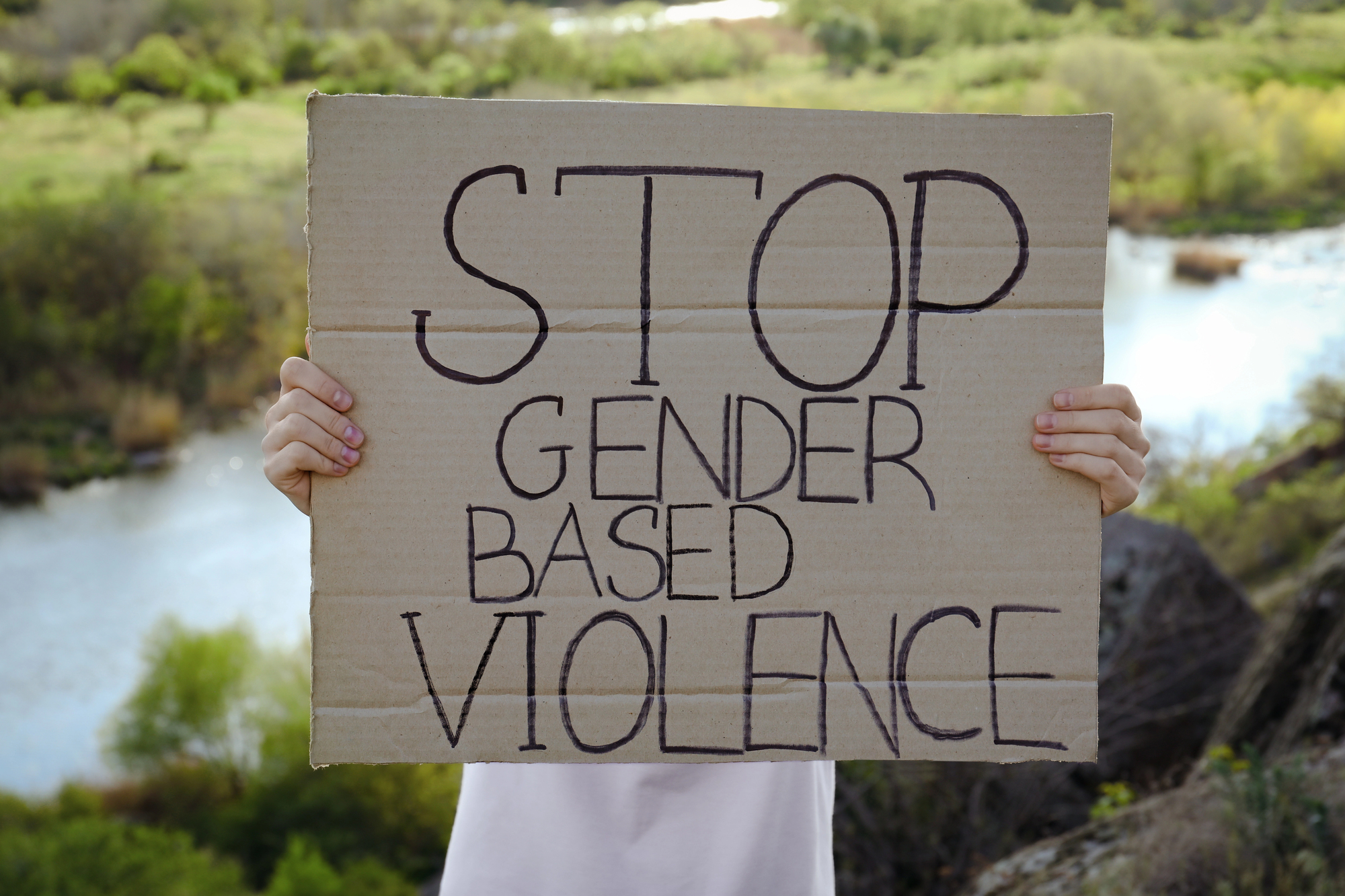
Police Chief Themistos Arnaoutis said on Monday that 18,409 cases of violence against women had been reported from 2021 to June 2026. He was speaking at the House human rights committee, which was discussing the issue after a policeman last week shot his wife, who remains in critical condition, and then killed himself. A few days before this murder attempt, a 38-year-old woman and her 58-year-old mother were seriously injured by the younger woman’s ex-husband. Between 2020 and 2025 there have been 17 cases of femicide in Cyprus, according to the police.
The complaints of violence against women had led to 3,674 arrests, 2,858 restriction orders and 373 victim protection orders, said Arnaoutis. It would also have been very interesting to know how many of these 18,409 cases reported resulted in a jail sentence. That there had been 3,674 arrests says very little about the way police have dealt with violence against women. How many men have been charged since 2021 and how many have ended up behind bars for violence against a woman? These stats would have been a better indicator of how the authorities were dealing with the problem.
The authorities have taken steps over the years to tackle the problem. For instance, a body for the prevention and combating of violence against women was set up at the justice ministry and some 200 public servants have undergone special training; some 100 police officers will undergo this training soon. This body has been working on raising public awareness with regard to gender-based violence as well as strengthening available support services for victims and operating a 24-hour helpline.
In 2024 an app was introduced enabling a victim to alert the authorities without the offender being made aware. The amendment of the law in 2024 making the victims of gender-based violence eligible for legal aid was also an important step forward as it gave all women access to justice that some could not afford.
There are other organisations offering support, counseling and shelter to the victims of gender-based violence, three quarters of which is domestic. The Association for the Prevention and Handling of Violence in the Family (Spavo) currently operates 17 services and programmes while almost 6,000 calls were received by the 1440 helpline in 2025.
The work done by all the support organisations is commendable but is the state doing enough to fight gender-based violence? What sentences are judges imposing on wife-beaters? How many men are actually charged for violence in a court and how many receive a custodial sentence? Admittedly, a victim might be afraid to take the witness stand, but is she given adequate support to do so by the police? Are the police showing some sensitivity to female victims of violence? This was not always the case.
While support groups are important, it is the police and the courts that have the biggest role to play in reducing violence against women.





Click here to change your cookie preferences