
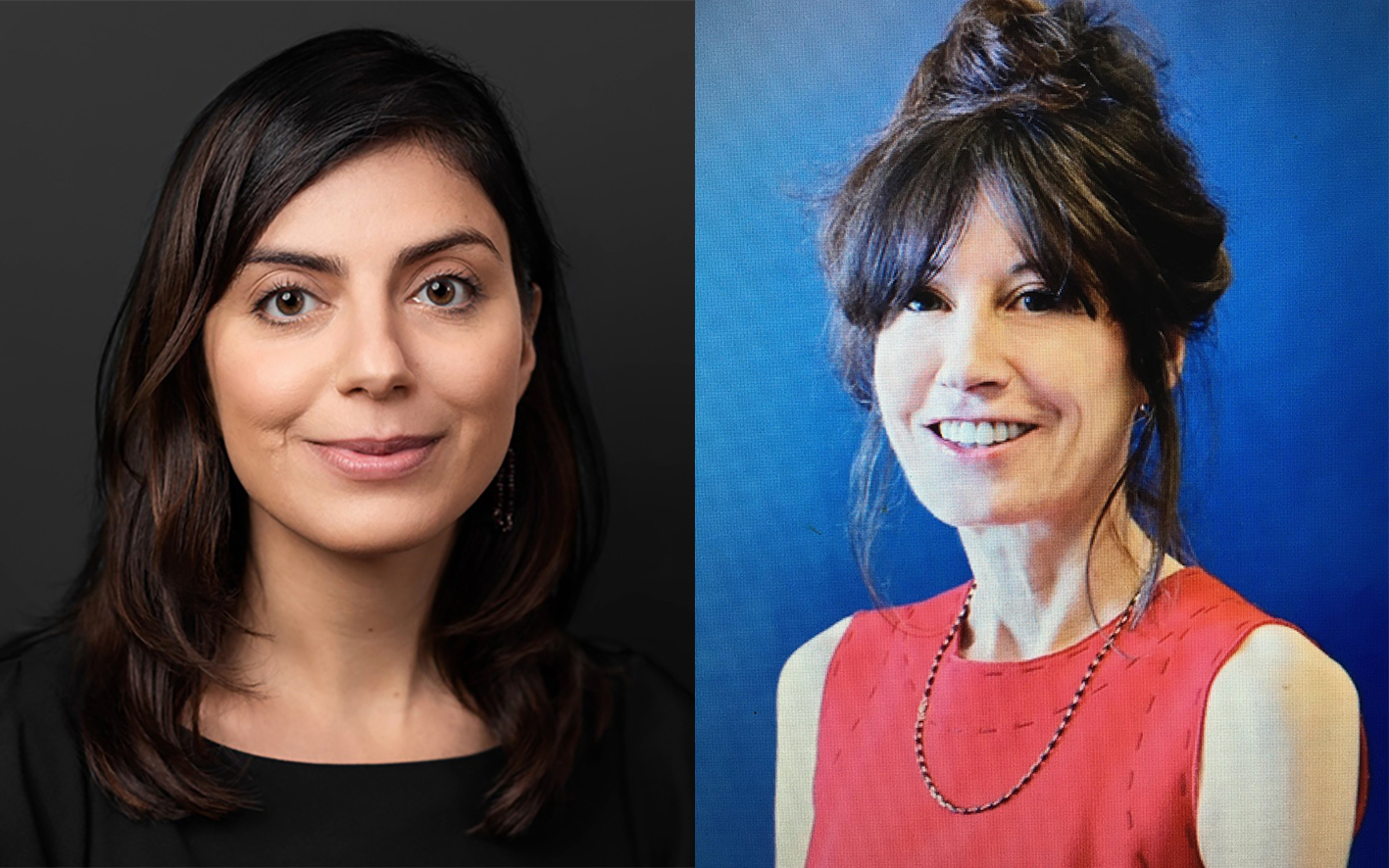
Speaking to state television on Monday, Leto Cariolou, the lawyer of Makarios Drousiotis, author of Mafia State, slammed the decision to hand over to the council of ministers and police all the documentation of the investigation into the allegations contained in the book. She said this decision, of the legal council, which was handling the case after the recusal of the attorney-general and his deputy, “constitutes an institutional collapse,” because it offered no protection to the people that gave testimony to the investigative committee.
Cariolou said the police were involved, explaining that “in several chapters of the investigation we had serious problems with the actions of the police.” As for the council of ministers, President Nikos Christodoulides had served in the Anastasiades cabinet, had given testimony to the investigative committee and had publicly said he had met the late banker Andreas Vgenopoulos. He should have recused himself, like the AG had done, instead of having access to all the investigation material, including witness testimonies and minutes, she argued.
“The witnesses testified only after being given clear assurances from the inspecting officers that the procedure would remain absolutely confidential,” she said. By giving all the documentation to police and the cabinet, “witnesses and testimony were exposed irreparably to possible dangers,” when in fact witness testimony should have been protected, she added.
This raises a serious question. How did Cariolou know what process was followed by the anti-corruption authority other than for her client Drousiotis? How did she know that inspecting officers gave “clear assurances” to people questioned that the procedure would remain “absolutely confidential.” Was she communicating with the president of anti-corruption authority Haris Poyadjis or any other member of the investigative committee?
Meanwhile, a report on Sigmalive on Monday said that Cariolou had worked as a legal officer for the United Nations’ international residual mechanism for criminal tribunals. In this capacity, she had worked on international criminal cases including the war crimes trials of Bosnian Serb officer Ratko Mladic and former Republica Srpska president Radovan Karadzic. The website also reported that the Australian lawyer, Gabrielle McIntyre, who headed the investigative committee for Mafia State, served as head legal counsel at the international criminal tribunal for the former Yugoslavia, and of the international residual mechanism for criminal tribunals.
Could Cariolou and McIntrye have had any professional interaction when working at the international crimes’ tribunal? What was the process followed by the Anti-Corruption Authority for McIntyre’s appointment? Were there other candidates for the job or had she been recommended by someone? These are questions that only the head of the Authority and Transparency Commissioner Poyadjis could answer.
Poyadjis has not shown a great commitment to transparency in this instance. He never informed anyone that from May 2025, McIntyre would be working part-time on the investigation, during her free time and without pay, because she had been appointed director of the secretariat of the assembly of states parties to the Rome Statute, the treaty which established the International Criminal Court.
We are certain the Transparency Commissioner will shed some light on this soon.





Click here to change your cookie preferences