
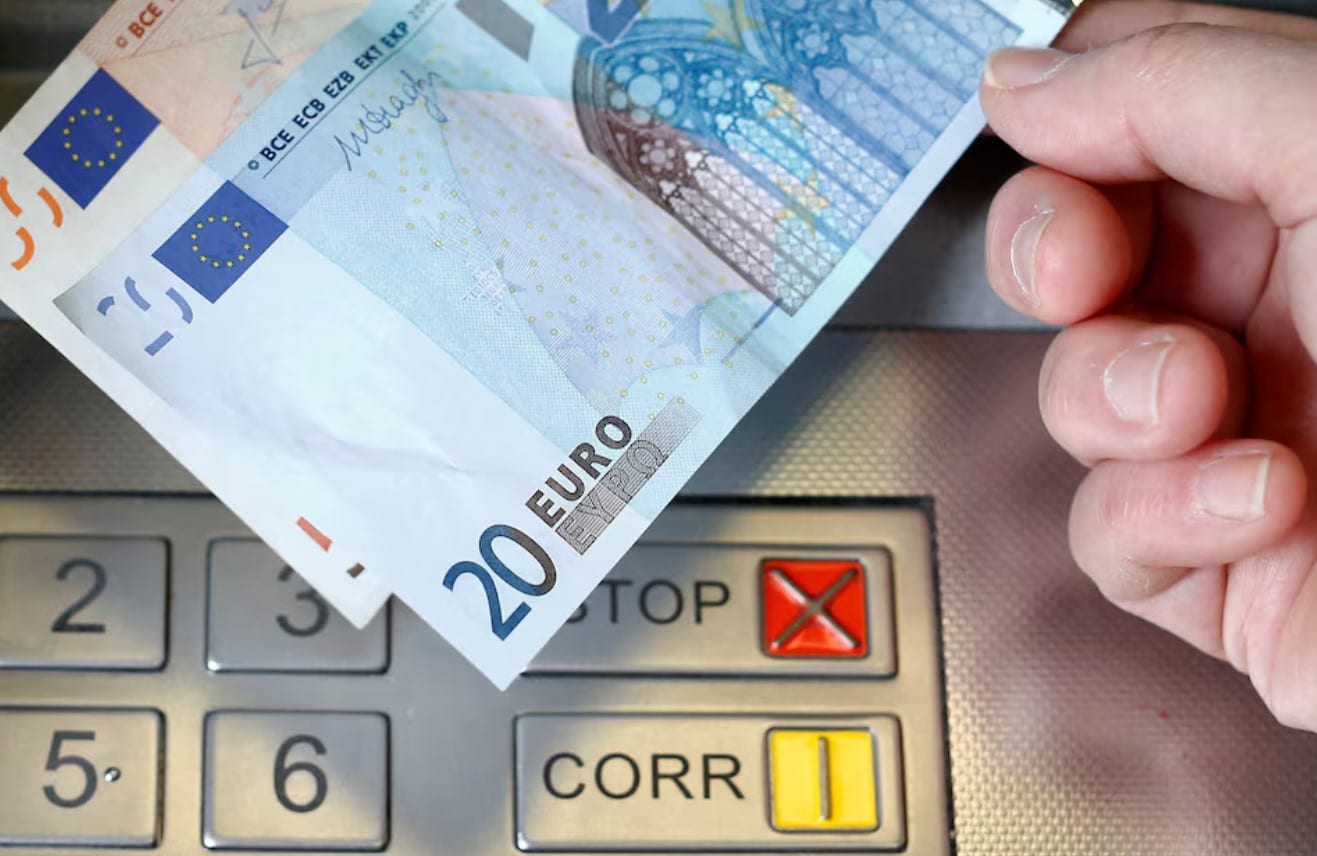
Cyprus embraces cashless payments as card use reaches new high
Cypriots continued shifting towards digital payments during the second half of 2025, with the country recording the highest share of card payments in the euro area, according to a report published by the Central Bank of Cyprus (CBC) on Wednesday.
The report found that the total volume of non-cash payments in Cyprus rose by 8 per cent year on year to 174 million transactions during the second half of 2025, while the total value increased by 9 per cent to €148 billion.
Across the euro area, the number of non-cash payments also increased by 7 per cent to 83 billion transactions, although the total value remained broadly unchanged at €118 trillion.
“Cypriots continue to shift towards digital payment methods, with non-cash payment transactions increasing in both volume and value during the second half of 2025,” the CBC said.
The central bank described the payments market as “the engine of the economy”, explaining that it is shaped by a range of payment methods serving the different needs of consumers and businesses.
The report is based on data collected from all Cyprus-resident payment service providers, including credit institutions, payment institutions and electronic money institutions, and examines payment volumes, values and broader developments in the country’s payments ecosystem.
Card payments remained the dominant payment method by volume, accounting for 75 per cent of all non-cash transactions in Cyprus, almost five times the volume of credit transfers, which represented 16 per cent.
The CBC said Cyprus recorded the highest share of card payments as a proportion of total non-cash transactions anywhere in the euro area during the second half of 2025.
It attributed this trend to the convenience and speed of card payments, together with the widespread adoption of contactless technology, continued expansion of e-commerce and growing merchant acceptance of electronic payments.
In the euro area, card payments also remained the most common payment instrument but accounted for a smaller 57 per cent share of total non-cash transaction volumes, while credit transfers represented 21 per cent.
The report also highlighted the growing importance of online shopping.
“Online card payments in Cyprus were associated with significantly higher average transaction values than card payments at physical points of sale,” the CBC said.
It added that the average value of online card transactions was among the highest in the euro area, underlining the increasing role of e-commerce in consumer spending.
Although cards dominated transaction numbers, credit transfers remained by far the largest payment method by value, accounting for 84 per cent of the total value of non-cash payments in Cyprus.
The average value of a credit transfer reached €4,500, reflecting their continued use for larger transactions, particularly by businesses seeking secure and efficient payment methods.
Cheques remained the second most important payment instrument by value, despite their long-term decline.
The report said cheques represented 6 per cent of the total value of non-cash payments, with an average transaction value of €4,000.
“Despite their continued decline, cheques remained the second most important payment instrument in value terms,” the CBC said.
The central bank explained that cheques continue to play a role in business-to-business and property transactions, reflecting established commercial practices that still favour traditional payment methods in certain sectors.
By comparison, cheques accounted for less than 1 per cent of the total value of non-cash payments across the euro area, where the average cheque value stood at €1,200, around three times lower than in Cyprus.
The report found that credit transfers and direct debits recorded stronger growth in Cyprus than in the euro area, suggesting that both consumers and businesses are increasingly incorporating these payment methods into their day-to-day financial activity.
Meanwhile, growth in card payments and electronic money payments broadly matched the euro area average.
The volume of cheque transactions continued to decline at a similar pace in both Cyprus and the euro area, although their total value fell less sharply in Cyprus, indicating that they are increasingly reserved for higher-value transactions.
Domestic payments continued to dominate the market, accounting for around 70 per cent of both the total volume and value of non-cash transactions.
However, card payments showed the strongest international dimension, with cross-border transactions accounting for 45 per cent of total card payment volumes and 56 per cent of their total value.
The CBC said Lithuania recorded the highest level of cross-border card payment activity based on the location of payment service providers, while Ireland ranked first when transactions were measured by merchant location, reflecting the concentration of fintech and payment companies in those countries.
The report also pointed to rapid growth in instant payments following the implementation of the EU Instant Payments Regulation.
The use of SEPA Instant Credit Transfers (SCT Inst) has expanded significantly over the past three years, with Cyprus moving from less than 1 per cent of all SEPA credit transfers to almost 32 per cent by volume.
By value, instant payments increased from less than 1 per cent to around 9 per cent of total SEPA credit transfer values.
“Growth was more pronounced in Cyprus, enabling it to not only close the gap with, but also surpass the euro area average following the implementation of the Instant Payments Regulation,” the CBC said.
The average instant payment transaction amounted to €1,500, almost four times lower than the average traditional SEPA credit transfer of €5,500, indicating that instant payments are currently used mainly for lower-value transactions.
The central bank expects instant payments to become even more widespread through regulatory initiatives, new services such as SEPA Request-to-Pay, and broader Eurosystem efforts to improve cross-border payments.
The report also found that Cyprus remains one of Europe’s leaders in contactless payment infrastructure, with more than 73 per cent of domestic ATMs supporting contactless transactions, well above the 38 per cent euro area average.
At the same time, ATM cash withdrawals continued to decline in number, although the average amount withdrawn reached a record high, while over-the-counter cash withdrawals continued to decrease as consumers increasingly opted for automated and lower-cost banking channels.
Looking ahead, the CBC said the payments sector will continue evolving through technological innovation, including the proposed digital euro, which the Eurosystem is preparing to introduce by 2029, subject to the necessary legislation being adopted in 2026.
The report also highlighted the European Payments Initiative (EPI) and its Wero digital wallet as key projects aimed at creating a pan-European payment solution and reducing Europe’s reliance on payment providers headquartered outside the region.
Despite the rapid expansion of digital payments, the central bank warned that the transition also presents challenges.
The report said older people and those living in remote areas may face difficulties accessing digital payment services, while the growth in electronic transactions has been accompanied by a rise in payment fraud.
The CBC added that strengthening digital literacy and consumer awareness would be essential, with the Cyprus Financial Literacy and Education Committee (CyFLEC) expected to intensify its efforts in promoting digital financial education.
“Ensuring that innovation is accompanied by security, financial inclusion and consumer trust will remain essential for the sustainable development of the payments ecosystem,” the CBC said.
The central bank concluded that Cyprus compares favourably with the euro area across several aspects of the payments landscape, including card usage, contactless infrastructure and the adoption of instant payments, while maintaining distinctive characteristics such as the continued use of cheques in certain business and real estate transactions.





Click here to change your cookie preferences