
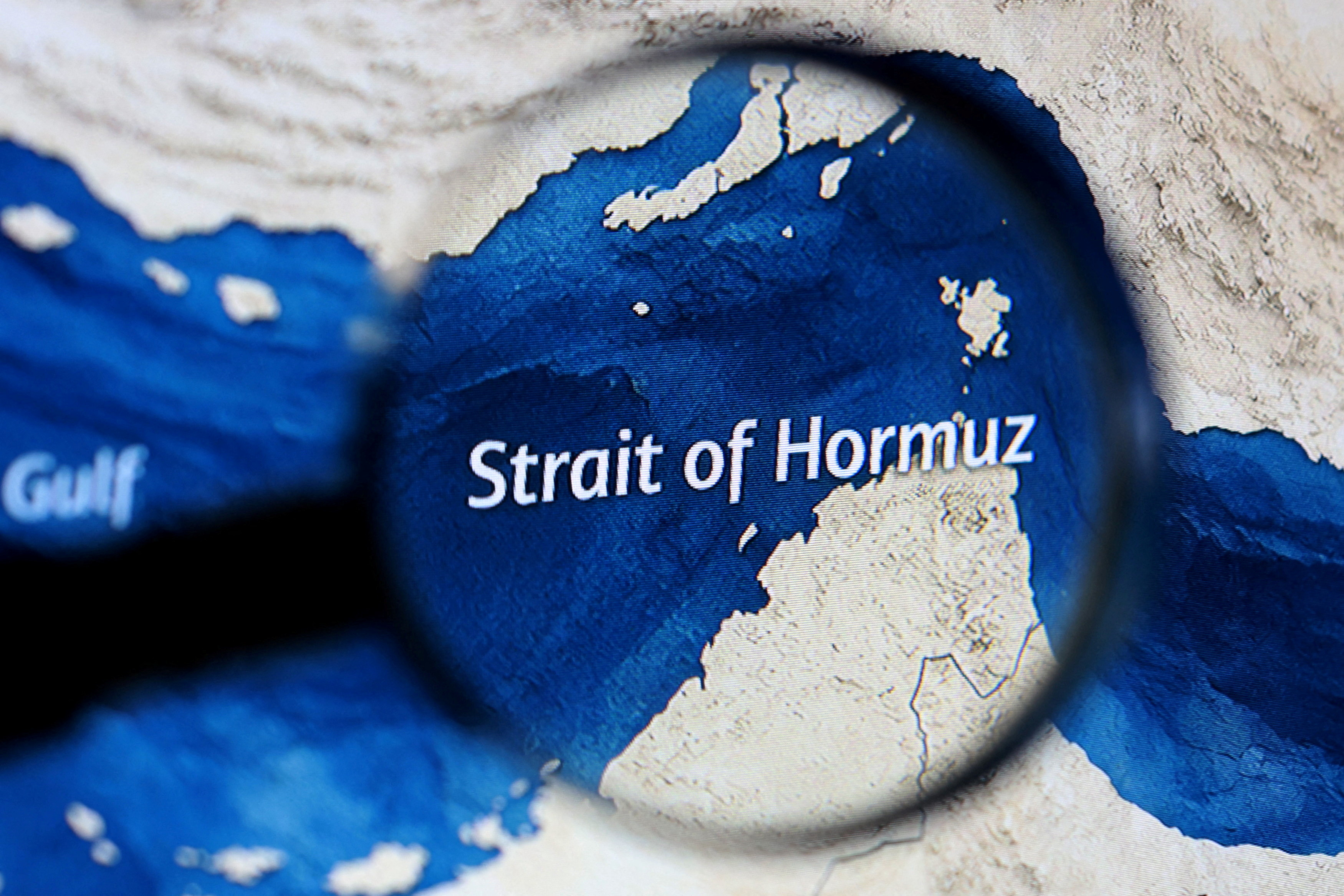
Eight leading maritime associations, including the International Chamber of Shipping headed by Cypriot secretary-general Thomas Kazakos, have urged the United Nations and the International Maritime Organisation (IMO) to prevent the introduction of compulsory tolls or service fees in the Strait of Hormuz.
The joint open letter was sent on Monday to UN Secretary-General Antonio Guterres and IMO Secretary-General Arsenio Dominguez, reiterating the shipping industry’s concerns over proposals to charge vessels for using one of the world’s most important international waterways.
The letter was co-signed by the Asian Shipowners’ Association, BIMCO, Cruise Lines International Association, European Shipowners | ECSA, Intercargo, Intertanko, the International Chamber of Shipping and the World Shipping Council.
Opening with the danger faced by crews since the beginning of the conflict, the associations said seafarers have been operating under heightened uncertainty, with some sustaining injuries and others losing their lives while carrying out their work at sea.
“The safety of seafarers who make global trade possible should be non-negotiable,” they said, adding that “So too must be freedom of navigation.”
The ability of merchant ships to navigate international waterways safely, predictably and without unnecessary impediment is fundamental to resilient supply chains, economic stability and energy security, the letter added.
Consequently, the associations warned that introducing compulsory transit charges, or “service fees that are a toll in all but name”, would represent a significant departure from established international practice.
Beyond the immediate financial implications for global trade, such charges could create a precedent capable of undermining the internationally recognised legal framework governing straits used for international navigation and transit passage.
“Once such a precedent is established, it becomes increasingly difficult to resist similar measures elsewhere, creating uncertainty for international shipping and global commerce,” the associations said.
Moreover, the consequences would not be confined to shipowners or maritime operators. “Any additional costs imposed on maritime transport inevitably flow through international supply chains,” they explained.
According to the letter, those costs would contribute to higher energy prices, higher inflation and greater economic uncertainty, eventually affecting households and businesses far beyond the shipping industry.
“Ultimately, these impacts will carry a human cost, affecting livelihoods around the world,” the signatories said, stressing that freedom of navigation must remain the foundation of international maritime governance.
At the same time, the associations urged policymakers to ensure that internationally recognised navigation rights are neither compromised nor used as part of broader political negotiations while discussions on regional security and conflict resolution continue.
They also offered to work with the IMO and the wider United Nations to protect the long-established legal principles governing international straits, most notably those contained in the United Nations Convention on the Law of the Sea (UCLOS).
The letter was signed by Asian Shipowners’ Association chairman Eleanor Keukura Roi, BIMCO secretary-general and chief executive David Loosley, CLIA president and chief executive Bud Darr and ECSA secretary-general Sotiris Raptis.
It was also signed by ICS secretary-general Thomas Kazakos, Intercargo director and secretary-general Kostas Gkonis, INTERTANKO managing director Tim Wilkins and World Shipping Council president and chief executive Joe Kramek.
Together, the eight associations called on the UN and IMO to ensure that the legal principles protecting international navigation through the Strait of Hormuz are “not weakened or altered”.




Click here to change your cookie preferences