
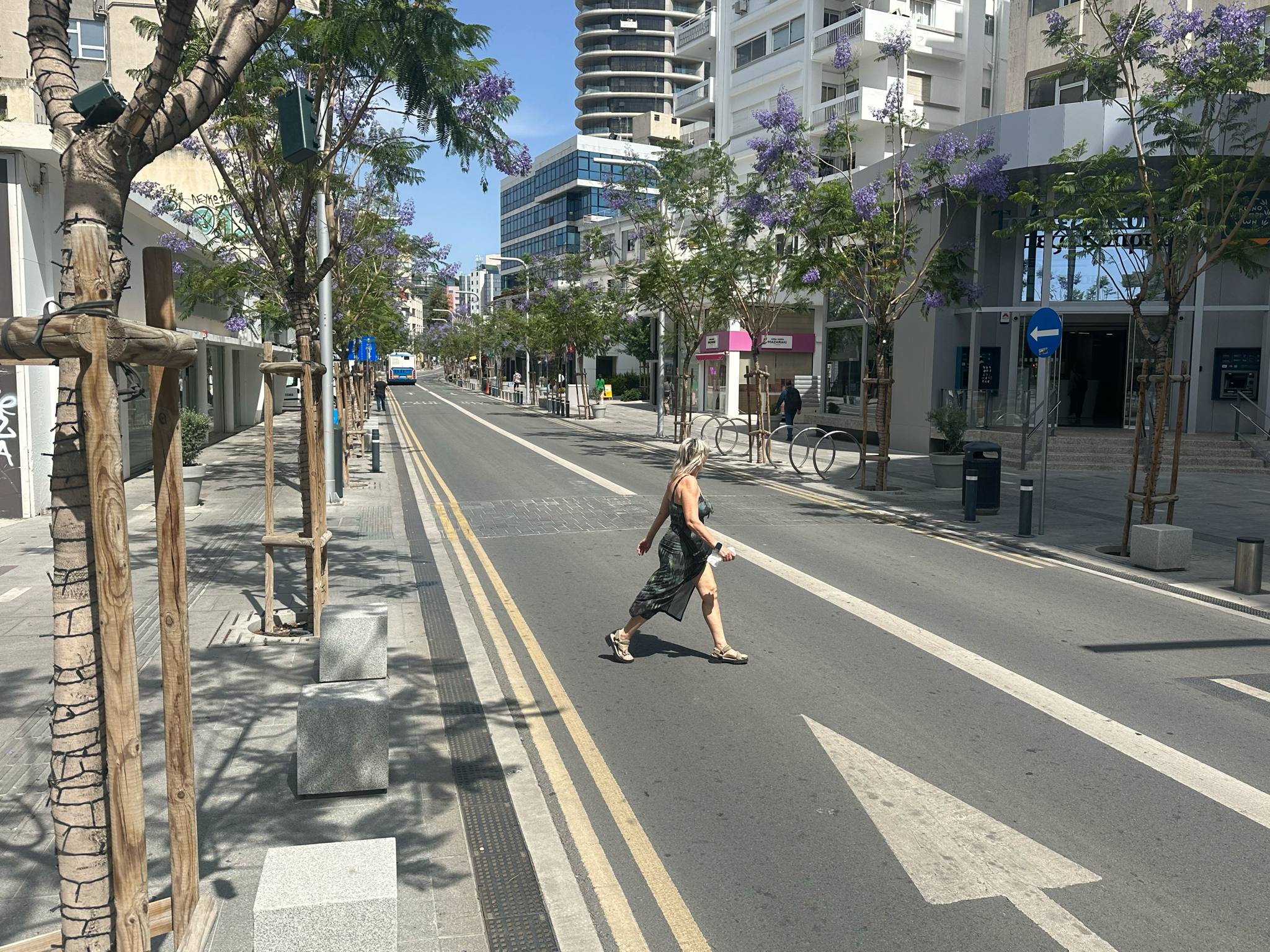
It is “a disservice to the residents and shopkeepers on Makarios avenue to promote the narrative that closing the area to traffic is the main issue at hand”, Nicosia Mayor Charalambos Prountzos told the Cyprus Mail on Friday.
Prountzos confirmed the transport ministry had insisted that any alteration to Makarios avenue must first ensure there is no risk of funding being reclaimed by the European Commission, which co-financed the scheme.
The ministry has since decided not to fund a study requested by the Nicosia municipality to support proposed changes put forward by a joint platform of shopkeepers seeking to reopen the avenue to traffic, formally informing the municipality in writing that it will not cover the cost.
Prountzos has repeatedly stressed that the council’s decision should be implemented only if there is no risk of having to return European funds, describing this as the fundamental issue currently being examined.
“There is a decision by the city council, which we are trying to implement without the risk of the taxpayer having to pay back the funding provided for the project, and that is where we are now,” he said.
Prountzos argued that the debate surrounding the mooted avenue needed to move beyond the question of traffic access altogether.
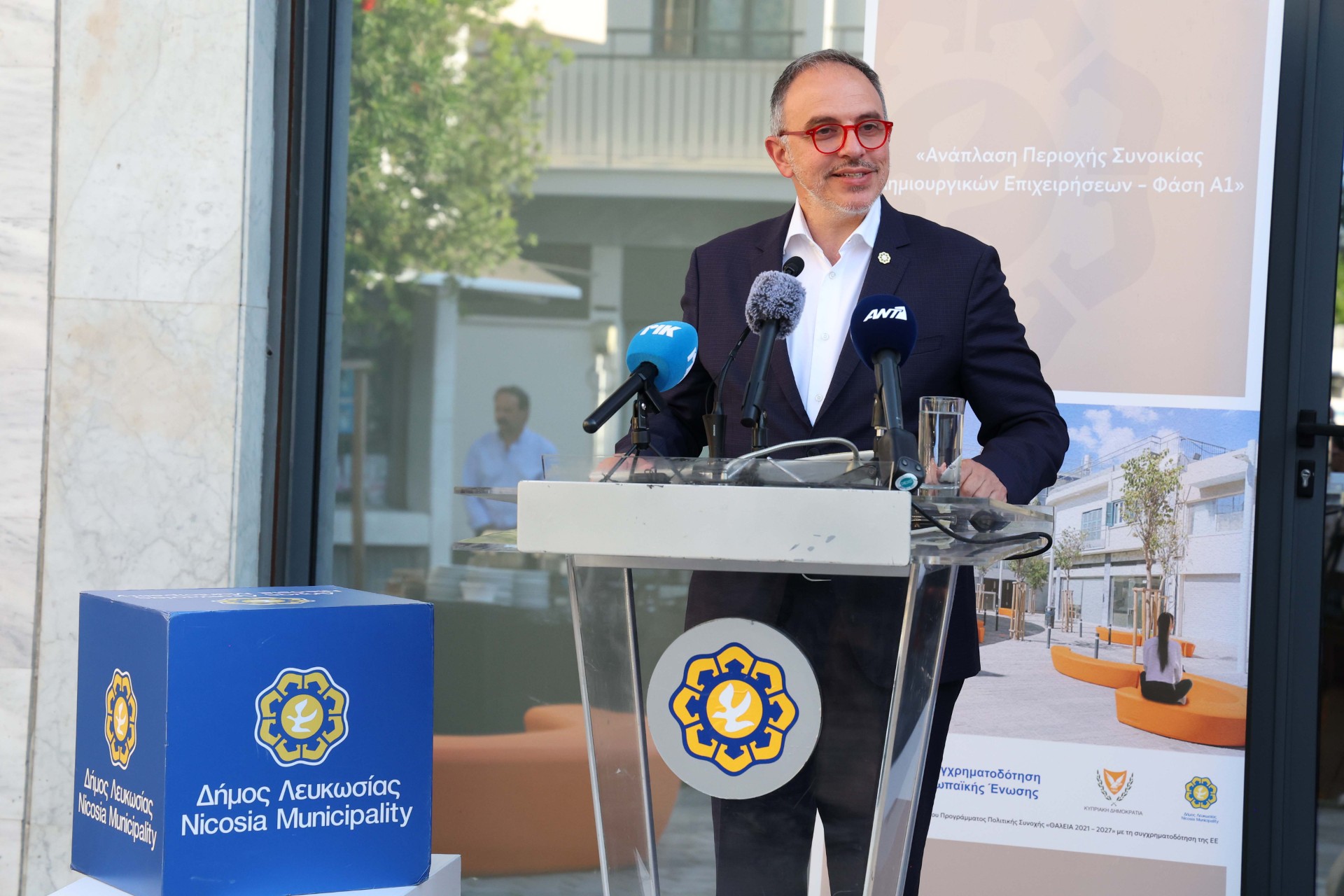
“We cannot look back to the 1990s regarding the high street, there are shopping malls, there is online shopping, we live in an entirely different reality now,” he said.
He relayed that market analysis conducted by both the academy of urbanism and the technical chamber (Etek) had pointed to two main pillars needed to attract businesses and customers back to the avenue, namely “the authenticity of shops and affordability of rents”.
To address the second of those pillars, Prountzos said the municipality intended to propose a tax on idle shops held by landlords demanding exorbitant rents, with the measure expected to be brought forward next month.
He also confirmed that Leonardo Hotels is to establish itself on Makarios avenue, a development he pointed to as a sign of renewed commercial interest in the area.
Prountzos acknowledged shortcomings in how the original redevelopment plan had been carried out.
“The plan for Makarios avenue was indeed a noble one but required a twofold step, that being the state to double down on public transport and cycling lanes, which they have admittedly failed to do,” he said.
Of 106 ground floor premises recorded along the avenue, 70 remain occupied, 36 are vacant, with only 16 of those vacant properties currently on the market for rent.
The figures differ considerably from claims that two out of every three shops on Makarios avenue remain empty, as argued by the joint platform, which renewed its call this week for the avenue to be reopened to cars and for the restoration of two-way traffic along its southern section.
The platform has decried the closure of the avenue as well as Leventis street for having dislocated the commercial centre from the historic old walls.
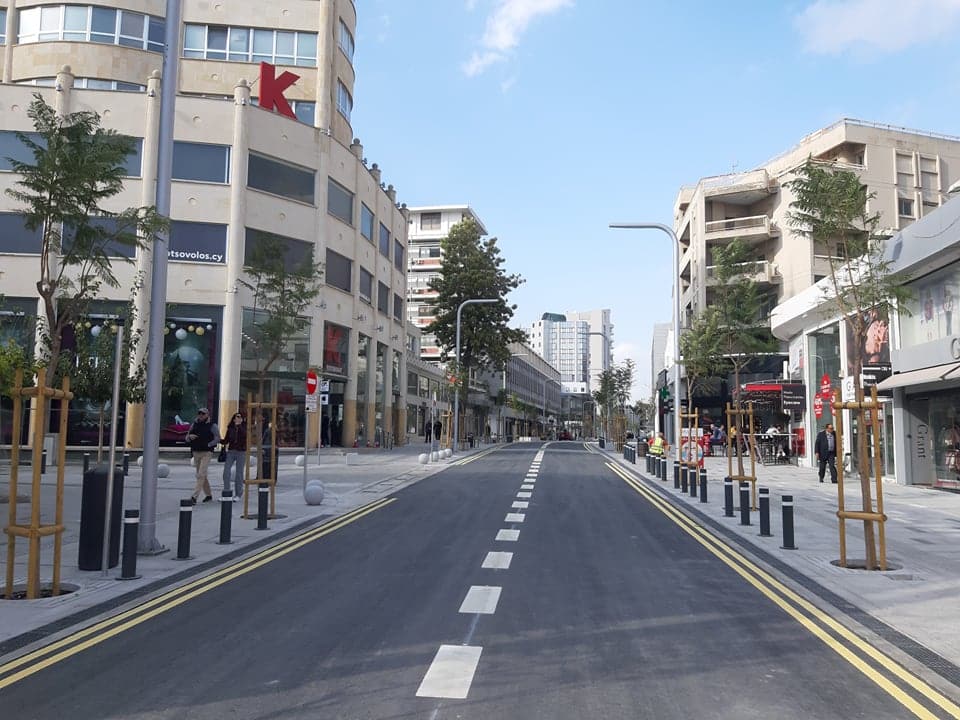
The dispute rests at its core on the €20 million redevelopment of the avenue, which received European funding under a sustainable urban programme intended to restrict private traffic and encourage public transport and cycling.
The municipal council voted last year to allow private vehicles onto the avenue on weekdays between 7am and 9pm, with access restricted outside those hours to buses, taxis, residents and employees, a decision that still requires approval from the police chief before it can take effect.
Under the funding agreement, the project must be evaluated over a five-year period to determine whether it achieved its approved objectives, with the assessment period beginning not from the date the project became operational but from the final disbursement of EU funds.
Since the last payment was made only recently, approximately four years remain before the evaluation period concludes.





Click here to change your cookie preferences