
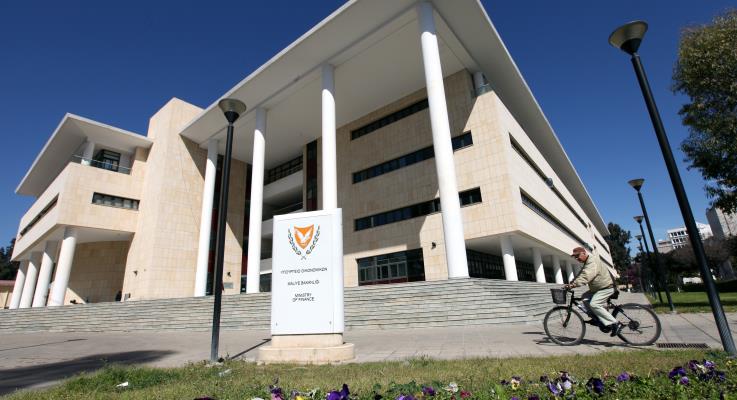
The finance ministry has not said very much about the rising inflation rate for July that was announced by Cystat on Wednesday. The finance ministry tends to issue announcements only when news on the economy is positive. An upgrade of the credit rating by a ratings agency, for example, immediately inspires self-congratulatory announcements by the minister and the president, but this policy is rarely followed when the news is not so good.
We have therefore not heard anything about the Harmonised Index of Consumer Prices (HICP) rise to 4.4 per cent in July 2026. Cyprus now has the third highest inflation rate in the EU, the average of which was 3 per cent; in the euro area it was 2.9 per cent. This should concern the government because once prices are on an upward path it could be difficult to bring them under control, without unpopular measures.
Ironically, political parties and consumer groups have been publicly protesting high prices for quite some time now and the government has taken some measures – scrapping VAT on some basic consumption items and subsidising electricity bills by a few euro – to appease them. This has not stopped the complaints about the constantly rising cost of living, which has been confirmed by the latest figures released by Cystat.
Prices at restaurants and hotels were up 12 per cent in July compared to July 2025 and up 5.5 per cent compared to June this year. The category housing, water, electricity, natural gas and other fuels was up 7 per cent on July last year; energy was up 10 per cent compared to the previous year, while food was up 4.5 per cent. Public complaints are justified to an extent, although there is little the government can do apart from cutting public spending – which it would never do – to bring prices under control.
What should be of big concern is the effect the rising rate of inflation would have on the public sector payroll via the Cost-of-Living Allowance for 2027. If the rate of inflation for the year stays at between 4 and 5 per cent it would push up the public sector wages markedly next year despite the government pledge to keep the payroll under control. The government might have to consider making cuts to its 2027 spending budget, something it would be reluctant to do in an election campaign year. If does not, the rising prices might not be brought under control.
It would be interesting to hear what the finance ministry plans to do about inflation rate in the next few months, considering there is a possibility that oil prices will continue to increase because of the war in Iran.





Click here to change your cookie preferences