
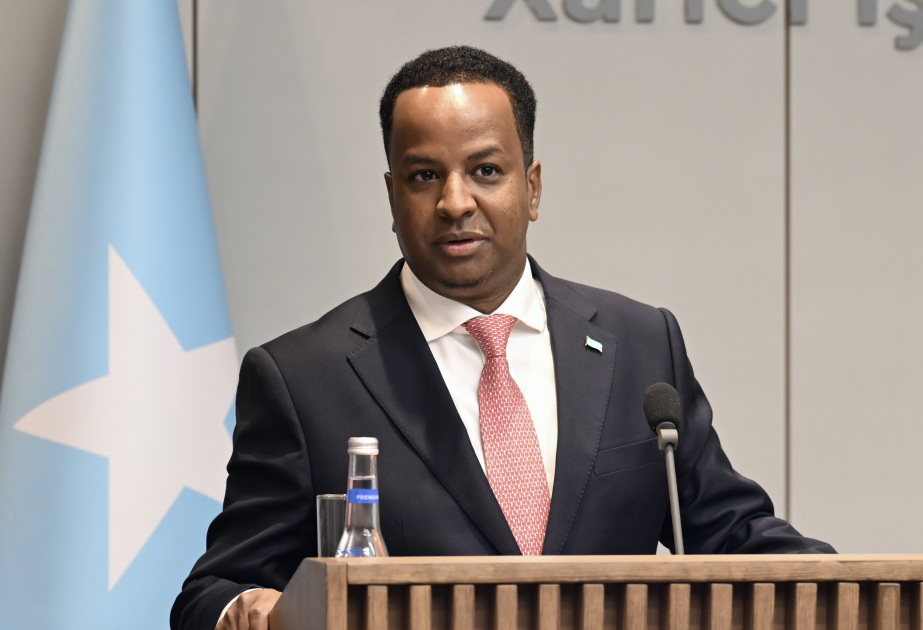
Somalia’s foreign ministry on Friday denied having recognised northern Cyprus as an independent country, following the publication of a now deleted social media post by the country’s new Parliament Speaker Abdulkadir Mohamed Nur earlier this week thanking the north’s ‘parliament speaker’ Ziya Ozturkler for congratulating him on taking the role.
“The Federal Republic of Somalia wishes to clarify, following recent references in public discussion, that its position on the Cyprus issue remains unchanged and continues to be guided by the charter of the United Nations and thee relevant resolutions of the United Nations security council,” it said.
It added that it “reaffirms its full respect for the sovereignty, independence, unity, and territorial integrity of the Republic of Cyprus, in accordance with international law”.
On the matter of Nur’s social media post, it said that “the referenced personal communication does not reflect, and shall not be interpreted as any change in the foreign policy of the Federal Republic of Somalia”.
“It does not constitute recognition of any separate entity in the northern part of Cyprus, and no decision has been taken by the federal government to alter its established position,” it said.
It added that it “reaffirms its consistent support for a peaceful, negotiated, and lasting settlement of the Cyprus issue under the auspices of the United Nations, in accordance with international law and the relevant resolutions of the security council”.
“Somalia remains committed to the principles of the United Nations charter and to the peaceful resolution of disputes,” it said.
Nur was elected as Somalia’s parliament speaker on August 10, having previously served as the country’s ports minister, defence minister, and justice minister.
He had written in the now deleted social media post that he wished to “extend by sincere thanks to his excellency Dr Ziya Ozturkler, speaker of the assembly of the Turkish Republic of Northern Cyprus, for his kind congratulations on my election”.
“I deeply appreciate this thoughtful gesture,” he added.
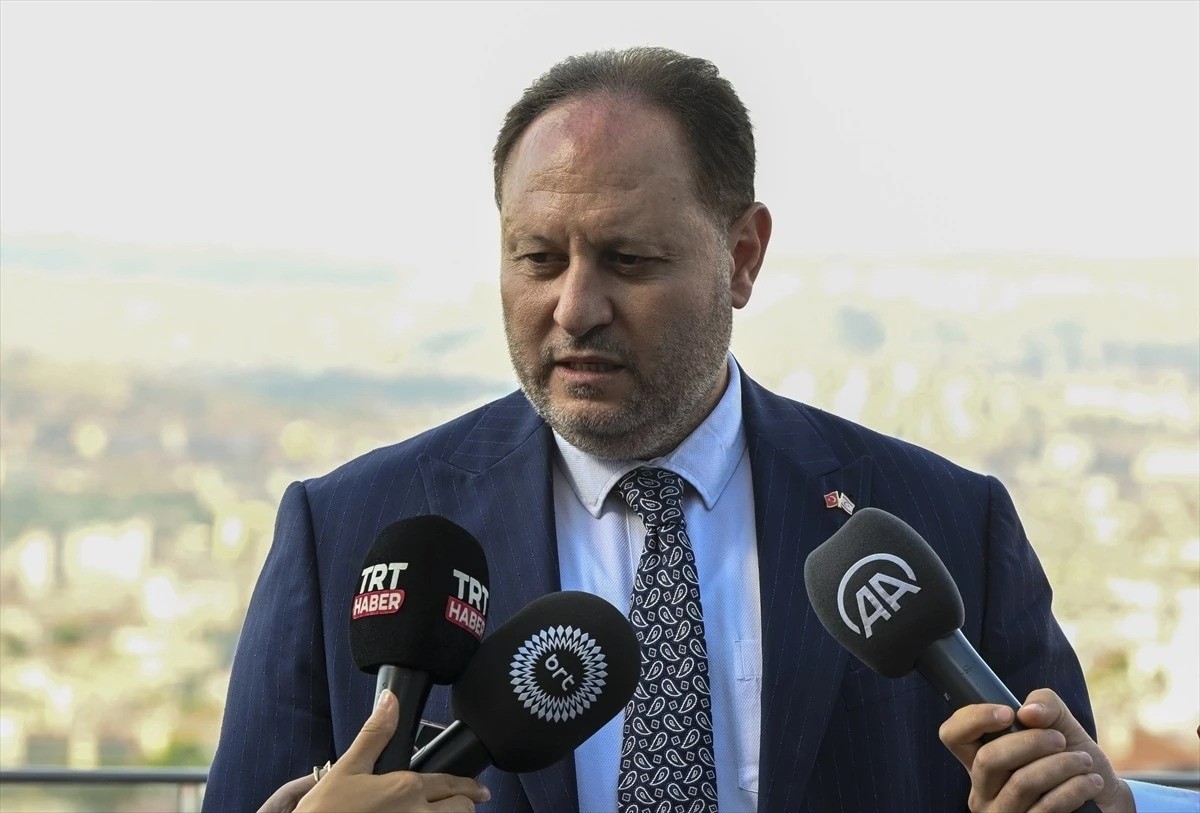
Somalia has long had political ties to Turkey, with Nur having said on Friday that “over the past 15 years, the relationship between Somalia and Turkey, which began with humanitarian aid in 2011, is today undergoing strategic projects, a relationship built on brotherhood, mutual respect, and shared interest”.
“Cooperation is prominent in the areas of security, education, health, development, economic infrastructure, and humanitarian aid,” he added.
Last month, Turkey’s parliament approved a bill submitted by President Recep Tayyip Erdogan to extend the permanent presence of Turkish troops in Somalia until July 2028.
According to Turkish public broadcaster TRT, those troops will “continue supporting [Somalia] in combating terrorism, piracy, and other threats”, while the Somali government had “sought continued Turkish military assistance under a defence and cooperation framework agreement”.
With Somalia being largely aligned with Turkey in this sense, regional rival Israel took the decision in December last year to recognise the otherwise internationally unrecognised ‘Republic of Somaliland’, which administers the northern third of what is otherwise internationally considered to be the territory of the Federal Republic of Somalia.
Following Israel’s decision to recognise the ‘Republic of Somaliland’s’ independence, the country’s Foreign Minister Gideon Sa’ar visited its capital, Hargeisa, in January, and pushed back on international criticism of his country’s decision, saying that “only Israel will determine for itself who it recognises”.
No country followed Israel in recognising Somaliland, with the European external action service – the European Union’s equivalent to a foreign ministry – saying that it “reaffirms the importance of respecting the unity, the sovereignty, and the territorial integrity of the Federal Republic of Somalia”.
“This is key for the peace and stability of the entire Horn of Africa region. The EU encourages meaningful dialogue between Somaliland and the federal government of Somalia to resolve longstanding differences,” it said.




Click here to change your cookie preferences