
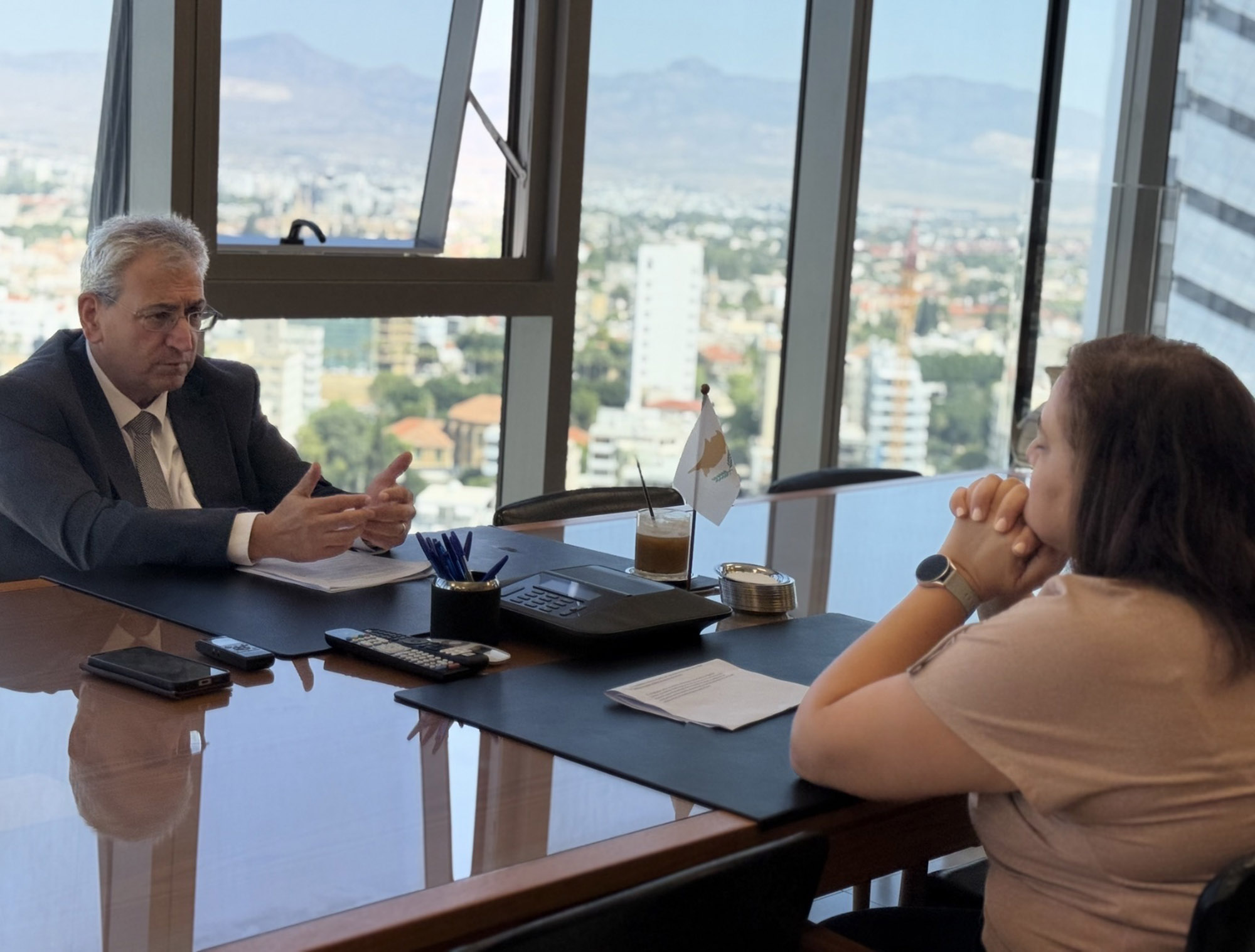
Sixty per cent of planned pension increases could be implemented within the first two years of the government’s pension reform, Labour Minister Marinos Mousiouttas said in an interview published by the Cyprus News Agency on Thursday.
Under the most ambitious scenario currently being considered, 30 per cent of the planned increase would be introduced in the first year and a further 30 per cent in the second. Another 10 per cent would follow in each of the third and fourth years, with the remaining 20 per cent implemented in the fifth.
Mousiouttas said the scenario was still under consideration, while the possibility of shortening the overall implementation period was also being examined.
The minister said it was not possible to introduce the full increase in the first year, as the sustainability of the social insurance fund and the impact on economic indicators had to be taken into account.
Additional demands on the fund, he explained, would have wider consequences for the economy.
The gradual implementation would apply to pension increases and not to the “small cheque” benefit for low-income pensioners, which would be paid immediately to those eligible.
Mousiouttas said discussions on the bill concerning the “small cheque” would continue on Friday with a meeting of the technical committee, followed by a meeting of the Labour Advisory Body.
Once the social partners finalise their positions, substantive talks can begin. Mousiouttas said this should happen within about ten days at the latest, with the aim of reaching an agreement by mid-October.
The government, he said, was open to suggestions, provided they did not alter the substance of the reform or place the social insurance fund at risk.
The first bill related to the reforms is expected to be submitted to parliament in September.
Turning to the number of beneficiaries, Mousiouttas said around 50,000 pensioners were expected to receive increases of more than €100 per month, while up to 8,000 low-income pensioners could see increases of more than €200.
The pension reforms, he said, would mostly benefit low-income pensioners, as they placed more weight on the basic pension and the years worked.
As pensions increase, the need for the “small cheque” would diminish, but Mousiouttas stressed that no pensioner would receive less than they do at present.
Changes are also planned for the housewife’s pension, with beneficiaries set to join the social insurance fund over the next five years. Increases would be calculated using a formula similar to that applied to low-income pensioners.
Other benefits would continue to be paid, including those for parents unable to work because they are caring for children and people with disabilities who are unable to work.
The fund, he added, would be strengthened by new contributions from people who had never had a social insurance account and depend on income from rents or other sources.
Mousiouttas said the government aspired to set up the new investment fund for social insurance by January 1, 2028, which would receive overdue instalments by the state for contributions amounting to €12 million plus interest, as well as future surpluses.
The finance ministry, he said, was preparing to assign a study for the fund to a specialised international agency.
Mousiouttas said the reforms would ensure the sustainability of the social insurance fund for the next 40 years.
Furthermore, he said incentives would be given for people to remain in employment, thus limiting early retirement.




Click here to change your cookie preferences