
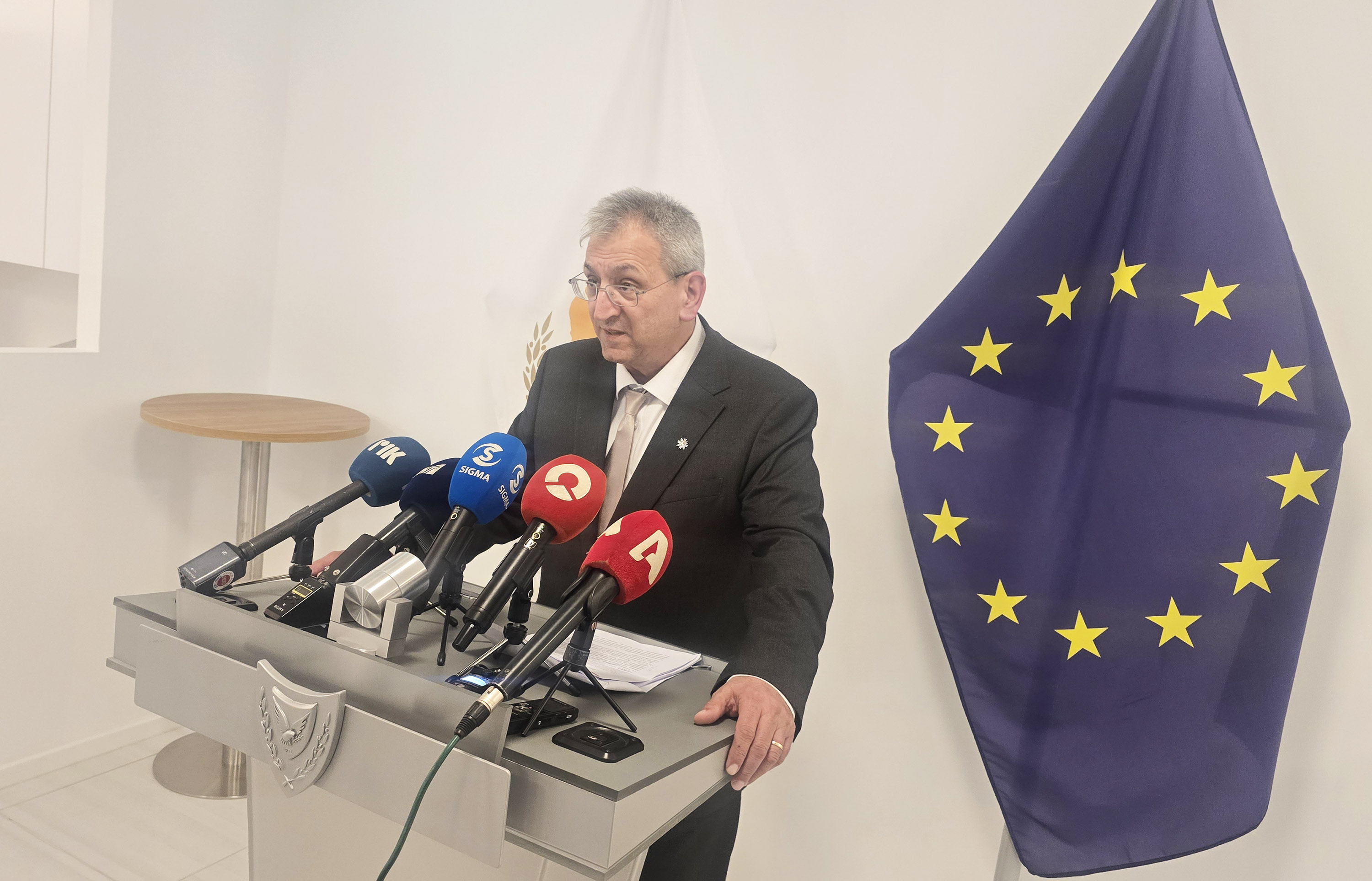
All pensioners will receive increases under the government’s planned pension reform, with those on lower pensions set to benefit the most, Labour Minister Marinos Mousiouttas said on Sunday.
In interviews with newspapers Phileleftheros and Kathimerini, Mousiouttas said the reform – the first major overhaul of the system since 1980 – was intended to create a fairer, more modern and sustainable pension system.
Increases will be calculated according to factors including the number of years worked and contributions paid, with proportionally greater support directed towards those receiving lower pensions.
According to the minister, more than 51,000 of the 123,212 current social insurance fund pensioners are expected to receive increases of more than €100 per month.
The increases will be introduced gradually over five years. However, pensioners currently receiving up to €600 will receive a minimum increase of €30 from the first month the reform comes into force.
Mousiouttas gave the example of someone with a full working life who currently receives a pension of €504, saying their monthly pension could increase by a total of around €250 over five years.
For pensioners who also receive the low-income pensioner allowance, the allowance may decrease as their pension rises. However, Mousiouttas said their total income would not fall below current levels.
He acknowledged that the reform would not in itself ensure that every pensioner was lifted above the poverty line, saying “poverty could not be addressed solely through social insurance fund pensions.”
The targeted low-income pensioner allowance would therefore continue to be paid to eligible recipients, he said.
On the 12 per cent actuarial reduction applied to people who retire at 63, Mousiouttas said it could not be abolished entirely, as doing so would affect the fund’s sustainability and effectively reduce the retirement age from 65 to 63.
The government’s proposal instead provides for a 4.5 percentage-point reduction in the penalty applied to the basic component of the pension, bringing it down from 12 per cent to 7.5 per cent.
The reform also includes measures aimed at people who spend time outside the workforce because of caring responsibilities or other circumstances.
The state, he said, would pay social contributions equivalent to three years for each child for mothers who stop working to provide care.
Those with disabilities and informal carers would receive credited contributions throughout their lives, while students and people entering the labour market would receive credits for one year.
Changes are also planned to the calculation of widows’ and widowers’ pensions.
Mousiouttas said extending widowers’ pensions to around 4,300 men who lost their spouses before January 1, 2018 and are currently ineligible would cost “tens of millions of euros” annually and “cannot be introduced without identifying and subsequently securing the necessary funding.”
Regarding the financing of the wider reform, the minister said social insurance fund reserves would no longer be lent to the state but placed in the fund’s investment account.
Arrangements have also been made for the government to repay its existing debt to the fund over time.
He stressed that the fund would not pursue an aggressive investment strategy.
The social insurance fund has historically been used by the state as a source of internal borrowing.
Earlier in August, fiscal council chairman Andreas Charalambous called on the government to be responsible with its plans to invest the social insurance fund’s cash reserves in the hope of growing those reserves, saying that “we should not embark on adventures which endanger the social insurance fund”.
Mousiouttas also addressed the employment of third-country nationals, describing foreign workers as necessary because of high employment levels and labour shortages in Cyprus.
However, he said the government would not tolerate “abuse or exploitation of foreign workers” and that inspections were being stepped up, particularly in the construction, tourism and hospitality sectors.
The minister said he remained open to substantiated proposals for changes to the pension reform, provided they did not alter its fundamental approach and that any additional expenditure was matched by equivalent savings.
The government is aiming for the pension increases to take effect from January 1, 2027.





Click here to change your cookie preferences