
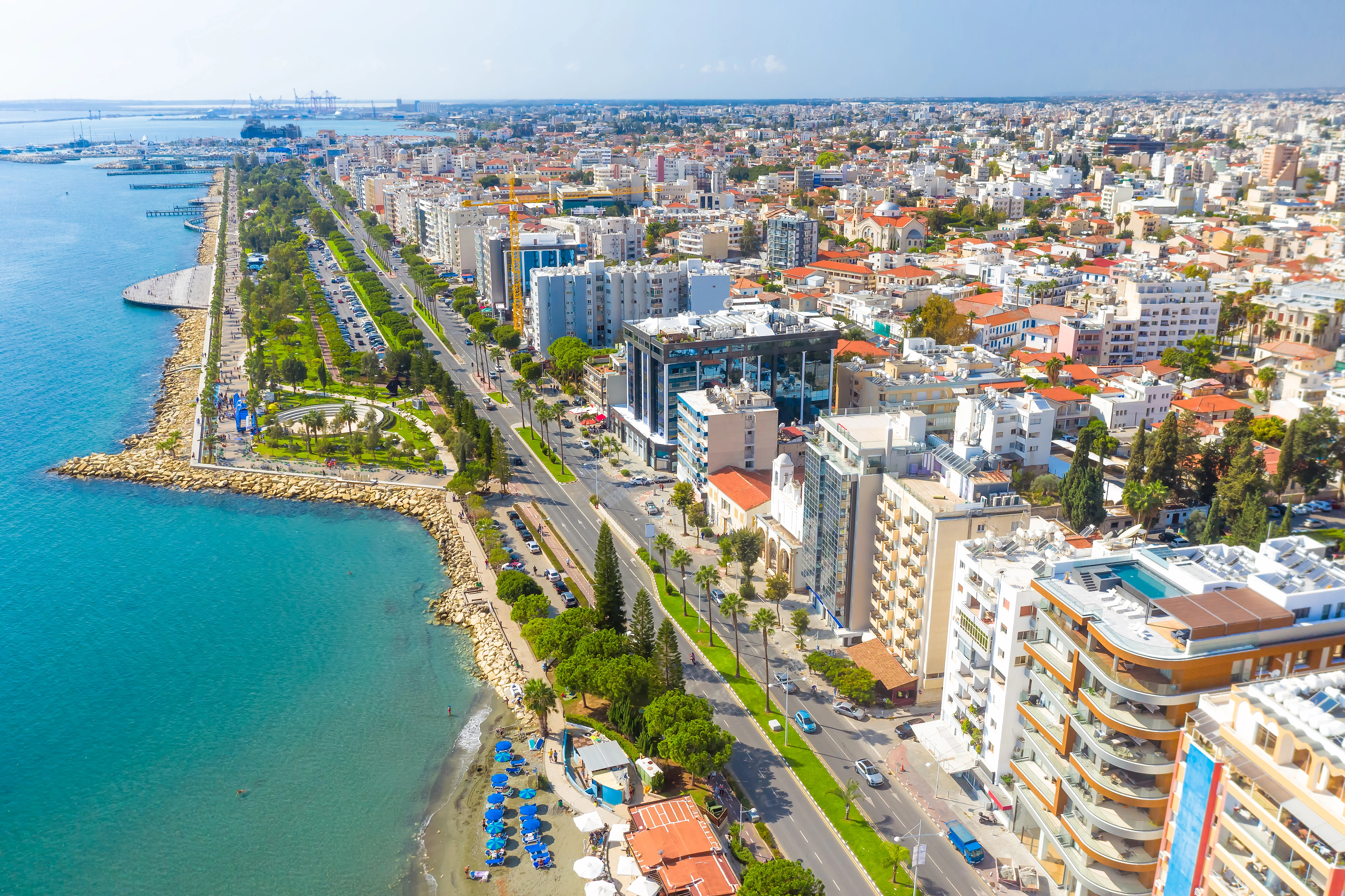
Sea pollution in Limassol is the result of multiple factors both on land and at sea and authorities must find a solution to the longstanding problem, Amathus mayor Kyriakos Xydias said on Friday.
His comments came a day after a broad meeting at the deputy shipping ministry, where additional measures were agreed to strengthen inspections and tackle marine pollution, amid renewed complaints over the condition of waters along Limassol’s coastline.
Speaking to the Cyprus News Agency (CNA), Xydias said possible sources included fish farms, recreational boats, commercial shipping and pipelines discharging into the sea.
“We demand that those responsible find a solution,” he said.
Marine pollution in Limassol Bay has concerned municipal authorities for years and, despite various studies and decisions taken over time, complaints have persisted.
The issue was also behind the decision by Limassol and Amathus municipalities not to apply for Blue Flag status for their beaches in 2026. Xydias said Amathus had consequently lost the nine Blue Flags it held in 2025.
Xydias also confirmed a report by Politis concerning a drainage pipe connected to a high-rise development which is under construction, an issue he had raised during Thursday’s meeting.
He said emergency works were being carried out to move the pipe further from the coastline so that it complied with the conditions of its permit.
According to Xydias, the environment department confirmed during the meeting that a permit existed for the drainage pipe but that it had subsequently been established that the pipe should have extended much further from the beach.
He said the pipe had for some time been located within Limassol municipality’s boundaries at Akti Olympion, but works were carried out last week to move it parallel to the coastline towards the Dasoudi area, which falls within Amathus municipality.
Xydias called on the authorities to explain “why the pipeline doesn’t go straight, why it turned twice, why it affects another area from the one where the development is taking place and why they did not check compliance with the permit they issued“.
Asked about the potential impact, he said the water discharged through the pipe may not pose a health risk to swimmers but could create other problems.
“It creates aesthetic problems and, if it ends up on the coast, it creates the phenomenon of eutrophication,” he said.
Xydias reiterated that Limassol’s municipalities were demanding that the competent authorities resolve the pollution problem, saying the involvement of numerous different government departments did not help efforts to address it.
Thursday’s meeting also drew criticism from organised swimmers, who complained that those experiencing the problem daily had not been invited.
“They waited for the summer to pass to hold a meeting in which neither citizens nor organised swimmers were represented, and it is a disgrace that they did not invite us,” president of the Akti Olympion winter swimmers and friends association, Erma Stylianidou said.
Stylianidou expressed doubt that the meeting would produce solutions, saying her group had been campaigning on the issue for 16 years, while others had been doing so for over 20 years.
She also argued that there were multiple pollution sources and that unless they were addressed collectively, the situation would not change.
Among her claims was that Limassol’s old port lacked the necessary facilities to receive sewage from recreational vessels, resulting in waste being discharged into the sea.
Limassol port master Panayiotis Agathocleous rejected the claim.
He said four active coastal passenger vessels currently based at the old port and operating during the summer were equipped with holding tanks.
“We have a sewage reception and management system which is connected to the sewerage network, while when there is an issue with other vessels, a tanker comes to collect it, with collection monitored through receipts,” Agathocleous said.




Click here to change your cookie preferences