
The fatalities bring to mind two brothers’ mysterious disappearances in 1959
There were two tragedies at sea in Cyprus last week. August is a most dangerous month in the sea around Cyprus, known in Greek as kakavgusties when the sea is treacherous even on fine sunny days, let alone in stormy weather of the kind Cyprus had last weekend.
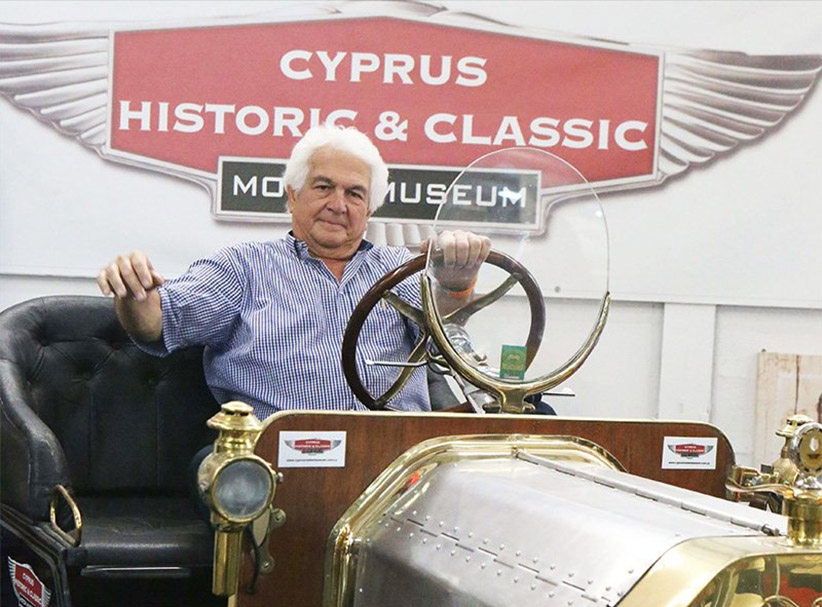
On Saturday, August 29, news emerged that the well-known Limassolian, Dimis Mavropoulos, had drowned after his boat got into trouble at Cape Greco. A postmortem report concluded death by drowning as the cause of death. His funeral was on Thursday in Limassol. By all accounts, it was a dignified commemoration of his life: he was a fine-looking man, a rally racing champion, classic-car collector and carnival king in Cyprus’ carnival capital.
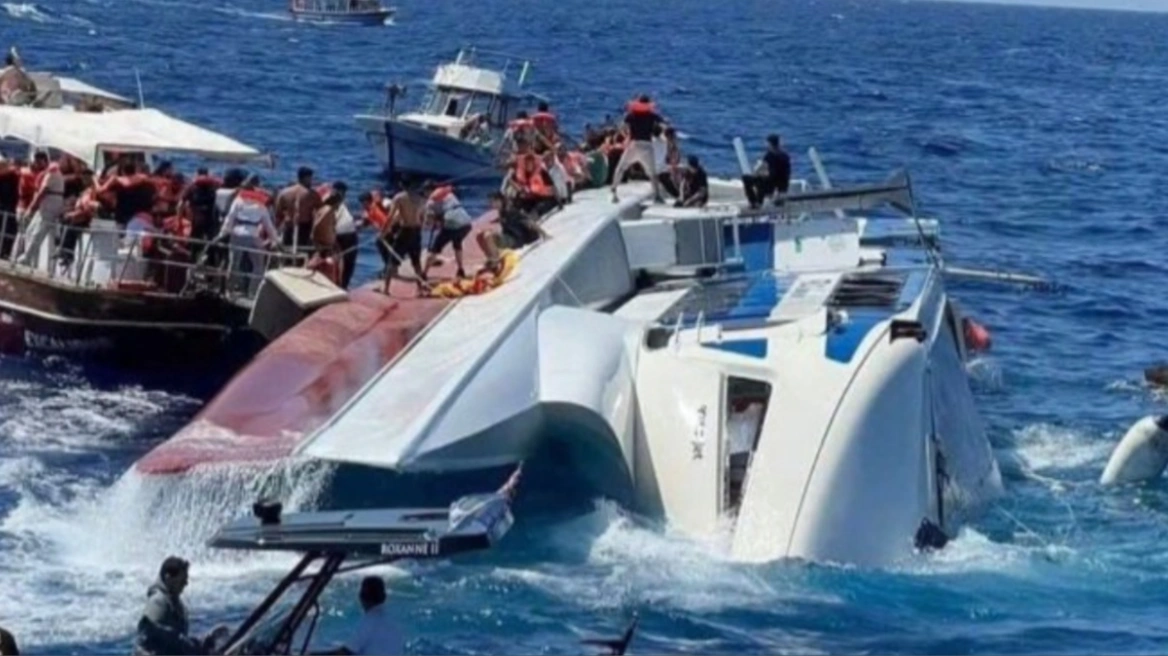
On Sunday, August 30, a Turkish ferry, the Filo Jet, with more than 200 people on board, capsized and sank three miles off Kyrenia en route to Turkey. Most of the passengers were rescued but 13 drowned and 15 are missing. The captain and his crew have been arrested on suspicion of criminal negligence, but the clamour is for a lot more than their prosecution.
Nothing short of a judge-led inquiry similar to the ones held in UK after the Herald of Free Enterprise sank outside Zeebrugge in 1987 when 193 people died, and after the Marchioness sank in the River Thames in 1989 when it collided with the much bigger dredger Bowbelle and 51 people died.
The Herald of Free Enterprise was a roll on roll off car ferry that left port with its bow doors open and inevitably took in water and sank. The Marchioness and Bowbelle had very poor look out arrangements and did not follow river safety procedures.
The reason for judge-led inquiries is that they investigate what lies behind the proximate cause of major accidents to what systemic failures in management, supervision, training and lack of safety culture may have contributed to the loss of so many lives.
A transparent public and effective inquiry by a respectable judge with the power to obtain maximum disclosure and compel witnesses to attend and answer questions is usual in major disasters involving multiple deaths where, as in the sinking of the FIlo Jet outside Kyrenia, there is public outrage and loss of confidence.
A judge-led inquiry is also necessary to avoid court action in the European Court of Human Rights (ECtHR) for a breach of the state’s obligation to protect life. There are two aspects to the right to life. The state has a substantive obligation to protect people’s lives by having in place criminal laws that punish killers; and police to prevent homicide; and fire services to save lives from burning buildings; and hospitals to treat people with life threatening conditions; and search and rescue services to save people from all kinds of life-threatening situations; and so on.
The other aspect of the right to life is the procedural aspect which is an obligation to investigate loss of life effectively, although the nature of the investigation will vary with the circumstances.
The obligation originated in cases involving the use of lethal force by state agents. The prohibition on arbitrary killings was held to be ineffective if there were no obligation to investigate the legality of arbitrary killings by state agents. It was then extended in other situations where death, life threatening injury or disappearances occur in suspicious circumstances and finally to cases of negligent deaths that engage the responsibility of the state.
As for the circumstances in which the Filo Jet sunk, both the substantive and the procedural aspects of the right to life apply in the sense that the disaster has to be investigated because of the responsibility of the state to ensure that people are reassured that sea travel is safe.
In the Mavropoulos case, a coroner’s inquest will be held to investigate all the circumstances surrounding his death because it was not a natural death. Moreover, an inquest would be in the public interest because he drowned in the vicinity of the treacherous sea around Cape Greco in a boating accident.
Cape Greco has been notorious for being dangerous to seafarers at the very least since the two sons of judge Georgios Vassiliades, Pavlos, 22, and Yiannis, 18, disappeared while sailing round Cape Greco in 1959.
Their bodies were never found and although their sailing boat was recovered, their disappearance is still shrouded in mystery. Their disappearance happened in life-threatening circumstances that required the state to take measures to protect their lives, which it seems the British colonial government did at the time.
Whether the RoC government still has a continuing obligation to investigate is not certain as the legal obligation continues indefinitely, normally only if the state is responsible for a disappearance.
Judge Vassiliades was a prominent judge of the High Court in 1960 and president of the Supreme Court of Cyprus 1966-71 and no doubt he ensured all measures were taken to find his sons and continued for a number of years. And if up to date methods of detection can now shed light on his sons’ disappearance they will be used whether or not the state has an obligation to investigate.
According to his daughter Edmee Leventis OBE in an interview she gave in 2017, in the days following their disappearance the family left no stone unturned to find them. “We combed the vicinity handspan by handspan day and night,” she said.
In due course the coroner will go into the circumstances in which Dimis Mavropoulos died and the lessons to be learned. It would be interesting if he or she makes at least a passing reference to the tragedy of Pavlos and Yiannis Vassiliades.




Click here to change your cookie preferences