
Finance ministry defends minimum tax rules as business group raises concerns
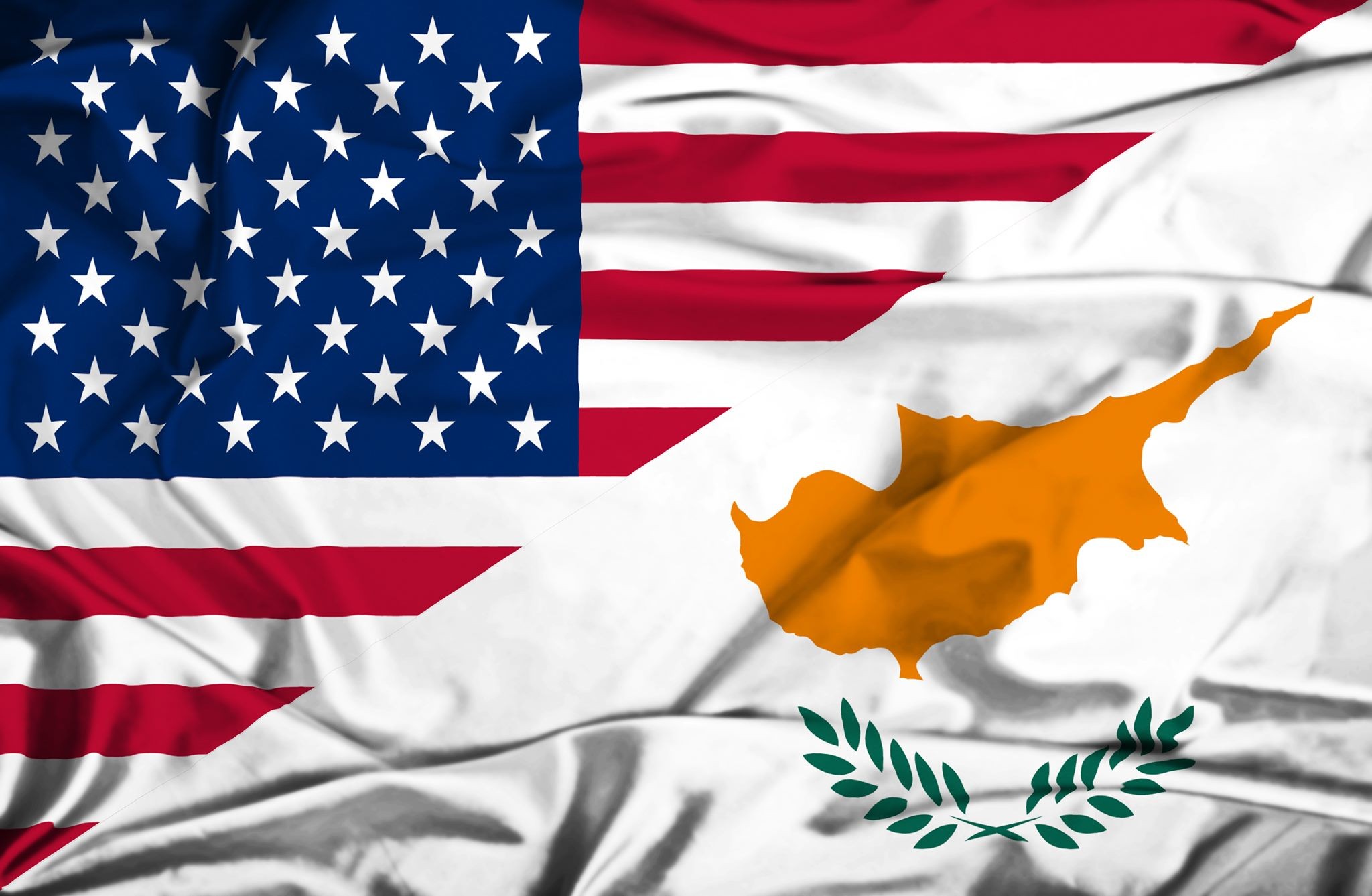
The American Chamber of Commerce in Cyprus (AmCham Cyprus) has called for a balanced approach to implementing the OECD/G20 Pillar Two international tax framework, warning that policy decisions could affect future investment, employment and Cyprus’ position as an international business hub.
The chamber said it fully supported Cyprus’ commitment to international tax cooperation, transparency and compliance with OECD and EU frameworks, but argued that implementation should be based on evidence and take account of the country’s competitiveness.
AmCham said it had heard concerns from international investors, multinational companies, business leaders and professional service providers about the implications of evolving Pillar Two rules for future investment decisions.
It warned that some US-headquartered multinationals could reconsider expansion plans, choose alternative jurisdictions or decide against establishing operations in Cyprus if the country’s competitive position weakened.
The chamber acknowledged that the extent of any such impact remained uncertain, but said the concerns warranted an objective assessment of the potential consequences for investment flows, employment and long-term economic growth.
The intervention came after Finance Minister Makis Keravnos said last week that Cyprus had seen no evidence of large companies leaving the island because of the global minimum tax, dismissing reports of an impending corporate exodus as unfounded.
Speaking at the Finance Ministry, Keravnos said claims that Pillar Two was pushing major businesses away from Cyprus had come from “isolated voices which, if they do not serve personal interests, seem to arise from some obsessions”.
He said the Finance Ministry was preparing an amending bill following a decision by the European Commission, describing the process as a standard consequence of consultations with Brussels and Cyprus’ obligations under the OECD framework.
Keravnos also stressed that Pillar Two did not impose a 15 per cent tax on every company operating in Cyprus, with the rules applying only to large multinational and domestic groups with annual revenue exceeding €750 million.
Nor, he said, would all companies falling within that category automatically pay additional tax at a flat rate of 15 per cent.
“Where a group’s effective tax rate falls below 15 per cent, the difference up to this minimum level is paid through specific and particularly complex rules,” Keravnos explained.
He also pointed out that the measure was not introduced by Cyprus acting alone, but formed part of an international agreement reached through the OECD, G20 and EU on global minimum taxation before being incorporated into EU law.
Against this backdrop, AmCham said the central policy question was not whether Cyprus should comply with international standards, but how it could do so while preserving an attractive, predictable and competitive business environment.
The chamber said US investment was a strategic asset for Cyprus, with the US described as one of the island’s most important economic partners and a significant source of foreign direct investment, innovation, entrepreneurship and international business activity.
According to figures cited by AmCham, US foreign direct investment stock in Cyprus stood at approximately $14.9 billion, while US-owned enterprises supported thousands of jobs across technology, professional services, finance, energy, shipping, research and development and digital industries.
The chamber said US investments contributed to economic growth, employment, government revenues, exports and the transfer of knowledge and expertise.
It also said a substantial proportion of annual tax revenues generated by US companies in Cyprus, estimated at around €140 million, came from businesses established on the island to support or expand international operations.
AmCham argued that the experience of established multinational companies should not be the only consideration, as the future investment pipeline could be more vulnerable to changes in the relative attractiveness of different jurisdictions.
The issue has gained added attention following the closure of BrainRocket’s Limassol offices, with most remaining employees reportedly offered relocation packages to Spain or other countries where the technology company operates.
The company had employed around 1,500 people in Cyprus, with more than 1,000 understood to have been affected by a restructuring that began in 2025 as business was transferred from Limassol to Valencia.
It should be noted, however, that no evidence has been presented that the BrainRocket withdrawal was linked to Pillar Two.
Nevertheless, the development has highlighted the wider importance of Cyprus’ ability to retain large international employers.
AmCham said multinational companies considered a range of factors when deciding where to establish or expand operations, including regulatory certainty, legal stability, access to talent, infrastructure, operating costs, government efficiency and tax policy.
It therefore called for an independent economic impact assessment examining the number of multinational groups affected by Pillar Two, their contribution to employment and economic activity, direct and indirect government revenues, potential effects on future investment and the treatment of competing jurisdictions.
The chamber also called for structured consultation involving multinational companies, investors, business associations, tax professionals and other stakeholders.
It urged policymakers to maximise the flexibility available under international rules while continuing to engage with the OECD and EU, while protecting Cyprus’ position as a regional hub for headquarters, technology, innovation, research and international investment.
AmCham also proposed a broader US-Cyprus investment competitiveness strategy, including measures on talent, regulation and investor services.
The chamber said it was ready to continue discussions with the government, parliament and other stakeholders, stressing that major policy decisions should be informed by economic evidence and their long-term implications.
“This is not merely a technical tax issue. It is a strategic economic issue with implications for investment, competitiveness, employment, innovation and Cyprus’ future growth trajectory,” AmCham said.
Finally, the organisation said that it remains “committed to working constructively with the government, parliament and all relevant stakeholders to identify solutions that safeguard Cyprus’ international credibility while preserving its ability to attract investment, create jobs and remain a dynamic and competitive economy within Europe and beyond”.





Click here to change your cookie preferences