
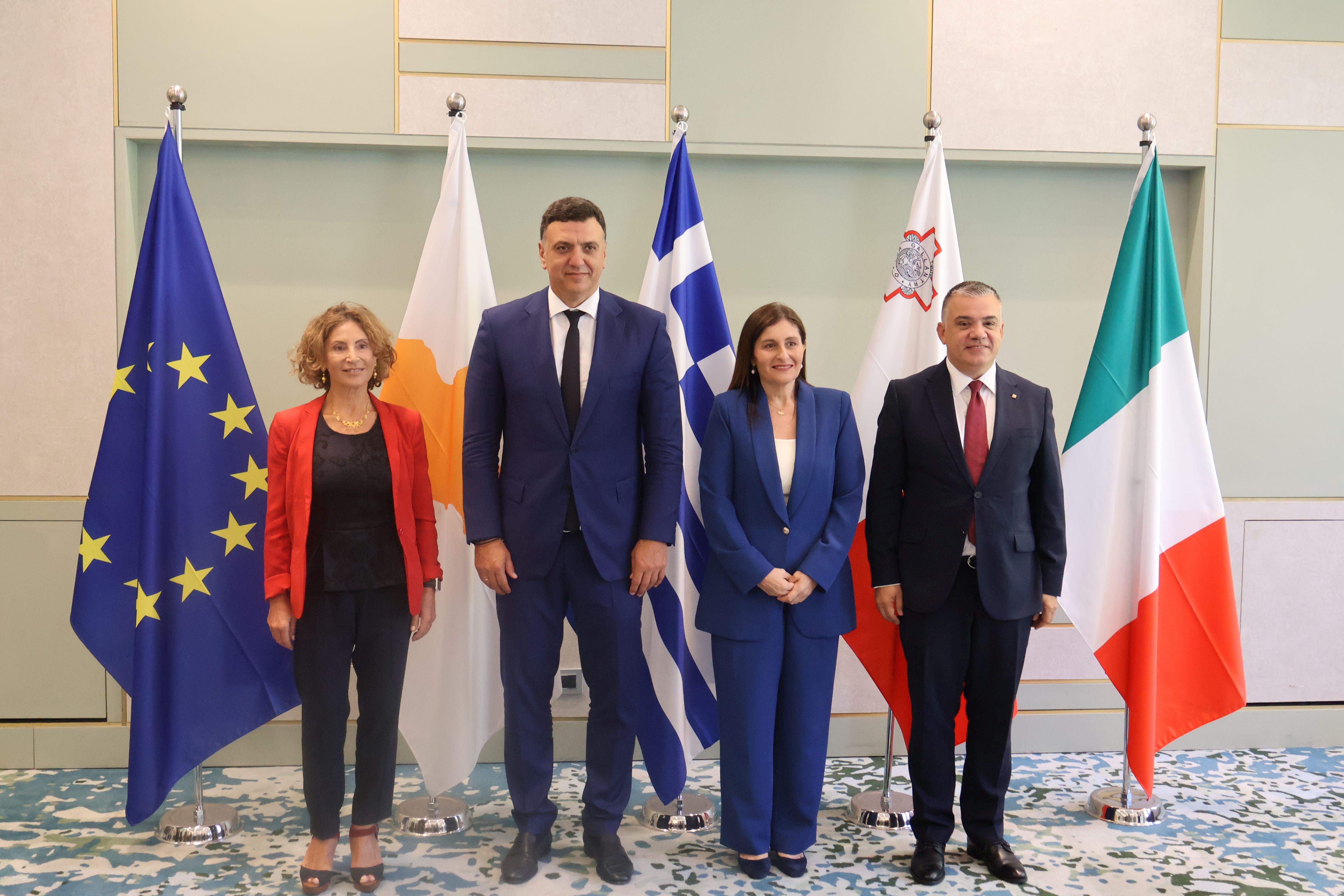
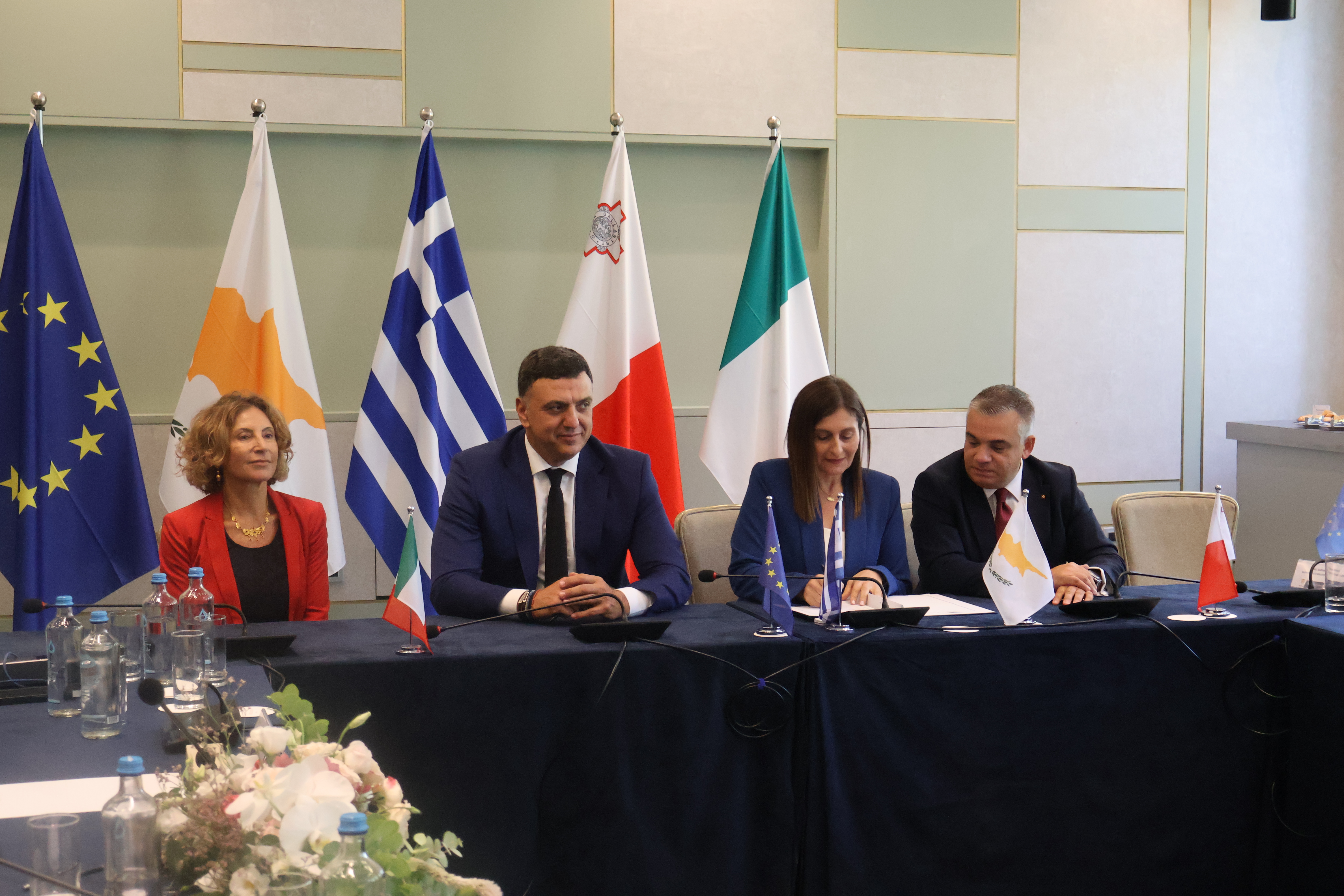
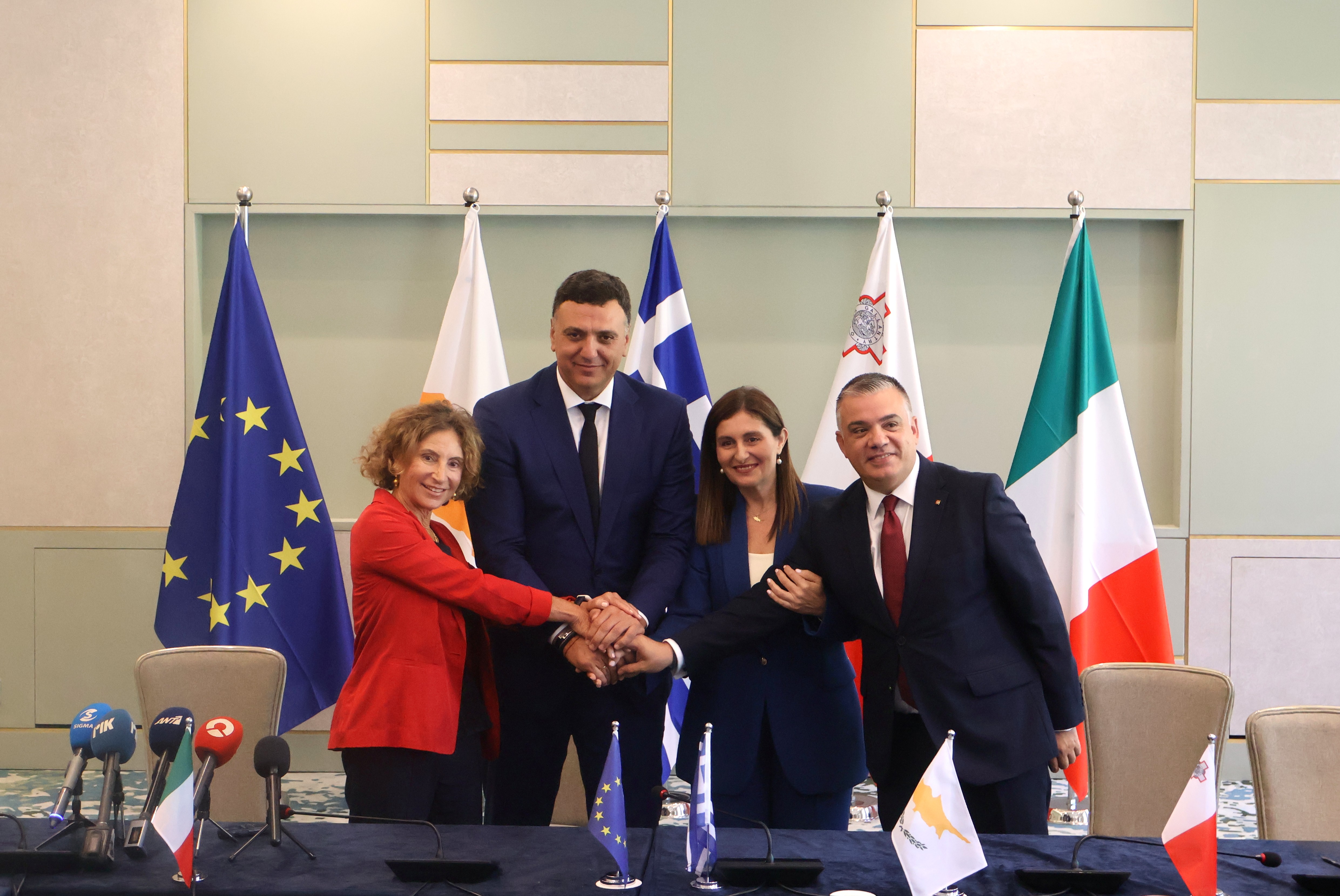
Cyprus, Greece, Malta and Italy have agreed to strengthen their common front on European shipping, signing a joint declaration in Limassol on Wednesday as they seek greater influence over decisions on competitiveness and decarbonisation in Brussels and at the International Maritime Organisation (IMO).
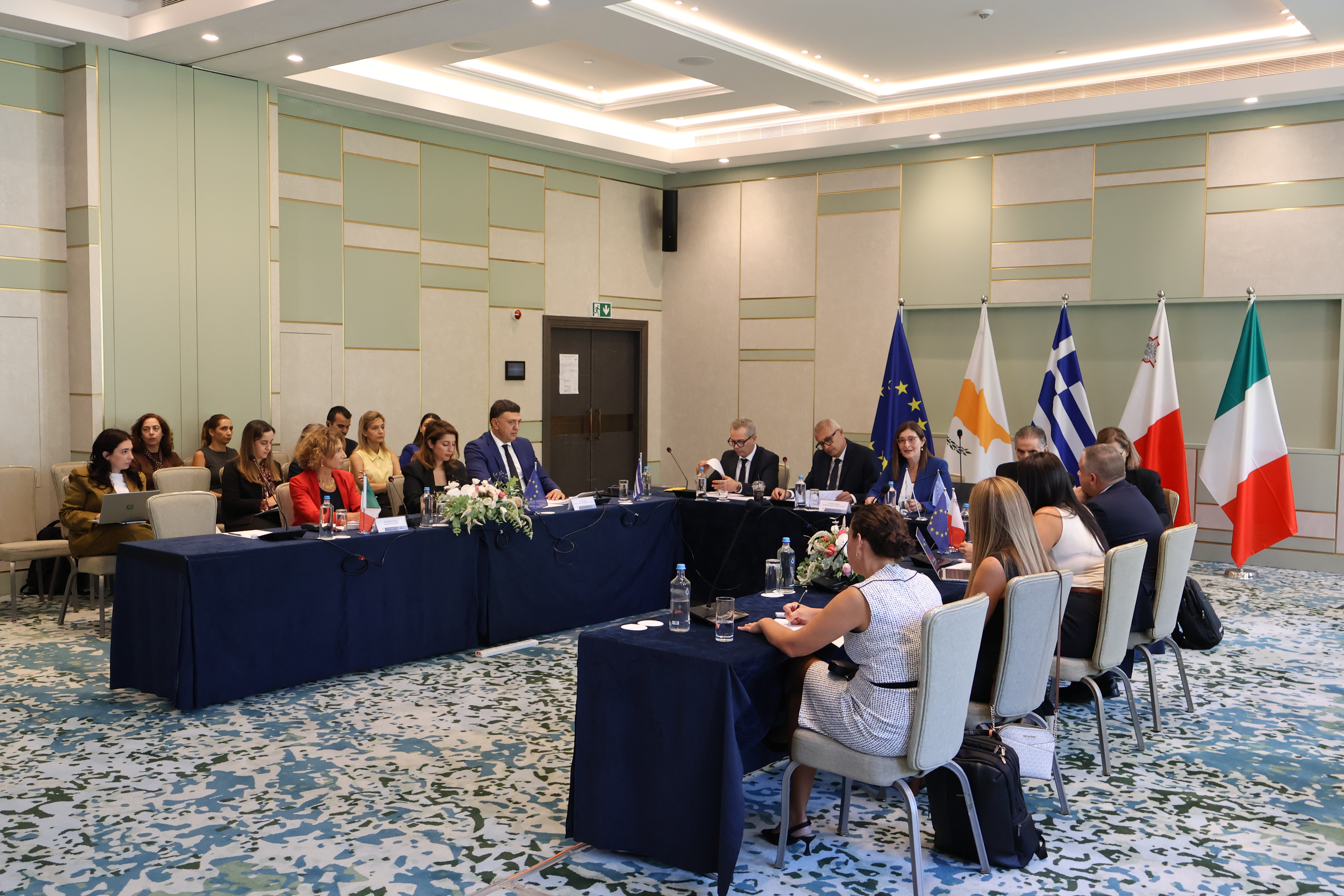
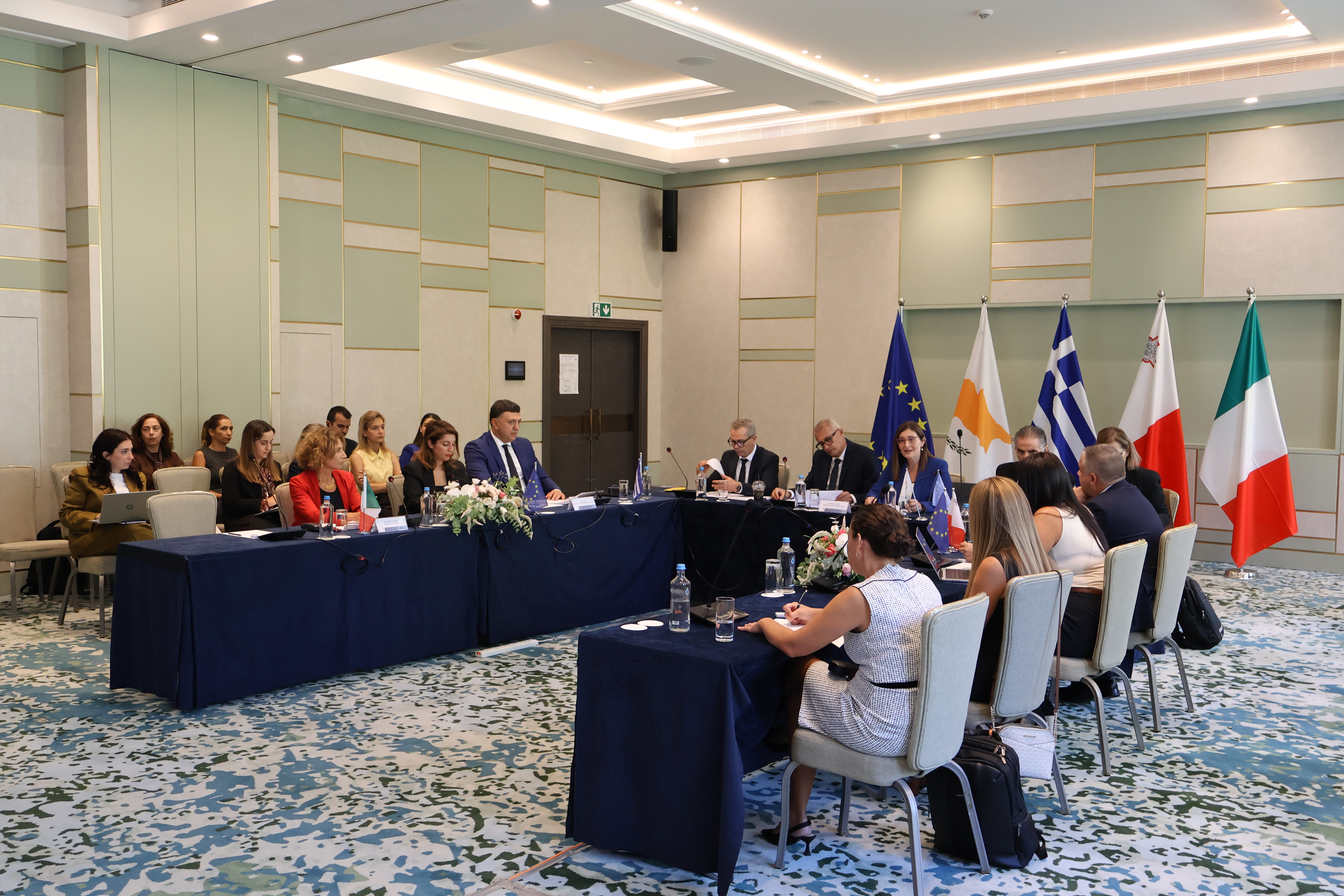
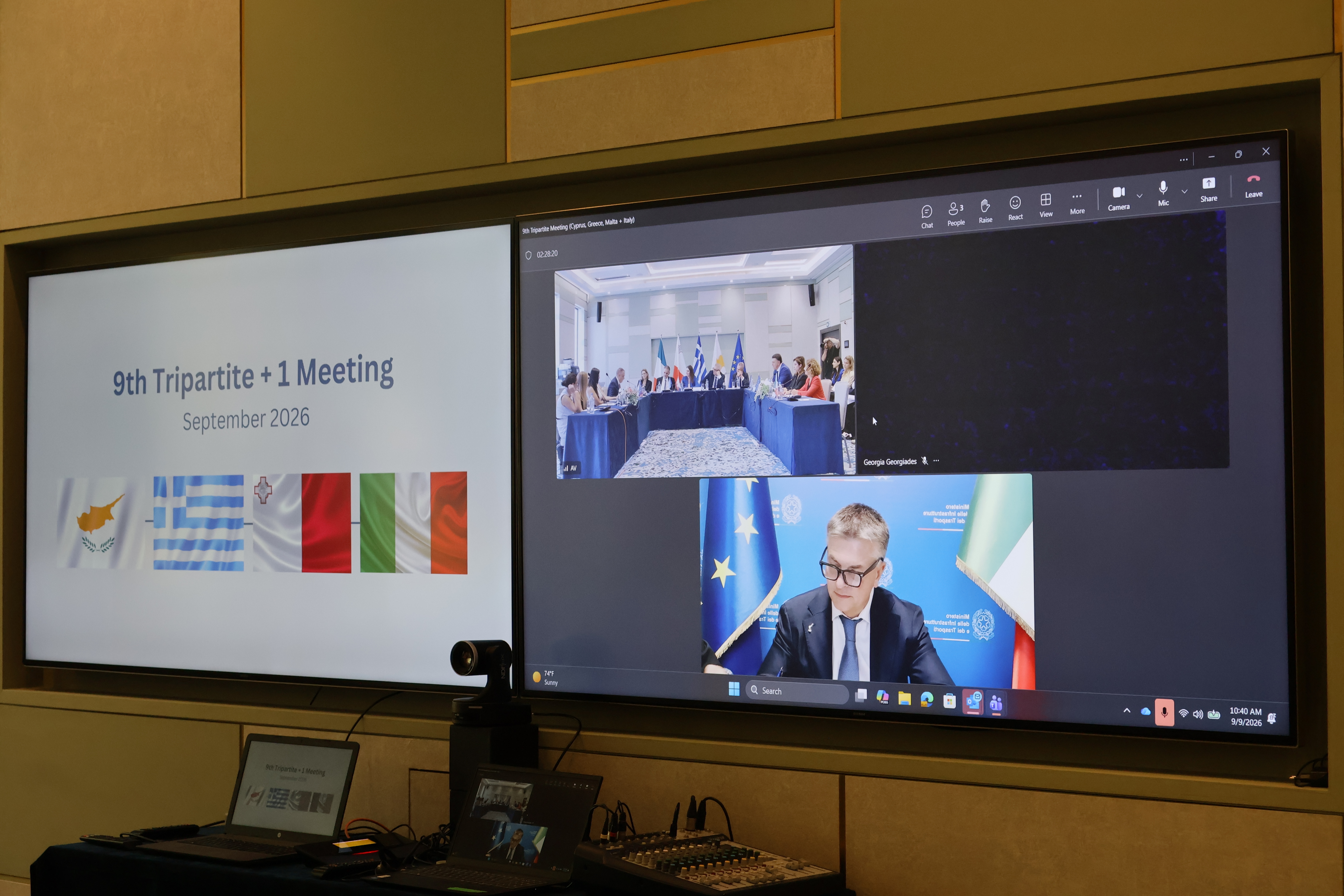
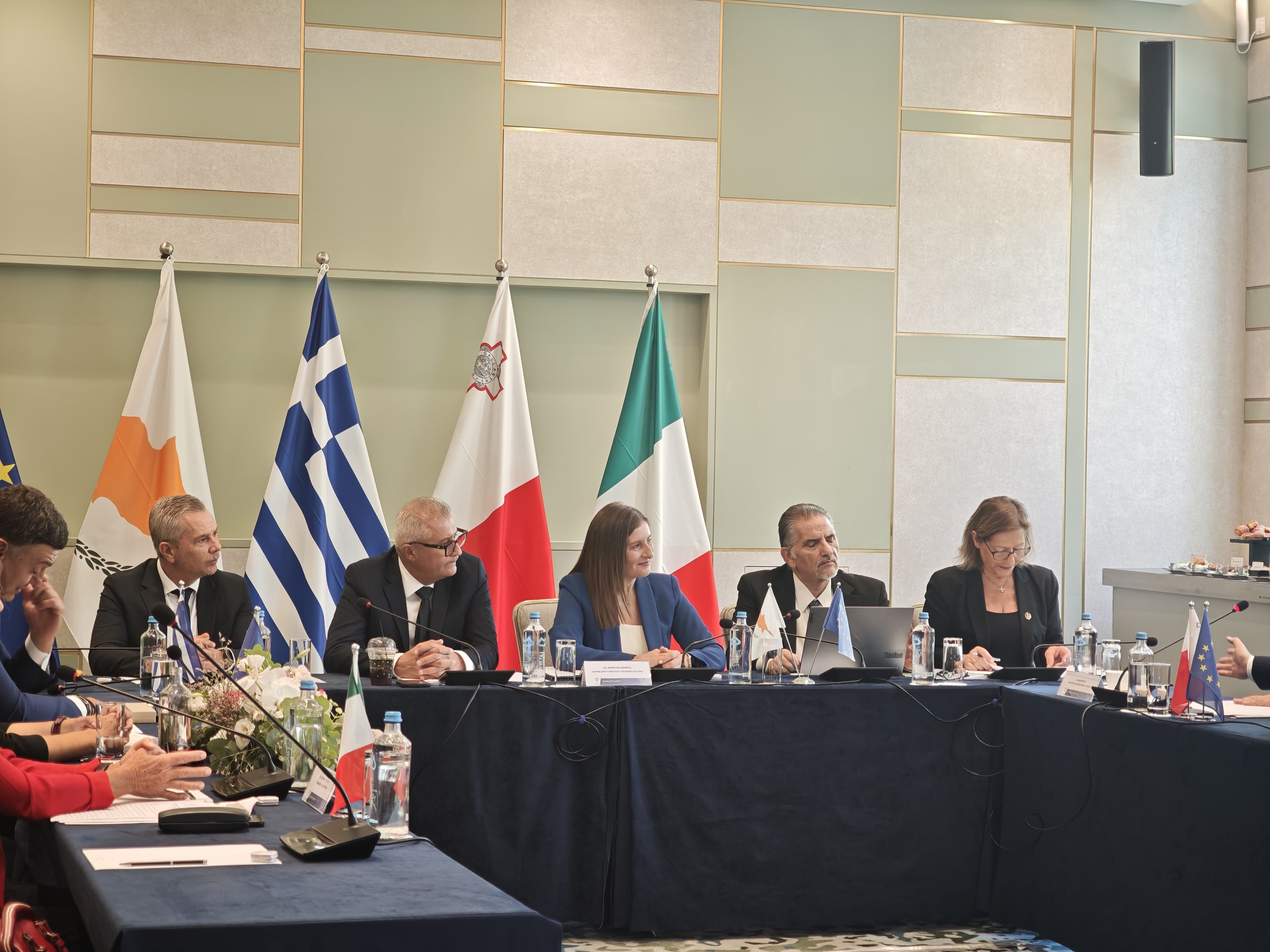
The agreement came at the ninth maritime meeting between Cyprus, Greece and Malta, held for the first time in an expanded 3+1 format with Italy, bringing together four Mediterranean countries with some of the EU’s strongest shipping interests.
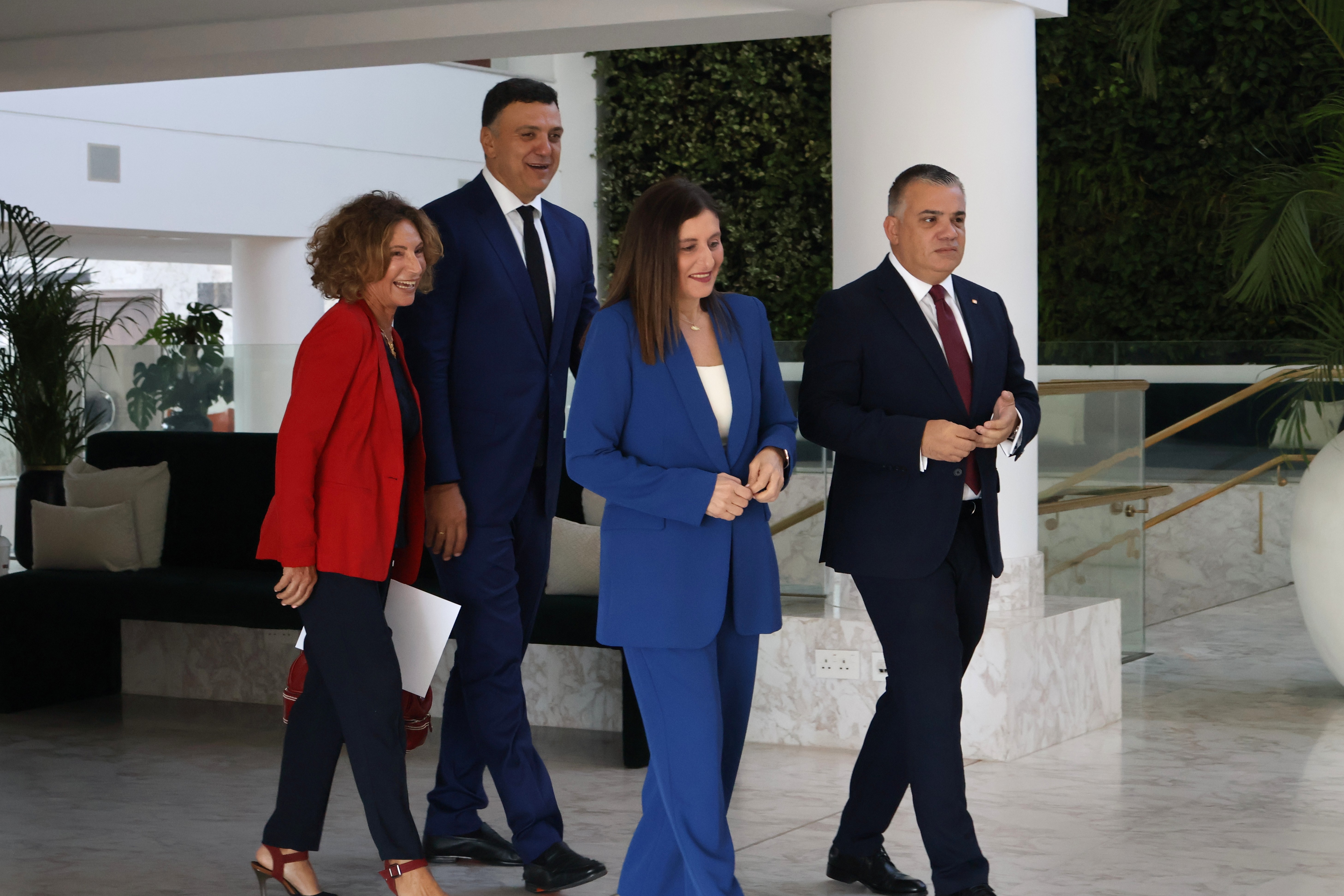
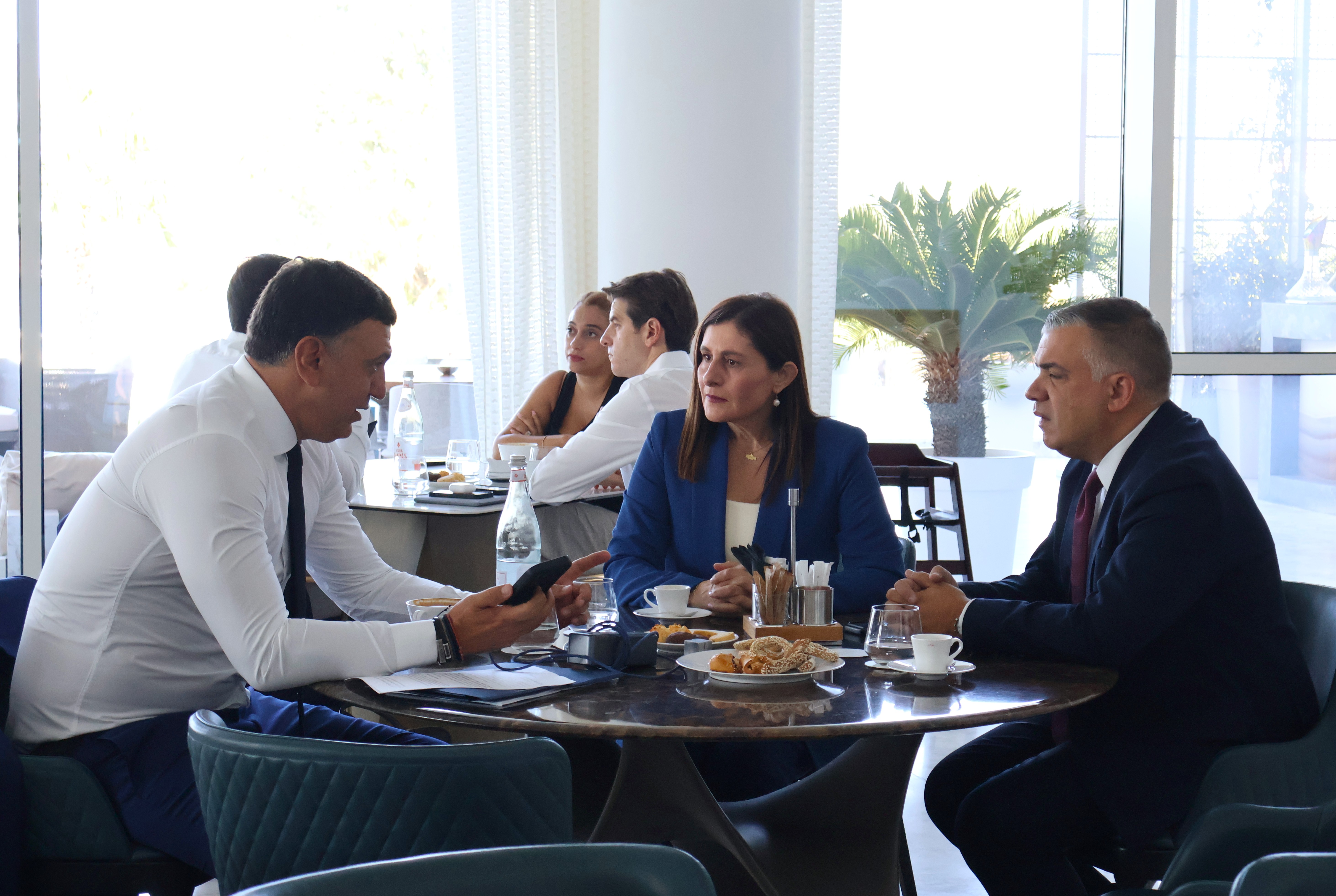
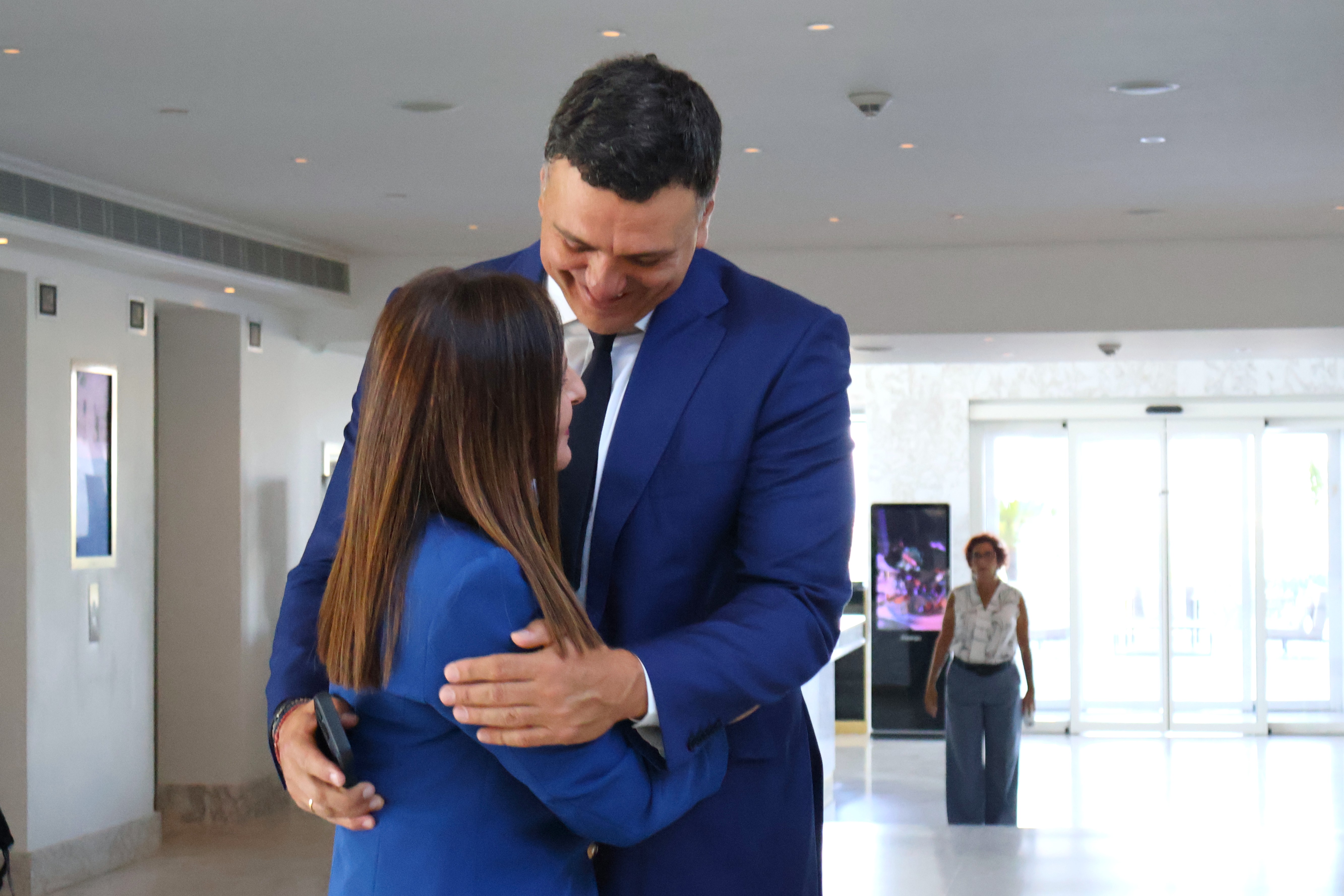
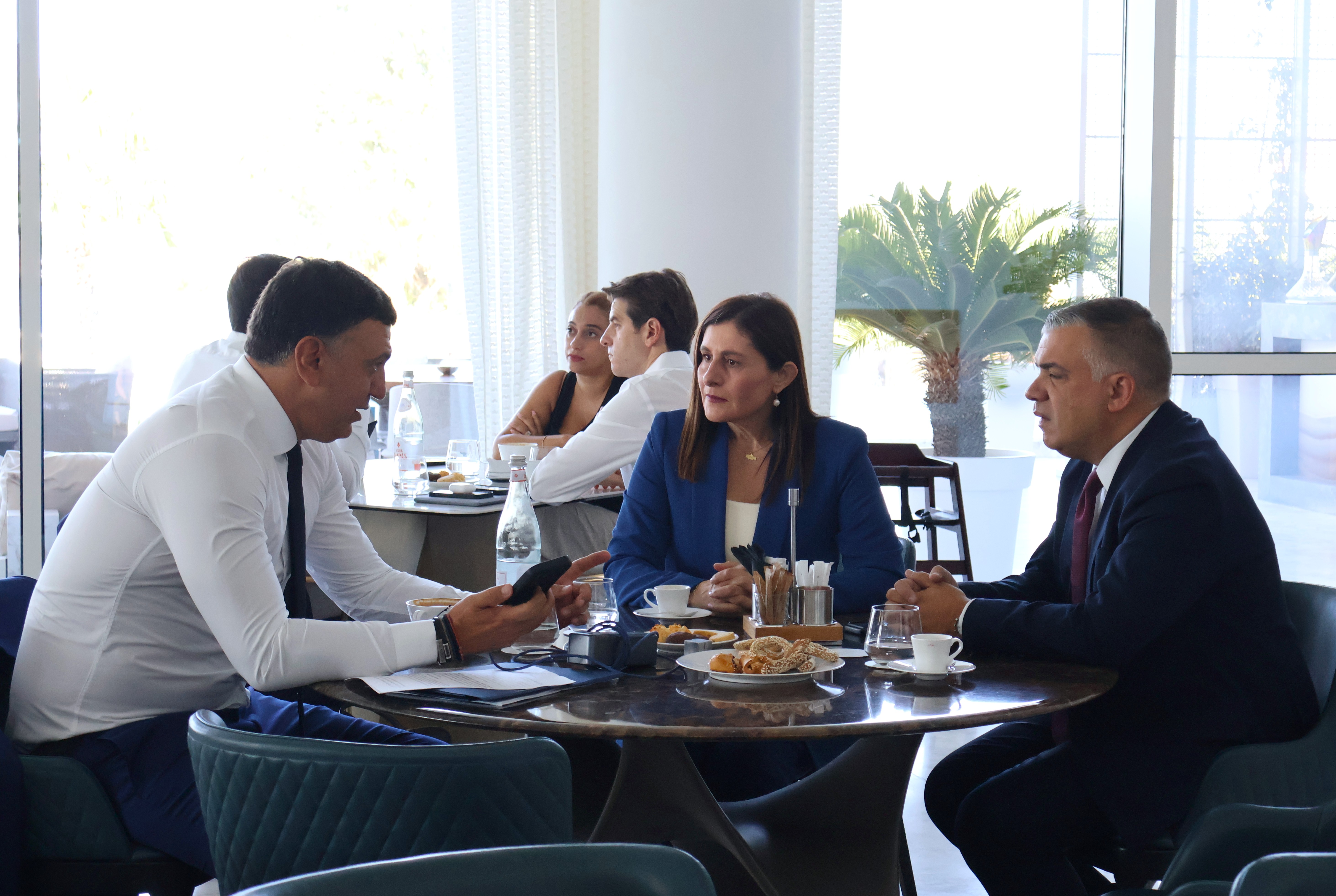
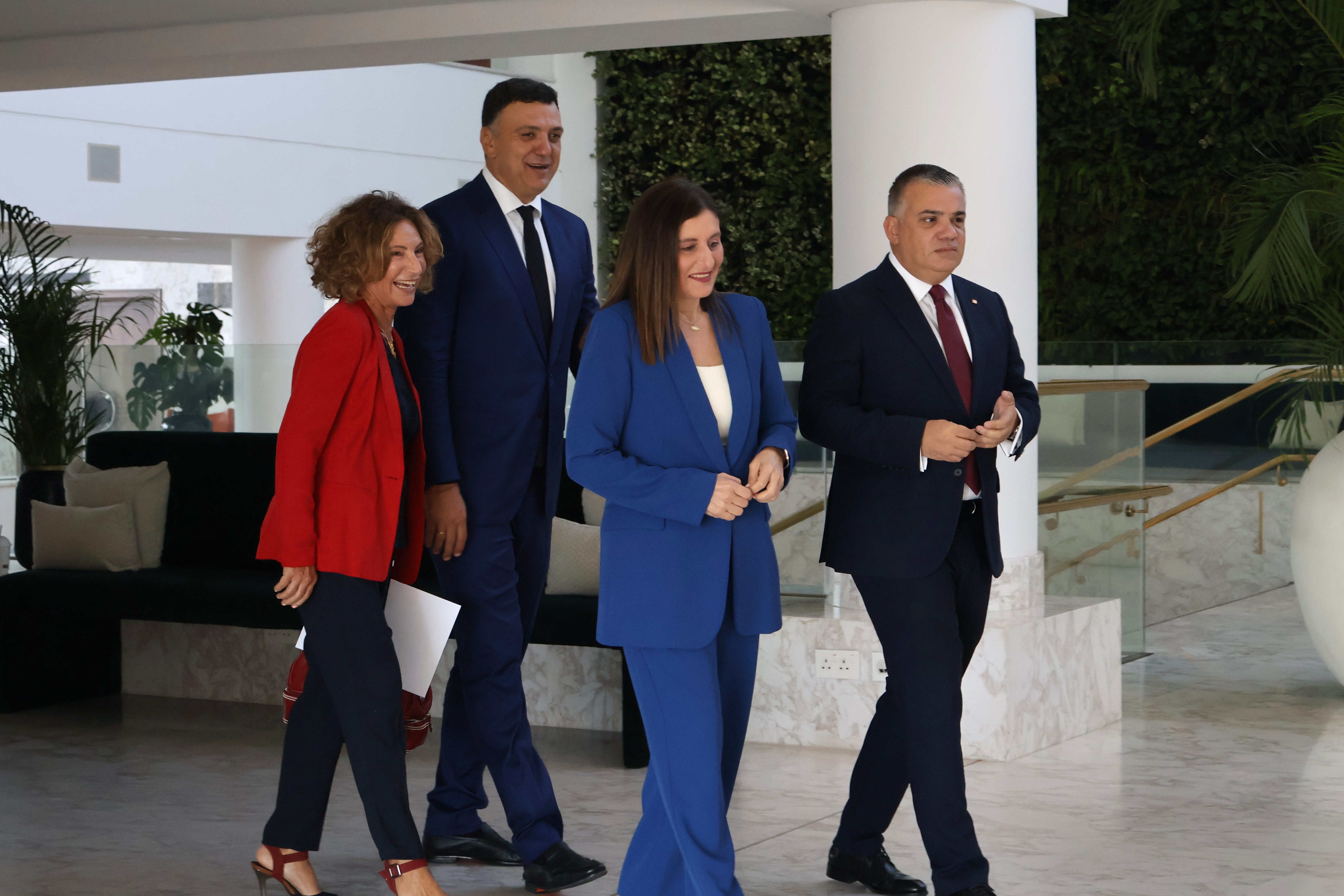
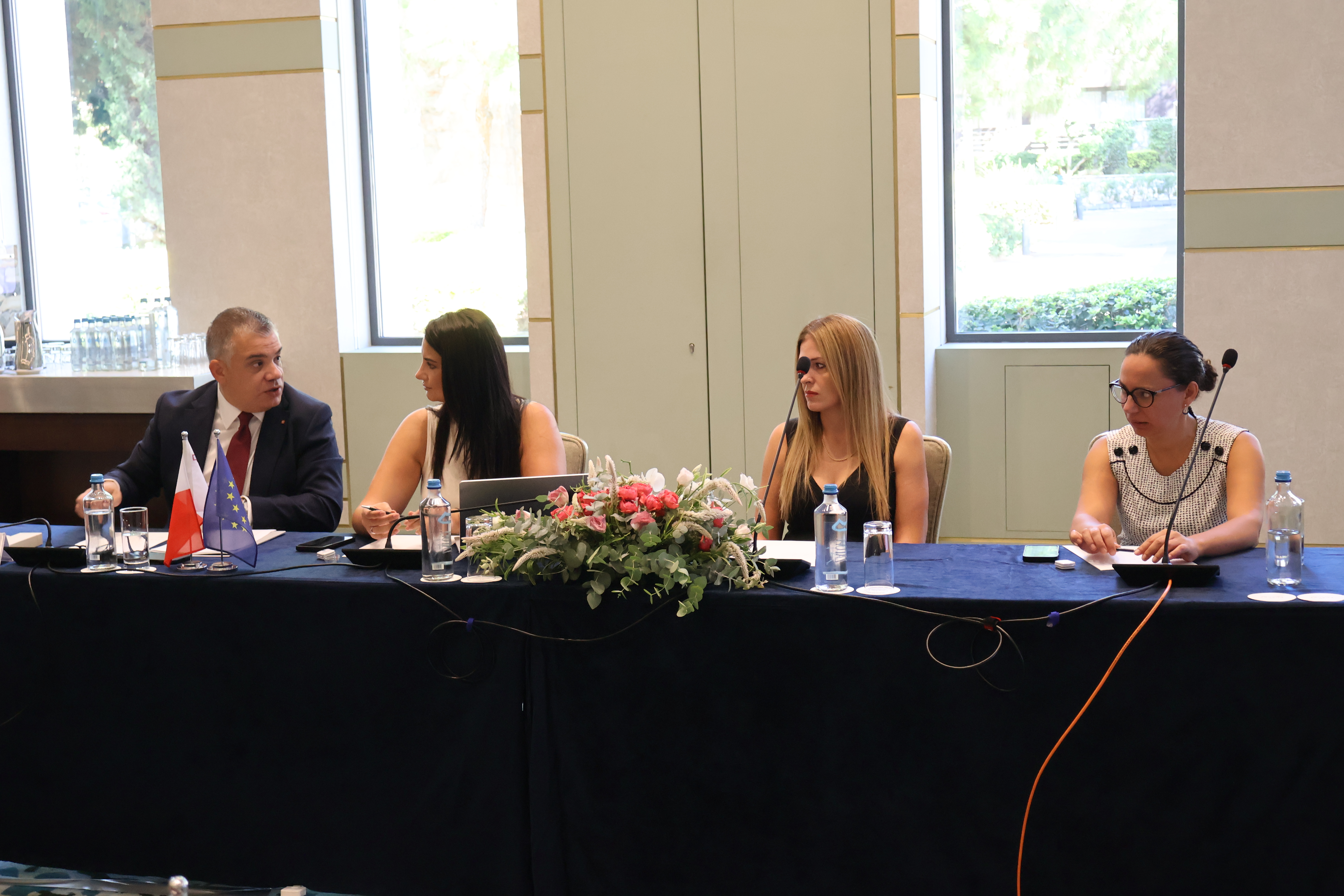
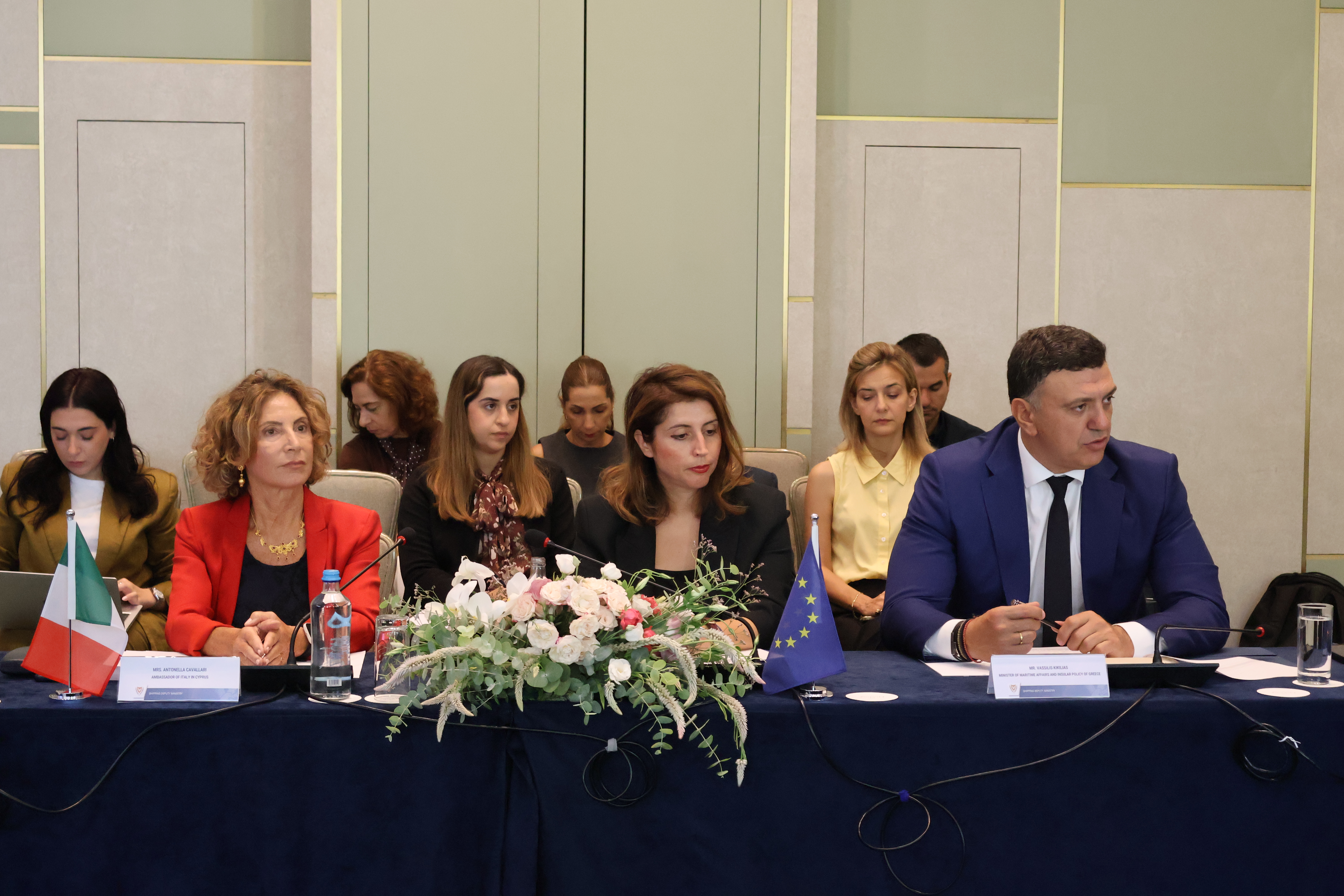
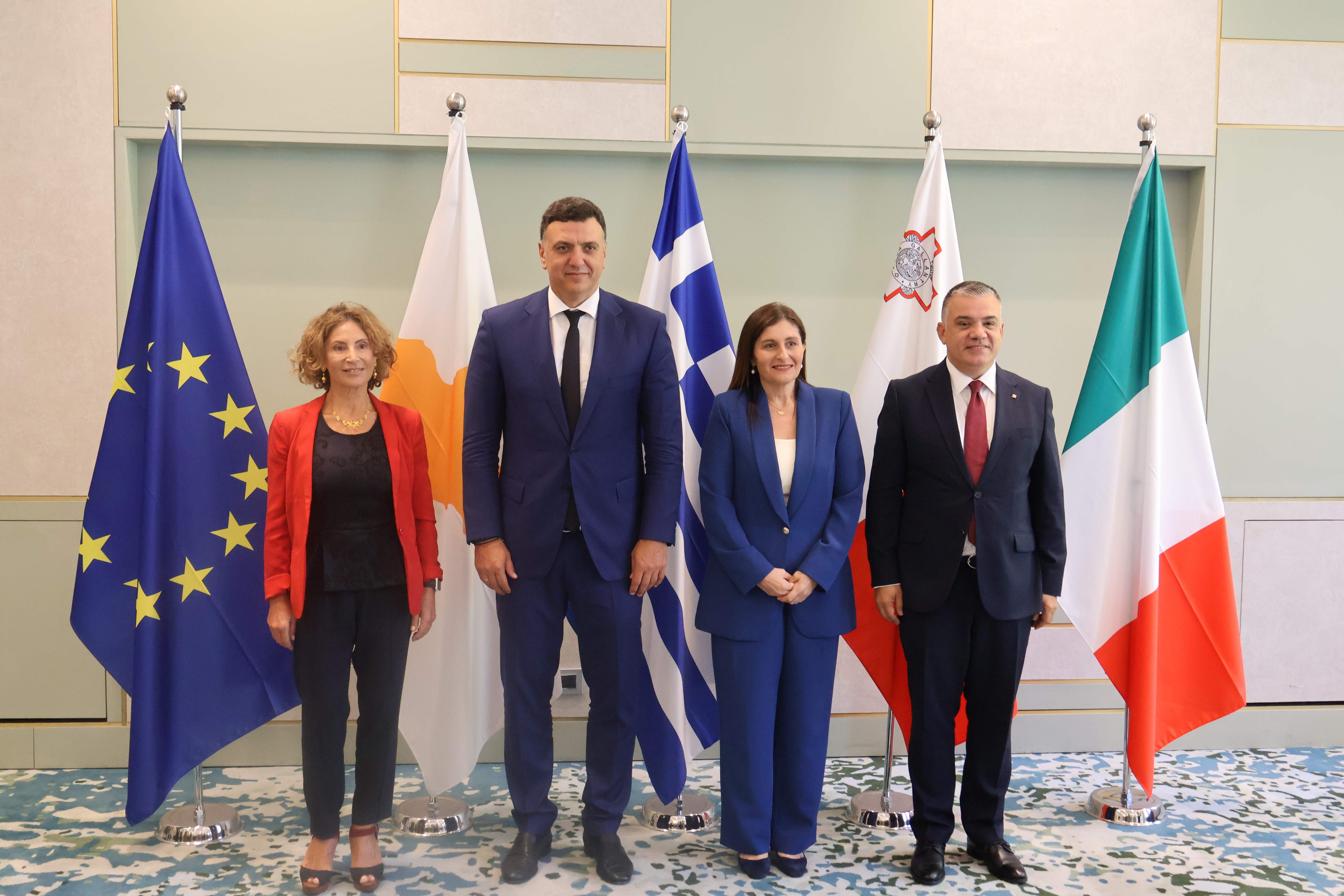
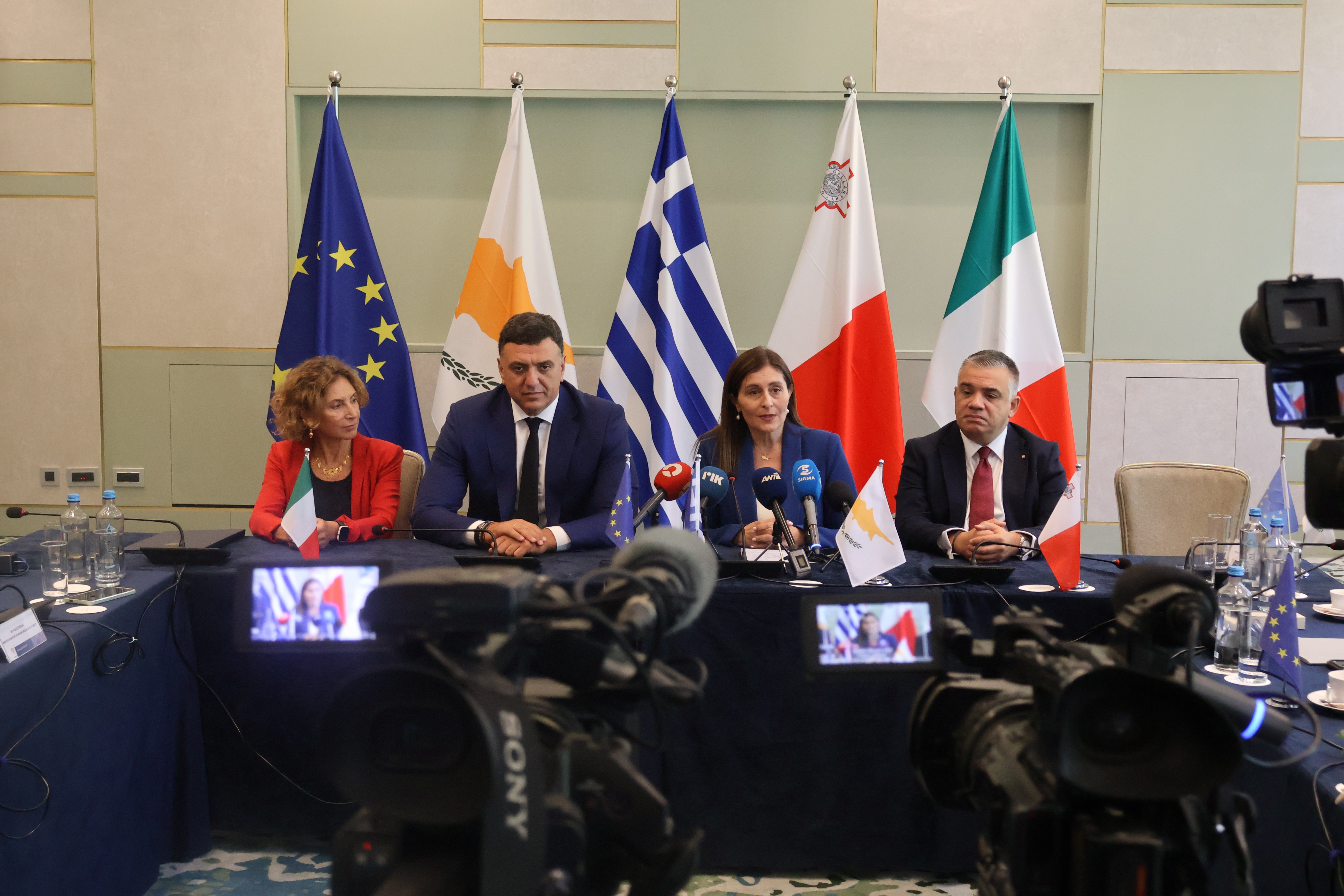
Cyprus Shipping Deputy Minister Marina Hadjimanolis hosted Greece’s Maritime Affairs and Insular Policy Minister Vassilis Kikilias and Malta’s Minister for Sustainable Mobility Chris Bonett at the Parklane Hotel in Limassol.
Italy’s Deputy Minister for Infrastructure and Transport Edoardo Rixi participated online, while Italy was represented at the meeting in Limassol by Ambassador Antonella Cavallari.
Cavallari has served as Italy’s ambassador to Cyprus since January 2026.
Speaking after the meeting, Hadjimanolis said the declaration reflected what she described as common concerns over the future and competitiveness of European shipping, alongside the challenge of decarbonising the industry.
She said the four countries had agreed that acting together could deliver better results and give their concerns greater weight when decisions affecting all 27 EU member states are taken.
At the same time, Hadjimanolis stressed that the cooperation was not intended to undermine wider European unity.
“The unity of the European Union is important,” she said, explaining that some maritime issues nevertheless affected certain member states more directly than others.
As four major maritime nations, she added, Cyprus, Greece, Malta and Italy were “ready to lead together this change”.
The declaration therefore gives the four governments a common platform as discussions intensify over the future regulatory framework for European shipping.
That coordination is expected to focus particularly on the negotiations taking place at the IMO over international decarbonisation measures and on the forthcoming revision of the EU Emissions Trading System for shipping.
The Greek Shipping Ministry confirmed ahead of the meeting that both issues would be given particular attention in Limassol, alongside closer coordination between the four governments with the aim of safeguarding European shipping competitiveness.
Kikilias, meanwhile, placed much of the emphasis on the relationship between shipping policy and the cost of living for European households.
He said the discussions on European competitiveness in shipping were closely linked to the wider economy and “to everyday life for our European families”.
Inflation, energy costs and food prices, he argued, could all be affected by decisions taken over shipping, energy, shipyards and ports in the coming years.
For that reason, he said, such decisions should not be considered separately from their economic consequences.
Kikilias said European policies had to be approached “realistically and practically”, particularly during a period marked by geopolitical tension and instability.
Governments, he added, had to do everything within their power “to support our people”.
The Greek minister described Wednesday’s agreement as an important step in that effort and expressed hope that other member states would eventually join the initiative.
He argued that the four-country position was based on “reason”, “logic” and “balance”, with the aim of securing the best possible outcome for both European shipping and European consumers.
Bonett similarly stressed that the cooperation should not be seen simply as four governments protecting their own shipping industries.
Although Cyprus, Greece, Malta and Italy share both their Mediterranean geography and strong maritime sectors, he said the issues under discussion affect Europe as a whole and international trade more broadly.
Energy supplies and much of the goods consumed by European economies arrive by sea, he noted, while for island states in particular maritime transport is not simply one transport option among many.
“For some of us, we don’t have a choice, because the sea is practically our neighbourhood,” Bonett said.
The Maltese minister said the four countries therefore had an obligation to ensure that the regulatory decisions taken for shipping remained workable.
Among the pressures facing the sector, he pointed to the geopolitical situation and decarbonisation.
Bonett made clear that the countries supported the move towards cutting emissions, describing decarbonisation as a choice made to protect the planet for future generations.
However, he warned that the transition could not be pursued without considering its impact on the wider economy.
“Modernising, decarbonising, innovation should not come at the cost of businesses and families,” he said.
That, according to Bonett, was one of the most important messages contained in the declaration signed on Wednesday.
The four countries want to work more closely and support each other, while convincing the wider EU that their position could ultimately benefit the continent rather than only their respective national industries.
Bonett said policy therefore “has to make sense” and “has to be pragmatic”.
The coming weeks and months would be particularly important, he added, as the countries reiterate their common position in European discussions.
Shipping also needed a regulatory environment which did not produce avoidable increases in costs for consumers, he said.
The issue has become particularly important as the EU ETS reaches its full phase-in for shipping.
Under the system, shipping companies were required to surrender allowances covering 40 per cent of applicable emissions for 2024 and 70 per cent for 2025, while the requirement reaches 100 per cent in 2026.
Methane and nitrous oxide emissions are also included in the maritime ETS from this year, alongside carbon dioxide.
The European Commission has also begun work on a wider revision of the EU ETS, proposing changes in July aimed at reconciling the bloc’s climate objectives with industrial competitiveness.
For Mediterranean shipping countries, however, one of the recurring concerns is that European environmental rules can create a competitive difference between ports inside and immediately outside the EU.
That point was picked up directly by Cavallari.
The Italian ambassador said Italy regarded participation in the group as particularly important because of the collective weight carried by the four states.
“The four of us together account for 75 per cent of the entire European Union fleet,” she said, describing the figure as “very meaningful”.
The four countries should therefore use their combined position, she argued, to raise their priorities and concerns more effectively within the EU.
Cavallari nevertheless echoed Hadjimanolis in stressing that the approach was not intended to divide the bloc.
European unity remained important, she said, but it was also useful for Mediterranean member states to bring their own perspective into the debate because they shared similar values, priorities and concerns.
A central part of that position was the need to reconcile competitiveness with decarbonisation.
Cavallari said it was important “to put together competitiveness and decarbonisation” and ensure that climate regulation did not jeopardise the shipping industry.
Referring to Rixi’s intervention during the meeting, she said the Italian deputy minister had underlined the importance of taking the needs and priorities of the industry into consideration in the interests of the wider EU.
Most goods move at some stage by sea, she noted, meaning the economic implications of shipping policy spread well beyond the industry itself.
The ambassador also drew attention to competition between Mediterranean ports.
“There are a number of ports in the Mediterranean, some of them are European, some are not,” she said.
Different regulatory requirements could therefore create problems for European shipping businesses when competing with operators using neighbouring non-EU ports.
The four countries wanted to ensure that EU regulations did not place their industries at a structural disadvantage to competitors operating immediately outside the bloc.
Cavallari linked that issue directly to Europe’s strategic autonomy and competitiveness, saying cooperation between the four Mediterranean countries ultimately served wider European interests.
The European Commission itself has increasingly placed those two objectives alongside the green transition.
In March, it adopted its Industrial Maritime Strategy together with a new ports strategy, arguing that shipping, shipbuilding and ports are central to Europe’s trade, security and strategic autonomy.
The Commission said European shipping represents more than one third of global shipping tonnage, while the industry faces intensifying international competition as well as growing costs linked to the energy transition.
European ports, meanwhile, handle around 74 per cent of the EU’s external trade and approximately 3.4 billion tonnes of goods annually.
Cavallari said the four-country cooperation should also extend beyond European institutions.
International bodies such as the IMO were equally important, she said, and acting jointly would make it easier for the Mediterranean countries to ensure their views were heard.
“We have to speak louder also internationally,” she said.
That international dimension comes only days after another round of negotiations at the IMO on its proposed global framework for reducing greenhouse gas emissions from ships.
The IMO’s Intersessional Working Group on greenhouse gas emissions met in London from September 1 to 4, considering concerns raised over the proposed amendments to Marpol Annex VI forming part of the organisation’s Net-Zero Framework.
Although delegates made progress, a number of matters remain unresolved and governments were invited to continue consultations ahead of the next round of negotiations.
The next working group meeting will take place from November 23 to 27, immediately before the Marine Environment Protection Committee meets from November 30 to December 3.
That timetable gives Wednesday’s agreement additional significance, as Cyprus, Greece, Malta and Italy now have only a matter of weeks to coordinate positions before negotiations resume.
Bonett also used his remarks to emphasise another principle which has become increasingly significant during the current period of geopolitical instability.
The “main cardinal principle of shipping”, he said, was that merchant ships must have the right to free and safe passage wherever they operate.
He called on countries involved in conflicts to pursue dialogue, arguing that uninterrupted and peaceful trade was essential both for consumers and for the global economy.
The meeting itself also represents a further development of a maritime cooperation mechanism which has existed between Cyprus, Greece and Malta for years.
Wednesday’s gathering was the ninth meeting under the framework and marked the first time Italy participated.
It was also the first time Cyprus hosted the format since 2018, when the island held the sixth meeting, while the previous gathering took place in Greece in 2023.
Ahead of the meeting, Hadjimanolis had described Italy’s participation as the result of targeted efforts to broaden Cyprus’ regional maritime partnerships, saying closer coordination was increasingly necessary as shipping faced major regulatory and geopolitical challenges.
Cavallari said Wednesday’s declaration would not mark the end of the initiative.
The four countries had also agreed to continue meeting, she said, with further gatherings expected.
At the same time, Rixi had encouraged the group to reach out to other potential partners within Europe and beyond, particularly countries which shared similar views and could support the group’s approach in international negotiations.
For the four Mediterranean states, the aim is therefore not simply to create another regional forum, but to build a bloc capable of carrying greater weight as Europe decides how quickly shipping should decarbonise, who should bear the cost and how EU operators can remain competitive against rivals outside the bloc.
As Hadjimanolis put it after the meeting, there may be questions which affect certain member states more than others, but European unity remains the objective.
The message from Limassol was that Cyprus, Greece, Malta and Italy intend to make sure Europe’s major maritime states have a stronger voice in deciding how that objective is achieved.





Click here to change your cookie preferences