
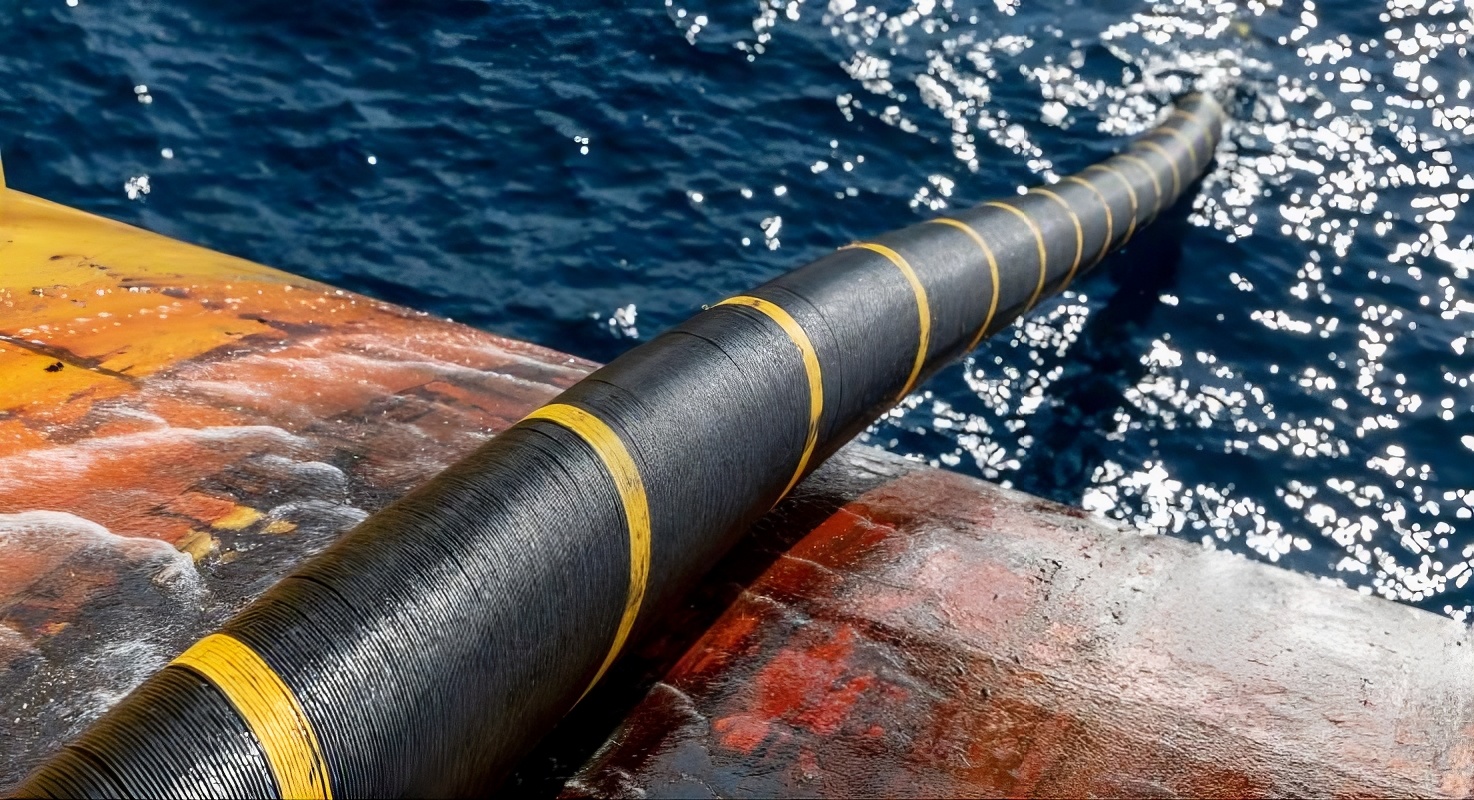
The biggest doubts about the viability and importance of the Great Sea Interconnector (GSI) have always been expressed by the Christodoulides government, which is bizarre considering it is a project that it had signed an agreement to implement, even committing to paying €25 million a year towards it. It has refused to honour the agreement by making this payment, which was due this year.
The biggest doubter is Finance Minister Makis Keravnos, who, whenever he is asked about the project, expresses the view that it is not viable. He was at it again at the House on Tuesday, saying that the €1.9bn estimated cost of the project only covered the subsea cable while not taking into account insurance, maintenance and warehouse costs. Without updated financial data, the government could not take a decision about investing in the project, as this could impact public finances, he said.
To back his opposition to the project, the minister cited a 2017 study by the Cyprus energy regulator which found that the cost to the consumer for the operation of GSI would be 3.7 cents per KW/hour. He also referred to a due diligence study by a US firm in 2024 saying that the project carried significant financial risk and inadequate profitability. Were all these arguments used against the project, which his government had indicated it was going ahead with, merely to make it clear that, if the viability study being carried out was not positive, the state would not invest in the project?
There were mixed signals at the House meeting as Energy Minister Michael Damianos, avoiding his ministerial colleague’s negativity, explained that this was a project for energy security rather than for bringing down energy costs. It was of geopolitical importance for Greece, Cyprus and Israel, he said, adding that, if the cost was too high, investment from other sources would be found. Interestingly Keravnos was also at odds with the previous energy minister, Giorgos Papanastasiou, about the project.
This public disagreement between ministers about the project indicates that the government does not really know what it is doing, even though President Christodoulides appeared to have given his full backing to GSI, after the news that giant French investment group Meridiam had taken over two thirds of the shareholding in the project from Greece’s Admie. More importantly, Meridiam specialises in big infrastructure projects.
So why does Keravnos insist on sending negative signals, even before the viability study about GSI has been completed? Was it not possible for him to tell the House that any decision about the project would be taken by the government, after it has studied the viability report which was not yet completed? Surely the government must present a united front, instead of having two ministers taking conflicting positions at the same meeting.





Click here to change your cookie preferences