
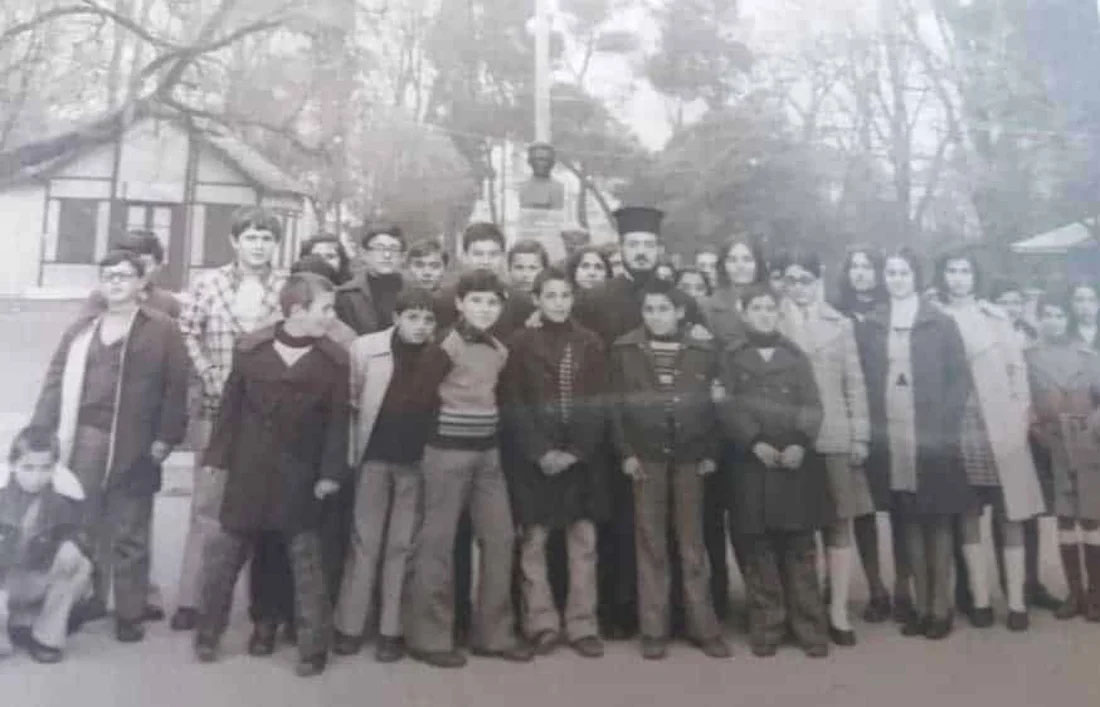
The number of unaccompanied children evacuated to Greece between 1974 and 1979 may have exceeded 5,000, more than double the 2,000 officially recorded, the House refugee committee heard on Tuesday.
Head of the Children that were hosted in Greece in 1974 group, Andreas Theodosiou told the committee that official records placed the figure at 2,000, but said the association’s own research pointed to a considerably higher number.
Theodosiou attributed the discrepancy to children who left Cyprus informally at the time, taken by parents, relatives or others seeking to escape conditions following the Turkish invasion, without being formally registered.
He said his group had been working to identify such individuals through its own research.
He told the committee the first group of children departed for Greece on September 21, 1974, with official records showing 192 children aboard.
According to the association’s findings, however, the real number “may have exceeded 600.”
Children from that period were sent to villages in the Peloponnese, suburbs of Athens, as well as Thessaloniki.
Theodosiou said the association had presented additional findings to the committee that remained under documentation and could not yet be made public.
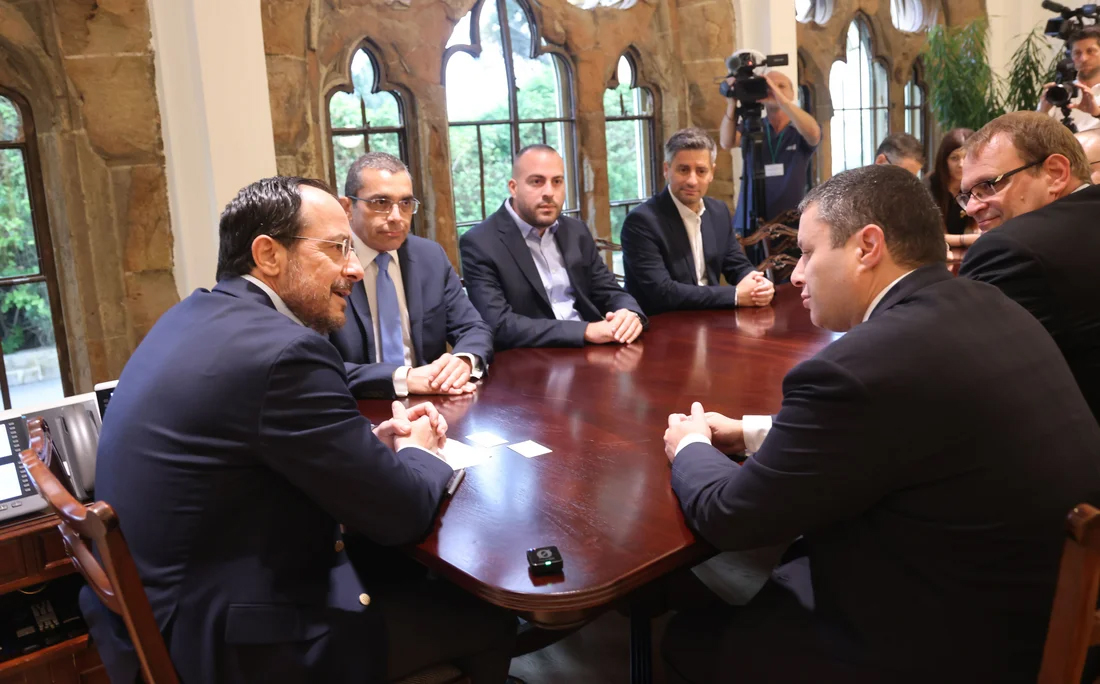
Committee chairman and Akel MP Nikos Kettiros commended the association for having carried out “significant work” in both Cyprus and Greece through school visits and public events aimed at raising awareness of this “chapter of Cypriot history”.
He said the association was also planning a museum dedicated to “the child of 1974”, intended to cover the experiences of minors affected by the war, including those of missing persons and victims of rape.
Kettiros said the committee would continue to support the association alongside other groups representing survivors and victims of the invasion.
Alma MP Litsa Drousiotou said no complete official record or verified figure existed for the number of unaccompanied children hosted in Greece during the period.
She said this part of Cypriot history remained “largely unknown to the public” and insisted that the state bore responsibility for making it known to younger generations.


Click here to change your cookie preferences