
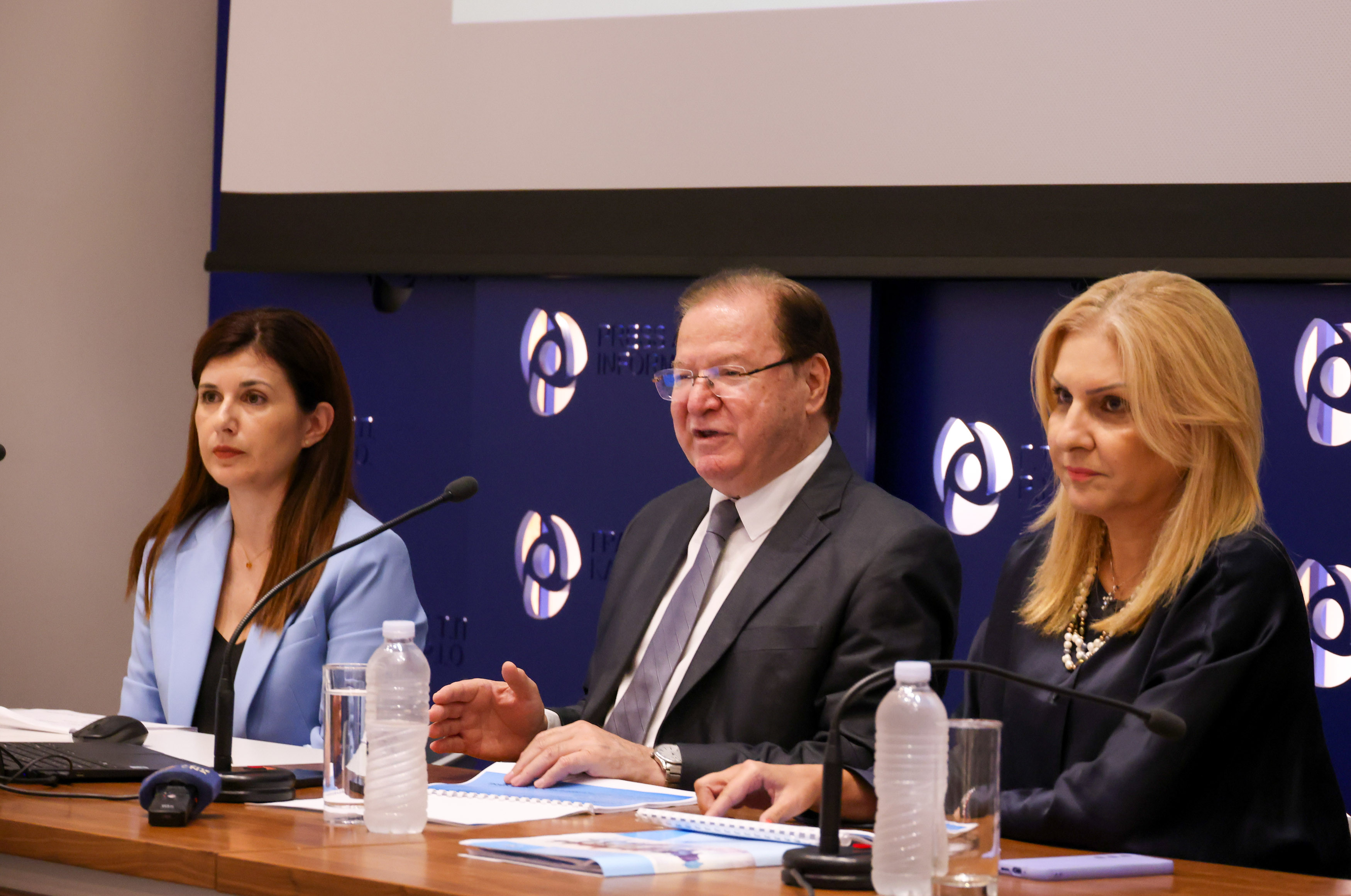
A doctor working in Germany allegedly holds large swathes of Turkish Cypriot property, farms the land and receives agricultural subsidies, House refugee committee chair and Akel MP Nikos Kettiros revealed on Tuesday.
Kettiros said a complaint had recently been brought to him concerning the doctor, who is not a Greek Cypriot refugee, and called for the case to be investigated by the relevant authorities.
“This is unacceptable and must be investigated now,” Kettiros stressed, saying the complaint concerned both the person allegedly holding and exploiting the property and his father, a civil servant who allegedly manages it.
He confirmed that he could provide the location of the land in question to the competent services for investigation.
Kettiros said complaints had repeatedly emerged over the management of Turkish Cypriot properties and warned that inadequate and inconsistent controls could allow people to exploit the system.
The committee was also told of complaints that some beneficiaries receive preferential treatment when repairs are allocated, while others wait two or three years.
Kettiros called for a transparent and digitalised system under which applicants could see when their request was submitted and when repairs were due to take place.
Disy MP George Lysandrides said the service faced difficulties recruiting technicians and called for greater use of private contractors to accelerate repairs.
He also called for the unit prices used to calculate repair work to be increased to reflect current costs.
Diko MP Adamos Aspris called for an increase in the service’s budget and expedited property inspections so that suitable homes could be identified and allocated to beneficiaries.
He said thousands of beneficiaries were waiting for repairs, often for years, and called for greater transparency over the order in which work was carried out.
Direct Democracy MP Demetris Souglis alleged that officials of the Turkish Cypriot property management service themselves owned plots and homes, saying this could disadvantage genuine beneficiaries.
He called for an investigation into such ‘serious irregularities’.
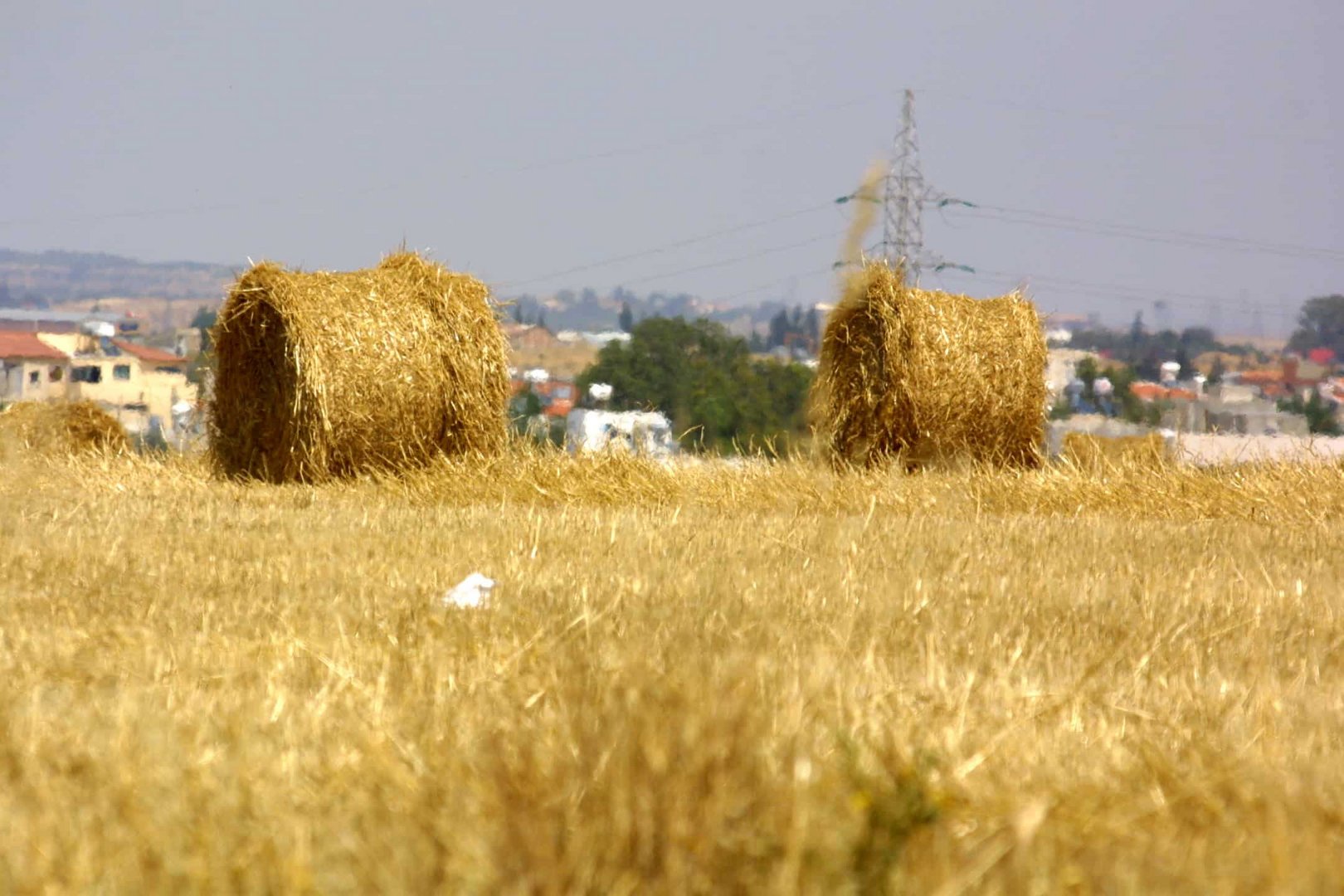
The complaint echoes ealier concerns over the management of Turkish Cypriot agricultural land, for in areas such as Polis Chrysochous, non-refugee farmers have cultivated thousands of acres of Turkish Cypriot land while receiving agricultural subsidies.
Under new arrangements set out by the interior ministry, farmers using such land must have written agreements to establish their eligibility for subsidies, with non-compliance potentially resulting in the loss of payments.
Agricultural land has also proved difficult to monitor due to absentee beneficiaries and arrangements that can continue after the death of the original cultivator.
Kettiros has previously raised cases in which land was used by people who were not the registered beneficiaries.
Turkish Cypriot properties were placed under state guardianship after the Turkish invasion of 1974, with the government allocating abandoned homes and land to Greek Cypriot refugees, although subsequent reforms allowed some properties, particularly in isolated villages, to be leased to non-refugees under specific conditions.



Click here to change your cookie preferences