
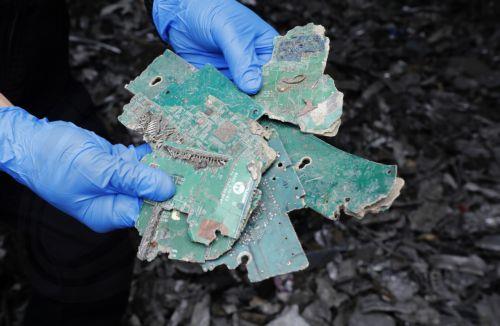
At 4.7 kg, Cyprus recorded the lowest amount of electrical and electronic equipment waste collected per capita in the EU in 2024, according to findings published by the European Union’s statistical service Eurostat on Wednesday.
After Cyprus, the lowest quantities of e-waste collected were recorded in Portugal, 6 kg and Malta, 6.4 kg respectively.
The highest quantities were recorded in Bulgaria, at 18.9 kg per capita, the Czech Republic, at 17.8 kg, and France, at 17.7 kg.
Meanwhile an average of 12.3 kg of electronic waste and equipment was collected per inhabitant on the EU level, while the amount of new products put on the market stood at 32.4 kg on an EU-average in 2024, having increased by 79 per cent from 18.1 kg in 2015.
Eurostat said that the stark contrast between the two figures suggests an increase in the stock of electrical and electronic equipment. The latter may remain in use, be awaiting disposal, be stored in households, or end up in unmonitored waste management processes.
Overall, the quantity of electrical and electronic equipment sharply increased by 79 per cent compared to 2015, when it stood at only 18.1 kg.
According to Eurostat’s findings, the key driver for this development were large appliances such as washing machines, dishwashers and photovoltaic panels.
In 2024, a total of 15.4 kg of new electrical and electronic equipment was placed on the Cypriot market per inhabitant – one of the lowest quantities in the EU.
Similarly low figures for the supply of new equipment were recorded in Slovakia with 17.5 kg and Greece with 18 kg per inhabitant.
Eurostat highlighted that in all evaluated countries, the weight of electrical and electronic equipment placed on the marked outweighed the amount of e-waste collected.
In Spain, a total of 36 kg of equipment per inhabitant was placed on the market while 9.3 kg of waste was collected, while in Germany 38 kg of new equipment compared to 11 kg of collected e-waste, making the quantity of equipment placed on the market more than three times that collected as waste.





Click here to change your cookie preferences