
Cooperation should bring security, investment and technology opportunities while leaving Nicosia free to pursue its own foreign policy
Closer cooperation between Cyprus and Israel should strengthen the Republic’s security and economic independence without limiting its foreign policy or creating new dependencies, Israeli strategic analyst Shay Gal has told the Cyprus Mail, as relations between the two countries continue to expand across defence, energy and political cooperation.
The relationship has taken on greater significance in recent weeks, with Cyprus purchasing a second offshore patrol vessel from Israel, while new parliamentary initiatives aimed at strengthening bilateral ties have also emerged.
Gal, founder of strategic advisory firm Line of State and former vice president of external relations at Israel Aerospace Industries, is also an incoming member of the advisory board of Cyprus-based think tank Strategy International, said that the relationship should be built around shared interests while preserving Cyprus’ ability to make its own decisions.
“Cypriot sovereignty strengthens Israel’s security. Respect for the Republic’s territorial integrity underpins our partnership,” he said.
Asked how Nicosia could maintain its traditional diplomatic relationships with Arab countries while deepening cooperation with Israel, Gal described those relationships as an asset rather than an obstacle.
“Cyprus’ Arab relationships are a diplomatic asset. Defence cooperation with Israel belongs alongside them,” he said, adding that closer ties must expand Nicosia’s reach without restricting its choices.
He also acknowledged that friendship with Israel did not require agreement with every Israeli policy, stating his support for a secure Israel alongside a sovereign, demilitarised Palestinian state and a reunited Republic of Cyprus. “Israel benefits from a neighbour whose relationships extend beyond our own and whose voice carries weight because it speaks for itself,” he added.
Explaining his position, he said: “Friendship with Israel does not require endorsing every Israeli policy.”
Gal proposes mutual assistance agreement
On defence cooperation, Gal advocated a formal mutual assistance agreement that would establish clearer commitments between the two countries in the event of a regional crisis.
“A mutual assistance agreement will commit Israel to defend the Republic of Cyprus against a Turkish attack, even if Israel itself has not been attacked,” he said.
His proposal envisages intelligence sharing, early warning, air defence, cyber security, emergency supplies and potentially direct military assistance. Gal stressed that both countries would retain authority over their national policies, while any arrangement would need to establish the responsibilities and limits of cooperation in advance.
“Both governments will define the protected interests, obligations and exceptions,” he said, adding that “Israeli assistance complements Europe’s obligations; it does not discharge them.”
Asked whether a future rapprochement between Israel and Turkey could weaken Israel’s partnerships with Cyprus and Greece, Gal argued that improved relations with Ankara should not come at their expense.
“Israel’s commitment to Cyprus and Greece will endure whether or not Turkey changes course. Their sovereignty will never become the price of rapprochement with Ankara.”
He said full normalisation should require changes in Turkish policy, including an end to the occupation of northern Cyprus, severing ties with Hamas, ending threats against Greece and respecting maritime rights.
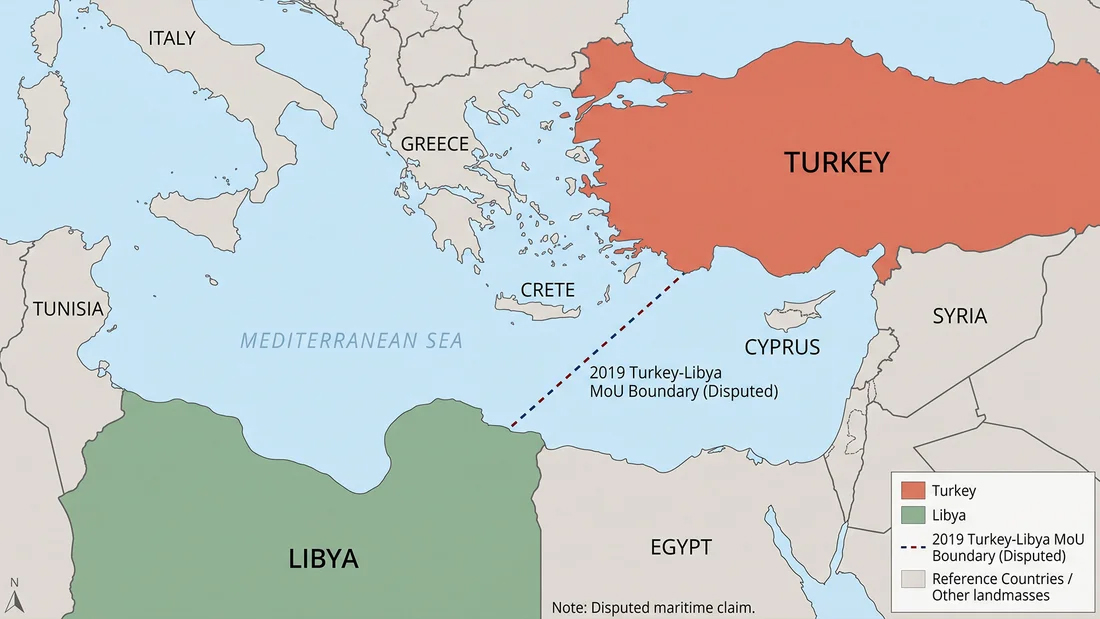
His comments come amid renewed tensions over the Turkey-Libya maritime agreement, following its approval by Libya’s eastern parliament on October 20, seven years after it was originally signed.
Cyprus and Greece rejected the move, arguing that the agreement violates the sovereign rights of third countries and disregards the maritime rights of Greek islands. The European Union also reaffirmed its position that the memorandum is null and void, while Israel also condemned the development.
Gal referred directly to the issue, arguing that Ankara could not pursue normalisation while continuing policies he regards as coercive. He also maintained that regional infrastructure should reduce dependence on Turkish-controlled transport and energy routes, even if relations between Israel and Turkey improve.
“Reconciliation does not require rebuilding the dependencies that made coercion possible,” he said.
Great Sea Interconnector and defence industry
The Great Sea Interconnector, intended to link the electricity grids of Cyprus, Greece and Israel, remains another example of how regional political disputes can affect shared infrastructure.
Turkish Foreign Minister Hakan Fidan said Ankara would not object to planned seabed surveys between Crete and Cyprus, provided Turkey received written notification beforehand, highlighting the continuing sensitivities surrounding the project.
“The Great Sea Interconnector tests Europe’s ability to protect its own decisions. Threats cannot become a licensing authority,” Gal said.
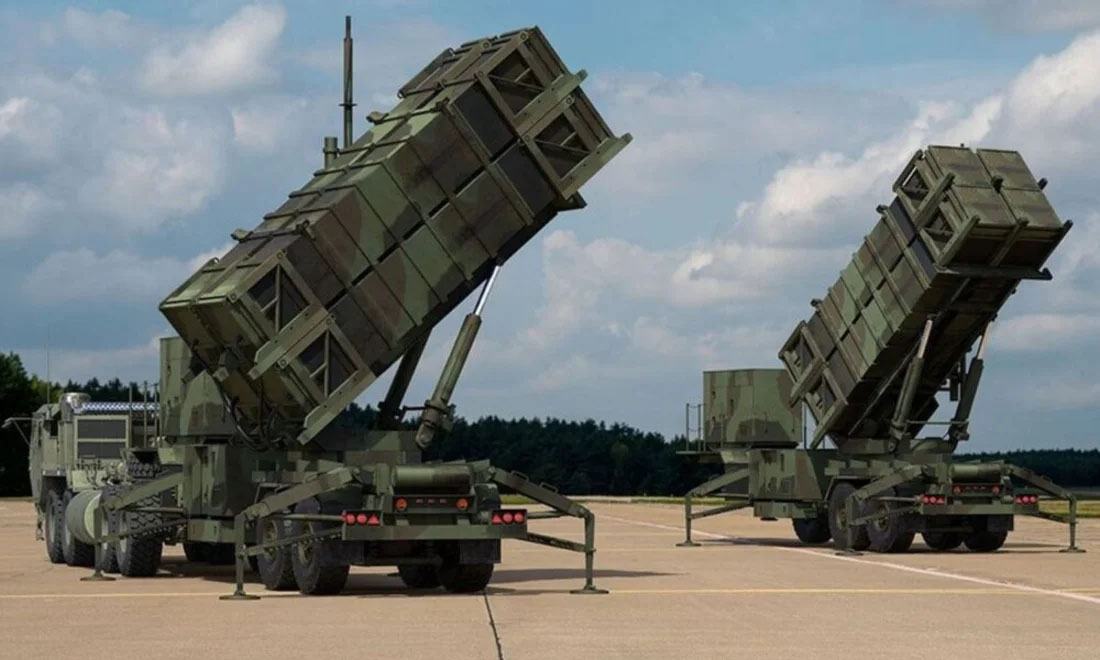
On Cyprus’ acquisition of Israeli defence systems, including BARAK MX, Gal argued that purchasing advanced equipment should also create opportunities for technology transfer, local production and joint development, allowing Cypriot companies to benefit from cooperation rather than simply supplying the domestic market with imported systems.
“Cypriot engineers must help define requirements, develop solutions and deliver upgrades,” he said, identifying software, secure communications, sensors and simulation as areas where local expertise could be developed. Cooperation with Israeli and Greek industry, he added, could open new markets for Cypriot firms and create skilled employment.
“Cyprus’ defence must remain effective when its partners are themselves at war. Operational authority belongs in Nicosia,” he said, stressing the importance of local maintenance capabilities, technical expertise and reliable supplies, particularly during emergencies.
Investment and security costs
Beyond defence and energy, Gal also addressed Israeli investment in Cyprus, particularly concerns about property ownership, housing affordability and whether foreign investment benefits local communities.
“Investors assess individual transactions. Governments answer for their cumulative impact. That principle governs investment from every country, including Israel,” he said.
He argued that investment should create opportunities for Cypriot businesses and residents rather than simply increase property values.
“Housing affordability is part of economic performance. Rising property values alone cannot establish that a community is prospering.”
The growing visibility of Israeli interests in Cyprus has also extended to sport, with Maccabi Tel Aviv’s decision to host EuroLeague home games in Limassol raising questions about security arrangements, policing resources and the responsibilities of the visiting club.
Asked whether Cyprus should bear the additional security costs, Gal argued that hosting arrangements must clearly establish who is responsible for what, while ensuring that public security remains under Cypriot control.
“Maccabi and the EuroLeague must fund agreed shares of the additional security costs,” he said, adding that any public contribution should be justified, budgeted and disclosed.
“Cypriots are entitled to know who carries each responsibility and how disruption will be managed. Security plans may remain confidential. Financial obligations must be transparent.”
Parliamentary links and Israel’s political future
The political dimension of the relationship has also expanded, with the Cyprus Mail recently reporting the establishment of separate parliamentary initiatives involving Transatlantic Friends of Israel and the Israel Allies Foundation.
Asked about the distinction between parliamentary diplomacy and political lobbying, Gal said such relationships could be beneficial, provided they remained transparent and did not compromise the independence of elected representatives.
“Elected representatives answer to their own electorate. External affiliations cannot override that mandate or bind their judgement to an organisation’s agenda.”
He called for disclosure of funding, sponsored travel and potential conflicts of interest, adding that “Friendship abroad grants no exemption from accountability at home.”
Asked what the Israeli October 27 parliamentary election result could mean for relations with Cyprus, Gal said: “Preliminary results give parties opposing another Netanyahu government a Knesset majority, including 19 seats held by Arab-led parties. That is not yet a governing coalition, but those seats count in full.”
He stressed that every parliamentary seat carries equal weight, while distinguishing a change of government from a change in Israel’s long-term interests.
“Elections may change Israel’s government, not its interests,” he said, pointing to Turkey’s military presence in Syria and northern Cyprus, its Aegean claims and its ties to Hamas. “Netanyahu helped forge the partnership with Greece and Cyprus; Bennett and Lapid advanced it. Israel needs both countries no less than they need Israel.”
Gal also saw scope for a new Israeli leadership to improve relations with Europe, particularly France, and argued that a demilitarised Palestinian state and the disarmament of Hamas could free military resources and strengthen European ties. In his assessment, Cyprus and Greece would benefit from a more capable Israeli partner whose commitments were supported by planning, funding and operational readiness, rather than personal relationships with individual leaders.
For Gal, the relationship should ultimately be judged by what it delivers to the people of both countries. “The measure of success is greater security and prosperity for our citizens.”


Click here to change your cookie preferences