
Employers who stay out of provident funds will be forced in within four years if too few join voluntarily, under a government proposal put to unions and employers on Monday.
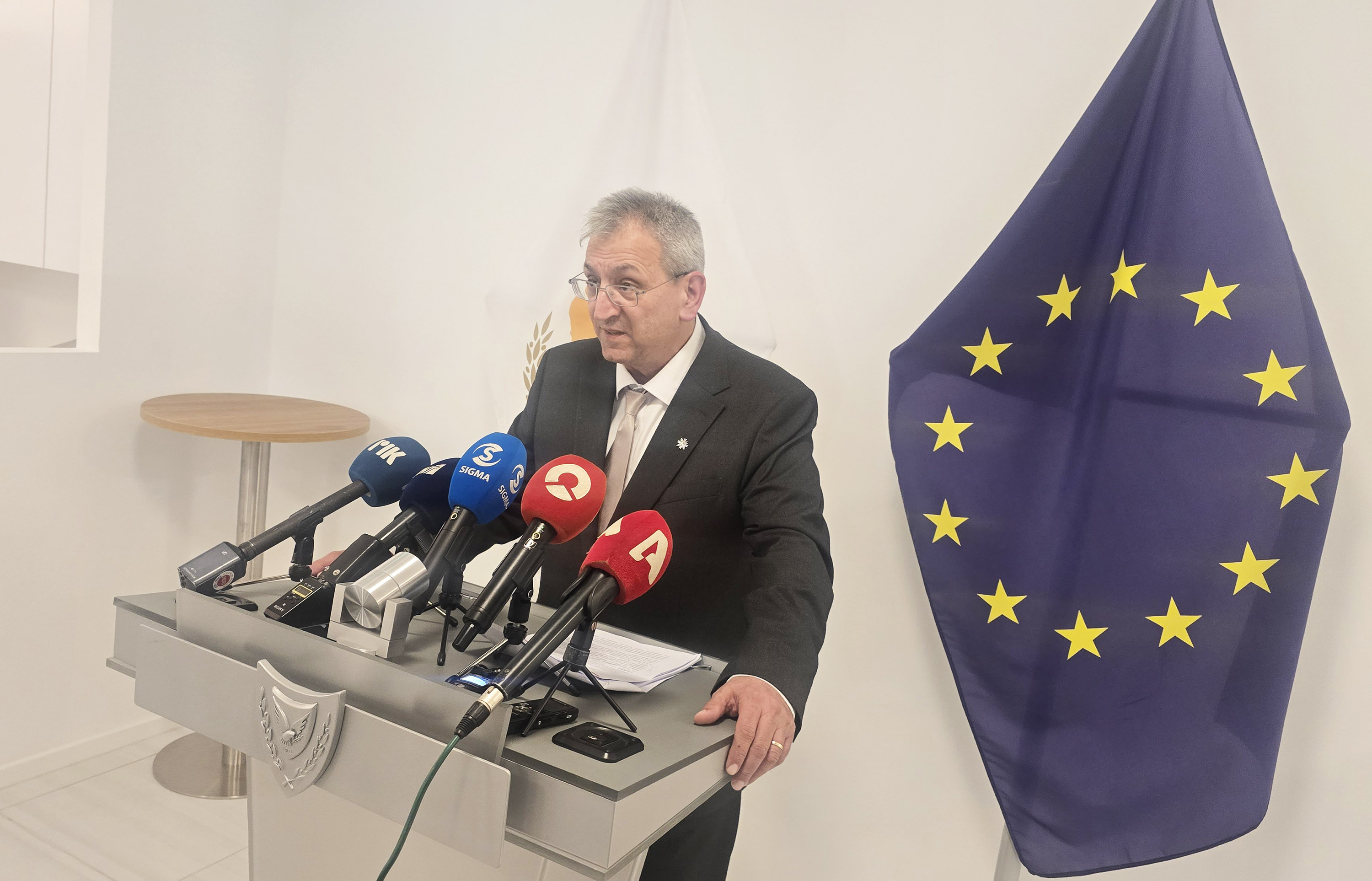
Labour Minister Marinos Mousiouttas outlined the plan to the House finance committee, during its examination of his ministry’s annual budget for 2027.
Membership would be voluntary at first, yet if provident funds do not cover 60 per cent of employees within three to four years, the government would pass a law making them mandatory.
Provident funds are known as the second pillar of pensions, that pay retired workers an income on top of the state pension.
Unions insist they must be compulsory, though employer organisations reject that outright.
Mousiouttas said the plan sought the “golden mean between the two extremes”.
Speaking to reporters after the debate, he said 50 to 60 per cent of businesses “should voluntarily join” within the period.
Scheme will convert automatically
If they do not, he said, the scheme would convert “automatically” to a mandatory one under the law.
Early joiners would receive incentives that later entrants would not, as firms forced in after the deadline would not qualify for the compensatory benefits offered at the start.
The government also wants provident funds to pay out monthly as a supplement to the pension, not as a lump sum at retirement, and opposes using their money for lending.
The proposal is separate from the main pension reform bill, which has been with the Legal Service for more than a month.
Mousiouttas said lawyers found an issue with benefits regarding disabled people as well as healthcare workers.
The matter affects people who worked in Cyprus but are not permanent residents, and including them could cost up to €100 million, he said.
Pension bill
Mousiouttas assured that the government is looking for “the right wording”, and that removing benefits from other pensioners is “not a solution”.
After the legal review, the bill goes to the cabinet and then to the House.
According to the minister, the reform would raise pensions for about 123,000 existing pensioners.
Around 50,000 would gain more than €100 a month and more than 10,000 more than €200.
Pensions of up to €600 would rise by at least €30, and a 15-year comparison clause would ensure no pensioner receives less than at present.
The retirement age stays at 65, with incentives for those who work until 67.
For people retiring at 63, the actuarial reduction would fall from 12 per cent to 7.5 per cent of the basic pension.





Click here to change your cookie preferences