Ioannis Tirkides is the President of the Cyprus Economics Society. With a long career in banking, he has held roles in economic analysis, strategic planning, and investment strategy
For more than three decades following the collapse of the Soviet Union, American foreign policy was defined by the doctrine of liberal hegemony – the conviction that the unchecked projection of ...

In an anarchic international system, small states bordering regional heavyweights operate on razor-thin margins of survival.
Neither multilateral communiqués, commercial energy concessions, nor diplomatic choreography can overturn the distribution ...
States in the international system operate in an environment of unyielding anarchy. No supreme arbiter protects a sovereign state when an existential crisis arrives. When a small state sits directly ...
Decades of emergency governance, patronage and institutional barriers have weakened civic participation and left Cyprus facing a deepening crisis of political legitimacy.
The collapse of civic participation and institutional authority ...
In an anarchic international system devoid of overarching authority to guarantee collective security, small states situated along the maritime perimeter of a regional power inhabit an inherently perilous universe. Because ...
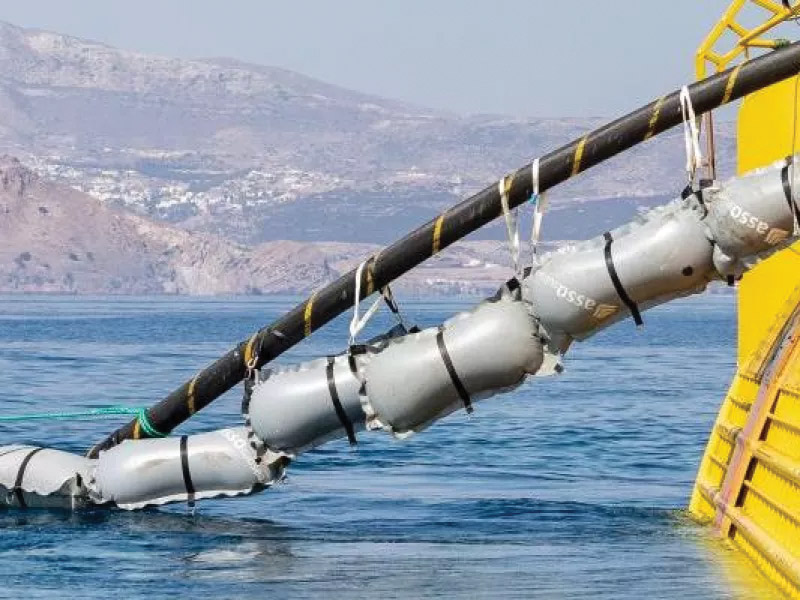
The geopolitical contest for strategic primacy across the Levantine Basin has now converged upon the seabed, centred on the execution of the Great Sea Interconnector.
Conceived as a 1,208-kilometre high-voltage ...
The collapse of the 2017 Crans-Montana conference remains the defining strategic blunder of modern Greek Cypriot statecraft, illustrating the fatal flaw of relying on legalistic paper promises in an era of ...
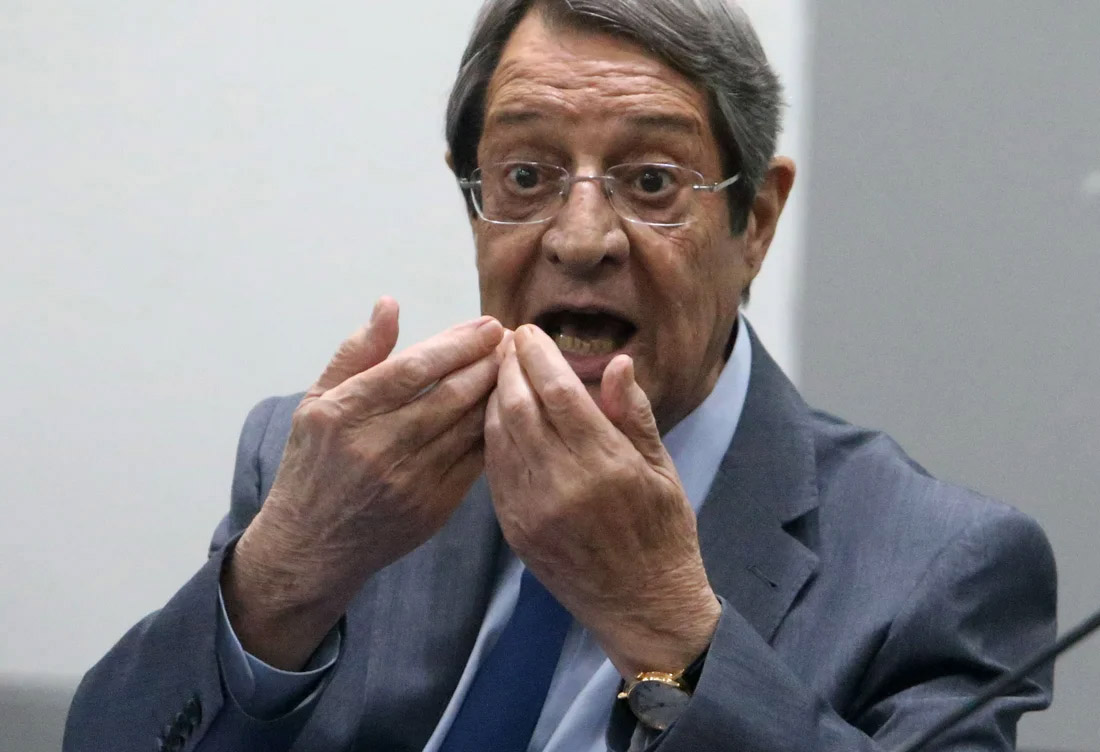
In late August 2026, former President Nicos Anastasiades delivered an address over the state-run Cyprus Broadcasting Corporation that fundamentally unsettled the country’s political landscape.
Ostensibly arranged as an elder statesman’...
Driven by escalating sovereign debt, domestic fiscal constraints, and a strategic pivot toward peer competition in East Asia, the United States has transitioned to an offshore balancing posture across the ...
A political order represents an overarching framework extending far beyond routine election cycles.
Within its architecture, a dominant vision of political economy dictates how state authorities and private actors perceive ...
The geopolitical landscape of the Eastern Mediterranean is undergoing a fundamental transformation, driven by escalating regional conflicts and shifting energy alliances.
Nearly a decade after the collapse of the 2017 Crans-Montana ...
The decades-long effort to resolve the Cyprus problem has reached a definitive turning point. Years of frozen diplomacy and shifting Eastern Mediterranean geopolitical dynamics have transformed a historical stalemate into ...
Cyprus’ modern history is defined by missed diplomatic opportunities, ideological blindness and the cold calculations of regional powers. Since 1974, the events leading to the island’s partition have been clouded ...
For nearly a decade since Crans-Montana, Greek Cypriot leaders have operated under the illusion of a risk-free status quo. However, UN envoy María Angela Holguin has shattered this complacency, ...
The narrative that presents Cyprus’ bid to join Schengen as merely ‘fulfilling EU obligations’ is a dangerous bureaucratic fantasy.
In international politics, Nicosia’s push to bring government-controlled areas into ...
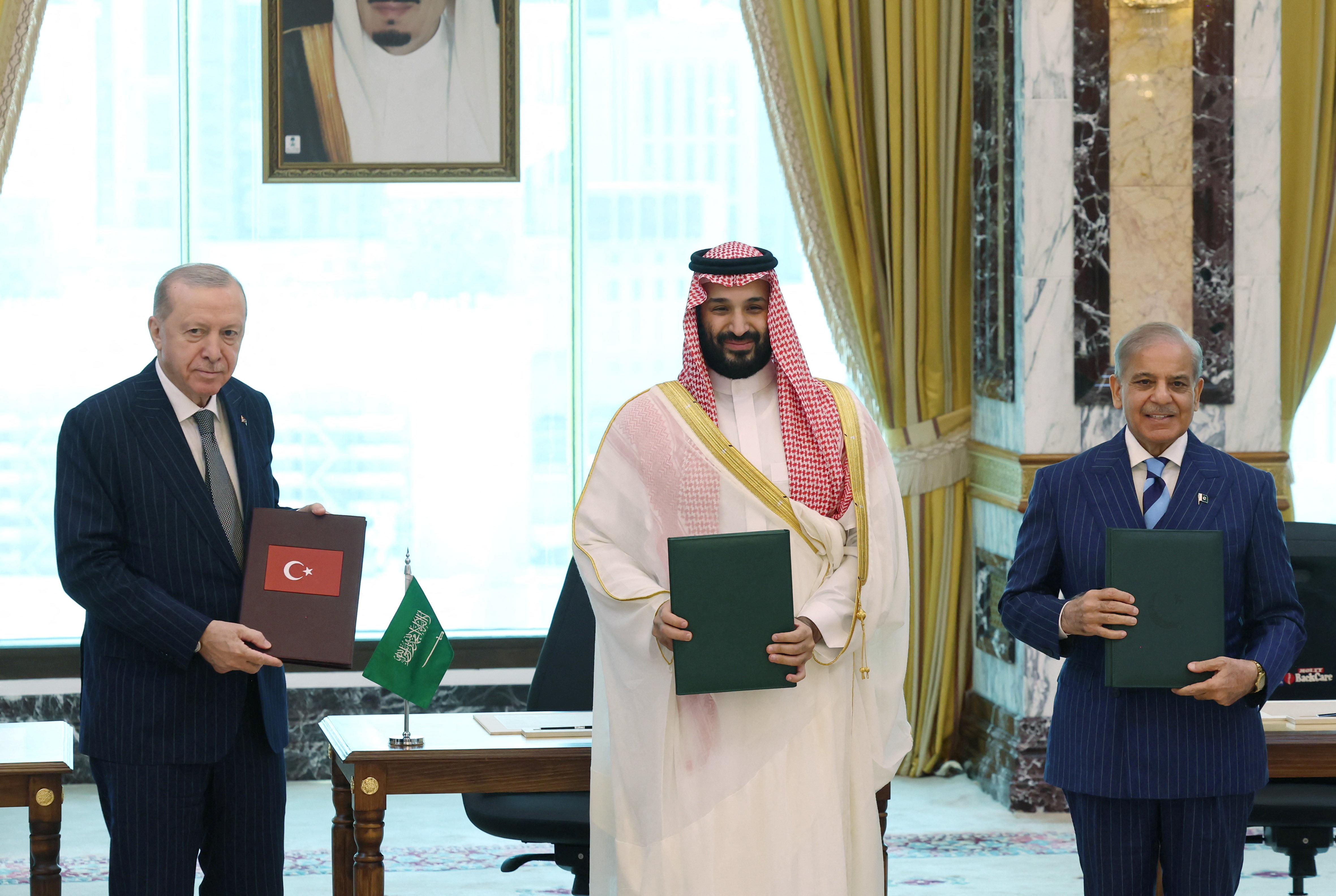
The Memorandum of Understanding (MoU), finalised at Versailles in June 2026 following mediation in Islamabad, marks a fundamental turning point in global affairs.
While the agreement appears to halt a devastating ...
The geopolitical chessboard of the Eastern Mediterranean is a harsh, unforgiving arena where the survival of smaller states depends entirely on a cold, pragmatic calculation of the regional balance of ...
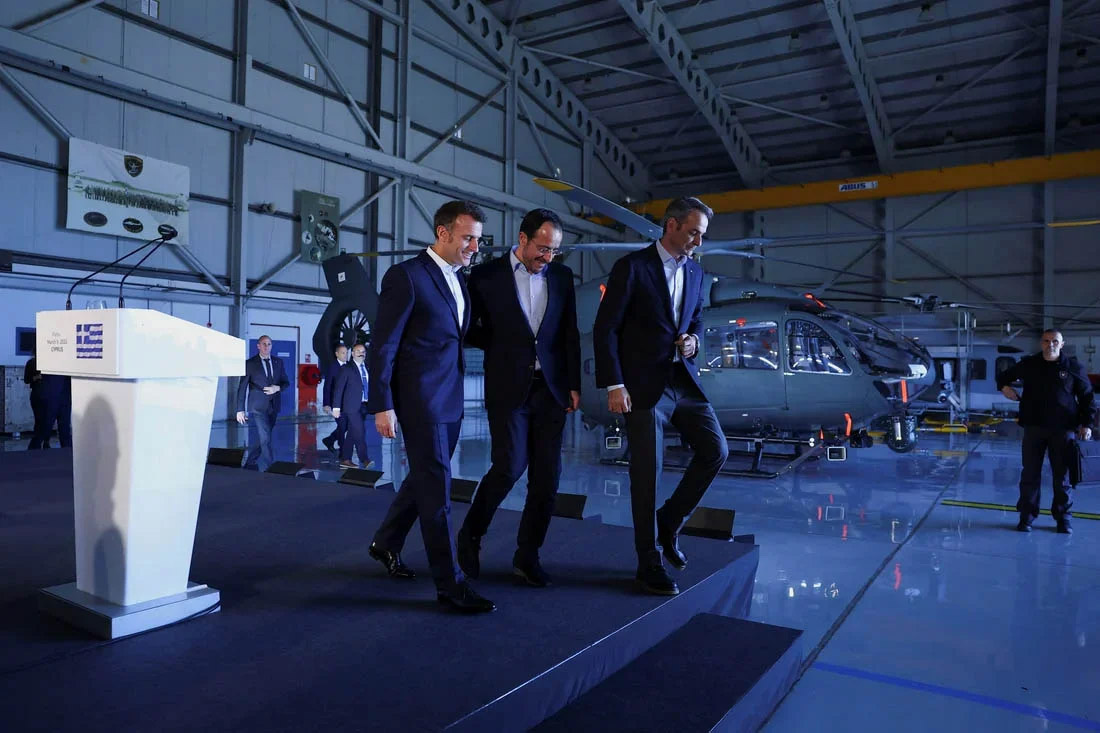
The June 2026 Status of Forces Agreement (SOFA) between Cyprus and France, and the 2024–2029 US–Cyprus Defence Roadmap, mark a radical departure from Nicosia’s historic military neutrality. While Cyprus hopes ...
Scheduled for a 2029 debut, the digital euro is designed to fundamentally redefine European finance as the digital twin of physical cash.
Functioning as the third pillar of the European monetary ...
The global governance landscape in 2026 is increasingly defined by a “rule of law recession,” forcing a severe institutional reckoning within the Republic of Cyprus as well. While Cyprus maintains the ...
The 2026 Iran War marks a turning point in modern geopolitics and shows how the West’s attempts to maintain dominance through military intervention destabilise the region, hastening the rise of ...
In a previous article, we examined the concentration of power and erosion of democracy in Cyprus. This article advances that discussion, focusing on the 2025 Democracy Index from the Economist Intelligence ...
The Republic of Cyprus is currently at a significant constitutional juncture. The legislative debate on amending Article 17 of the Constitution, which guarantees the secrecy of correspondence, for a new surveillance ...
The escalating conflict involving the United States, Israel, and Iran has transcended a localised military intervention to become a systemic disruption of the global order. International observers now reach a ...