
Nobody appeared to have been expecting the Hamas attack on Israel on Saturday morning, but even more surprising seems to have been the ease with which the Hamas gunmen cut through the border fencing and entered Israeli territory. What followed – the massacre of 260 young festival-goers and hundreds of others and the kidnapping of women and children – was even more shocking, and drew universal condemnation.
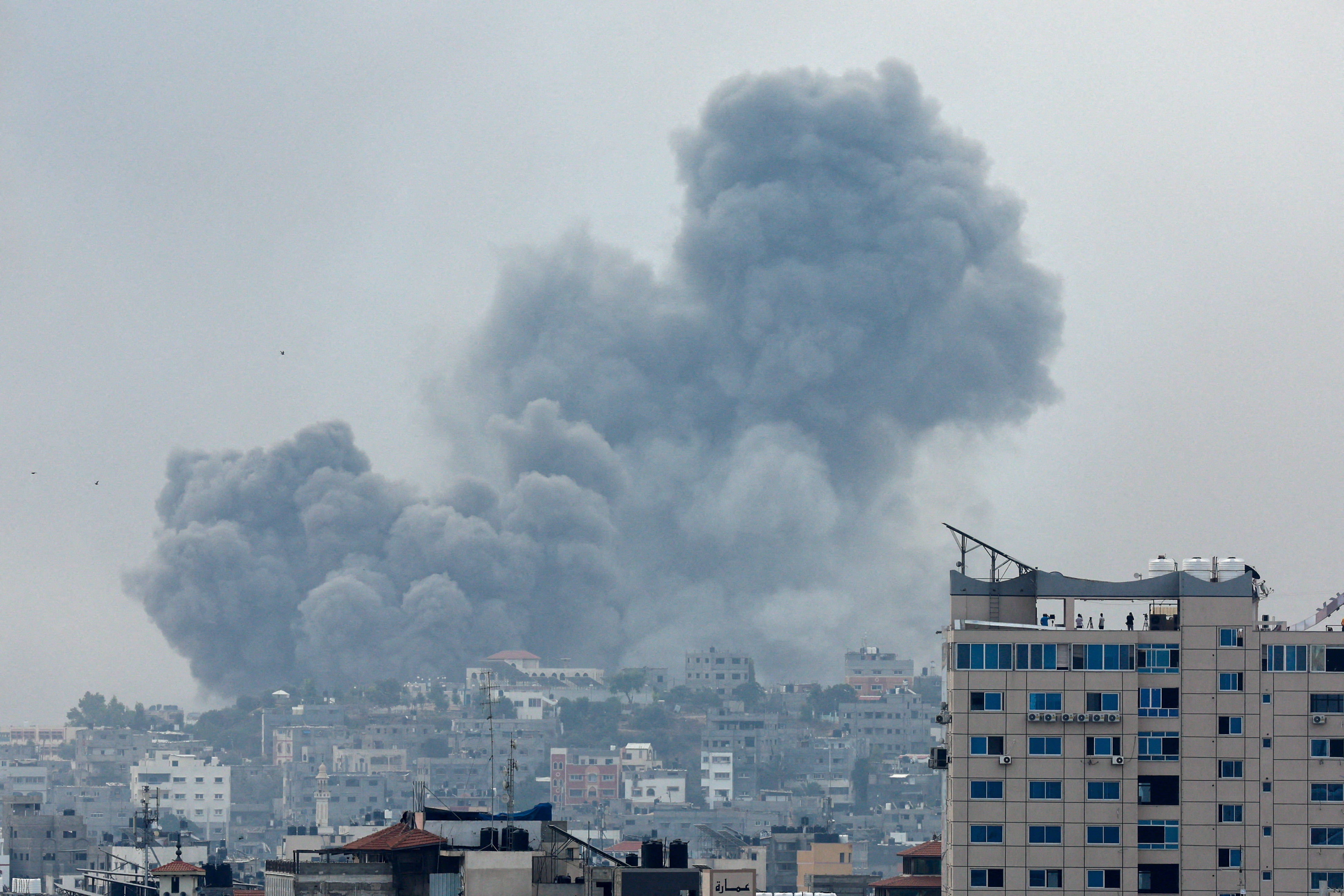
Some 700 people in Israel were killed in the attack while Israel’s retaliatory air strikes caused the death of some 500 people in Gaza. The rocket attacks from Gaza continued on Monday with explosions heard in Jerusalem, while the Israel defence ministry ordered a ‘complete siege’ of Gaza Strip where food, fuel, electricity and water from Israel have been cut.
Although Prime Minister Benjamin Netanyahu warned Israelis to brace themselves for a long war, it was difficult to understand what he was basing this forecast on. Hamas does not have unlimited amounts of rockets to fire at Israel, nor any way of securing more supplies, while the siege combined with air-strikes are certain to restrict its ability to fight, not to mention the devastating consequences they will have on the lives of the more than two million people in Gaza.
What was Hamas trying to achieve with this unprecedented attack? There has been speculation that Iran had coordinated the attack so as to thwart the normalisation of relations between Israel and Saudi Arabia. But other analysts suggest that a major escalation between Israel and Palestine was already under way, with a dramatic rise in Palestinian casualties in the West Bank, intensified settler attacks and changes to the status quo of the al-Aqsa mosque in Jerusalem.
Another explanation was that Hamas is trying to force Israel into talks about the future of Gaza, but what were the chances of Israel’s hard-right government agreeing to negotiations? After the weekend attacks, negotiations do not seem an option. If anything, the horrific attacks would have encouraged the extreme right to increase the calls for an escalation; one cabinet minister demanded “cruel” retaliation while Netanyahu threatened indiscriminate bombing against Hamas and called on Palestinians to leave Gaza. Where would they go?
What happens now, who can say? In Israel there are calls to reoccupy Gaza, which Israeli troops left some 30 years ago, and end Hamas’ hold on power. The Netanyahu government will also come under public pressure to ensure the safety of some 100 Israeli hostages being held in Gaza. This can only happen if there were some form of negotiations with Hamas, which would demand the release of hundreds of Palestinians held by Israe, in exchange. At present it does not seem a viable option.
The air strikes against Gaza are set to continue and the siege will make the existence of Palestinians living there even more difficult than they had been before Saturday. But where things will lead nobody can say.





Click here to change your cookie preferences