
By Dina-Perla Portnaar
What I’ve come to understand, now that I live in Paphos, is that Cyprus functions as a condensed mirror of the modern world. What many outsiders experience as paradise is also a landscape where global inequality becomes visible. Cyprus contains extraordinary beauty alongside extraordinary economic contrast, often within the same neighborhood and sometimes within the same conversation.
I see the Cypriots who sustain their country through labour. Think of the teachers, nurses, waiters, electricians, supermarket workers, pensioners selling fruit at roadside stalls, and so on. They carry continuity. Many belong to families that have remained connected to their villages or towns, traditions and social rhythms for generations. Their relationship to Cyprus isn’t aesthetic like many influencers but existential. Cyprus isn’t an experience for them but inheritance, memory, and survival.
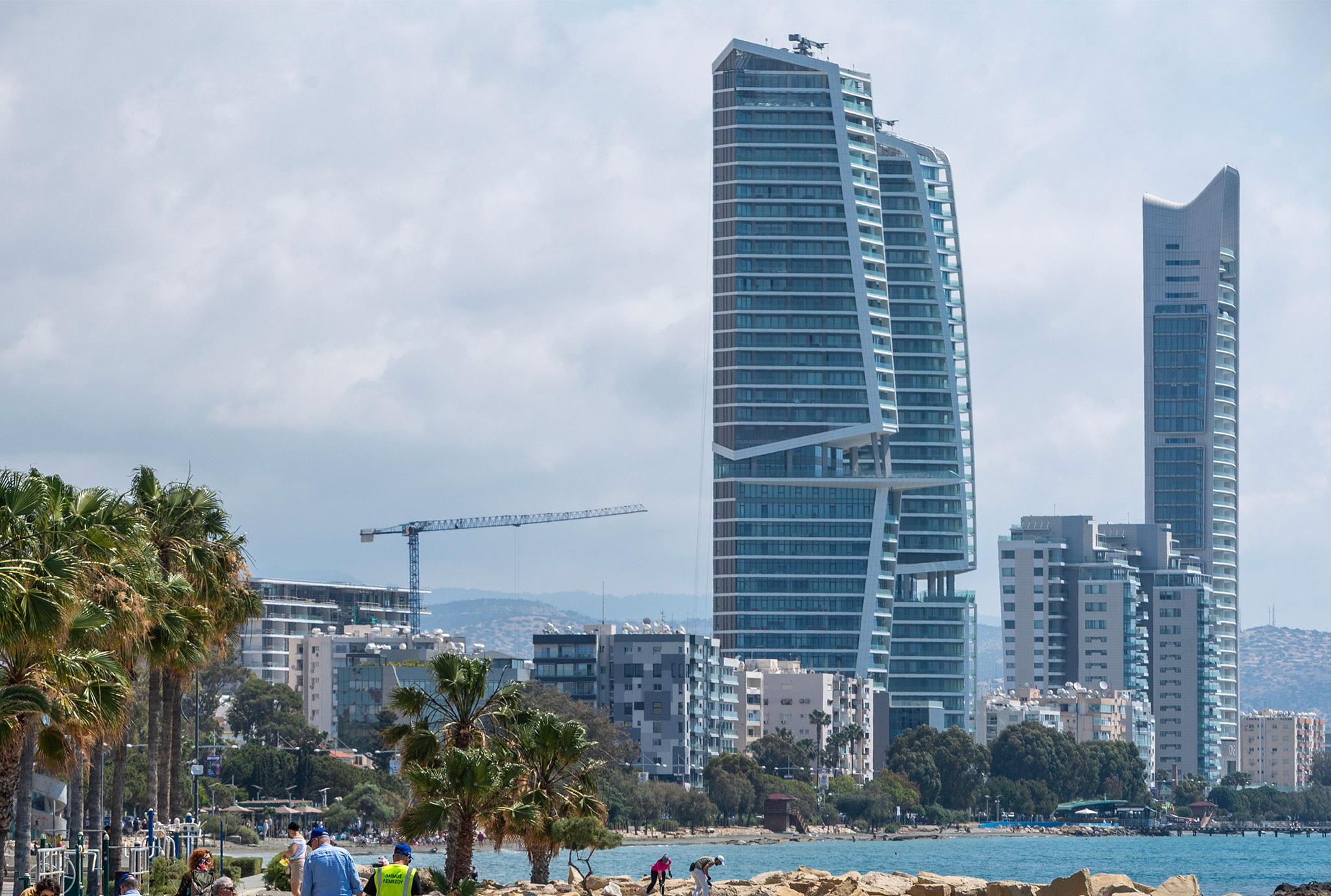
Another Cyprus rises around them. Luxury developments emerge across the coastline. Billionaires purchase villas overlooking the sea, often through international financial structures far removed from the economic realities of local households. Restaurants appear where a single dinner costs what some families spend on groceries in a week.
None of this is exceptional to Cyprus. Yet Cyprus feels particularly exposed because it already carries historical layers of fragility. This isn’t merely a tourist destination. It’s a place marked by division, displacement and unresolved political memory. Economic inequality therefore lands differently here. It enters an already psychologically complicated landscape.
I write this carefully because I’m also an outsider, yet I want to genuinely be part of Cyprus. I didn’t arrive as a wealthy investor. I’m not among the global elite purchasing coastlines as lifestyle accessories. I’m just a small business owner who worked hard for every euro I’ve earned. My move to Cyprus wasn’t motivated by money and glamour, but by health and quality of life.
Let me refer to the work of the Cypriot philosopher Stelios Ramfos, who argues that modern life increasingly pushes individuals toward functional efficiency while disconnecting them from deeper communal and spiritual structures. Reading him (I just started), I begin to understand why Cyprus affects me so differently from Amsterdam.
Northern Europe often treats efficiency as a moral virtue. I admit that it often is. Entire societies organise themselves around optimisation. There are many advantages to that. Yet something human disappears inside that process. Cyprus still resists part of that acceleration. Not entirely, because globalisation reaches everywhere eventually, but enough that another rhythm still remains visible beneath the surface. Perhaps endless acceleration isn’t just sophistication, but also anxiety disguised as progress.
Cyprus faces pressures that many locals understandably discuss with concern. Not just with the wealthy joining in, but also with the refugees and displaced populations arriving from regions fractured by war, instability and economic collapse. Many carry trauma and plans of conquest that don’t integrate into the democratic norms. These are difficult realities to discuss because modern discourse rewards either naïve idealism or harsh simplification. I so deeply wish for Cyprus to keep a healthy balance in all of this.
French philosopher Simone Weil wrote that rootedness may be the most neglected human need. Cyprus forces difficult questions about what happens when rooted local identity collides with massive global movement, financial and demographic at the same time. How does Cyprus preserve cultural continuity while also remaining humane, open and economically viable? Especially the last?
What strikes me most, however, is the dignity with which many hard-working Cypriots navigate these pressures. Rising prices, geopolitical uncertainty, and rapid social change haven’t entirely eroded the country’s sense of interpersonal warmth. That resilience deserves much more respect! As somebody arriving from abroad, I feel less interested in imposing conclusions or acting as a consultant than in learning how this society negotiates contradiction.
Perhaps that’s ultimately what I respect: Cyprus doesn’t pretend modern life is simple. It contains beauty and tension simultaneously. Wealth and hardship. Hospitality and caution. Tradition and transformation. An honest reflection of the century we are all now living through. Thus, I come with admiration, curiosity, and uncertainty in equal measure.

Click here to change your cookie preferences