
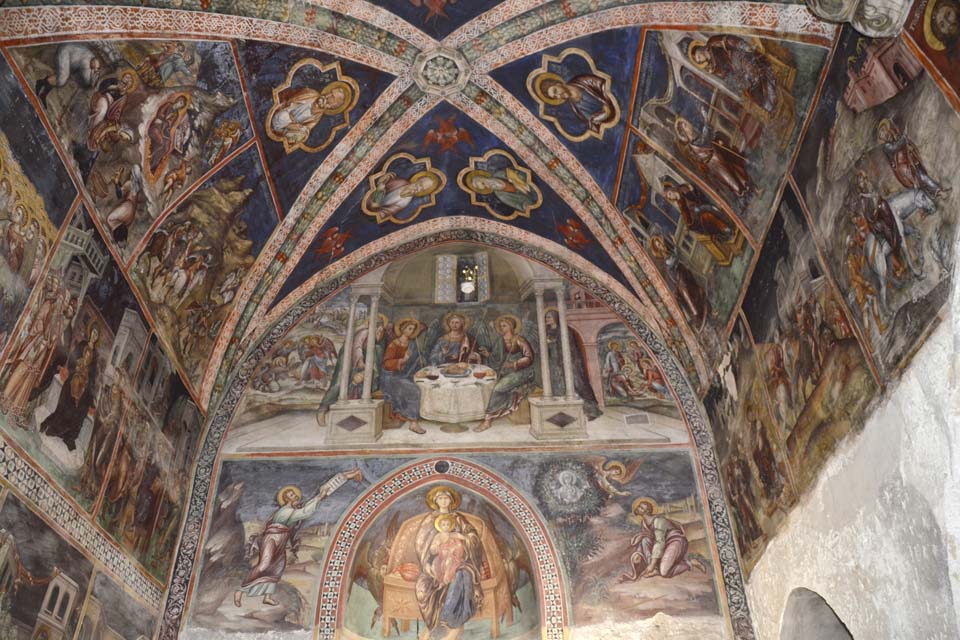
Cyprus is home to some of the most significant cultural sites in the eastern Mediterranean, several of which have been recognised by UNESCO for their universal value. From Neolithic settlements to Byzantine masterpieces and Roman-era mosaics, these locations reveal the island’s deep layers of civilisation. Whether you are a history enthusiast, an archaeology lover, or a traveller seeking meaningful cultural experiences, the UNESCO sites of Cyprus offer an unparalleled journey into the island’s past.
1 Paphos Archaeological Area
UNESCO inscription: 1980 | Criteria: (iii), (iv), (vi)
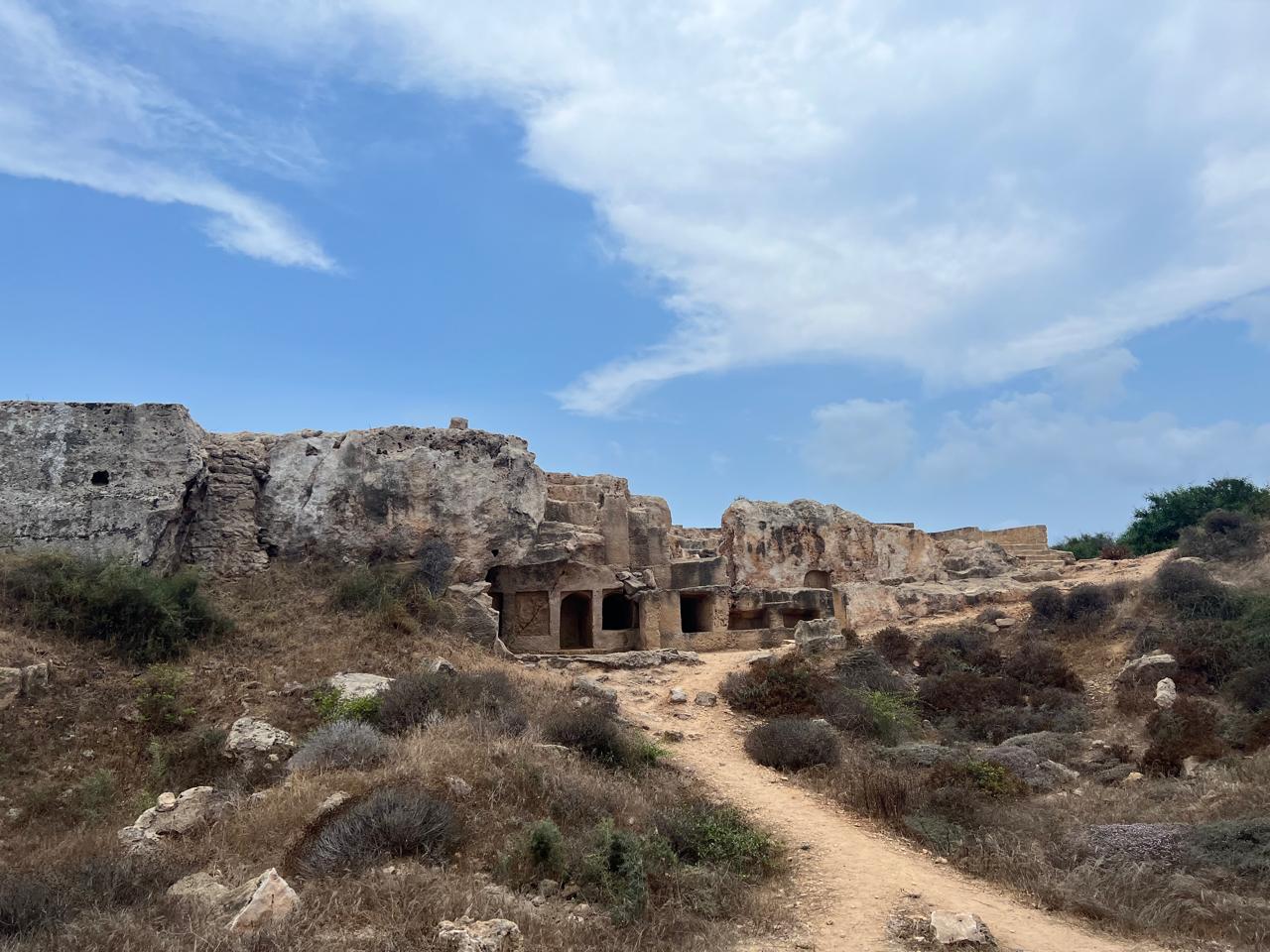
The ancient city of Paphos is one of Cyprus’s most celebrated UNESCO sites, listed for its outstanding preservation of Roman villas, mythological mosaics, and its pivotal role in Hellenistic and Roman civilisation. The site meets UNESCO criteria for representing exceptional artistic traditions (especially mosaic art) and for illustrating the interchange of Mediterranean cultures.
Why UNESCO Listed It
- Criterion (iii): The mosaics represent some of the finest surviving examples of Roman period art.
- Criterion (iv): The villas, theatres, and necropolises showcase important historical stages in urban development.
- Criterion (vi): Paphos is linked to the worship of Aphrodite and ancient religious traditions.
What to Expect
Visitors can explore large open-air archaeological spaces including:
- The House of Dionysos – renowned for colourful scenes of gods and heroes
- The House of Theseus – home to the famous mosaic of Theseus and the Minotaur
- Odeon & Agora – remnants of Paphos’s civic and cultural life
- Tombs of the Kings – monumental underground burial complexes
Visiting Tips
- Visit early morning or late afternoon to avoid peak heat.
- Bring water and comfortable walking shoes – the park is extensive.
- Guided tours or audio guides enhance understanding of mythology.
Opening Hours
Open daily, typically 8:30–17:00 in winter and extended hours in summer. Closed on major public holidays.
2 Choirokoitia Neolithic Settlement
UNESCO inscription: 1998 | Criteria: (ii), (iii), (iv)
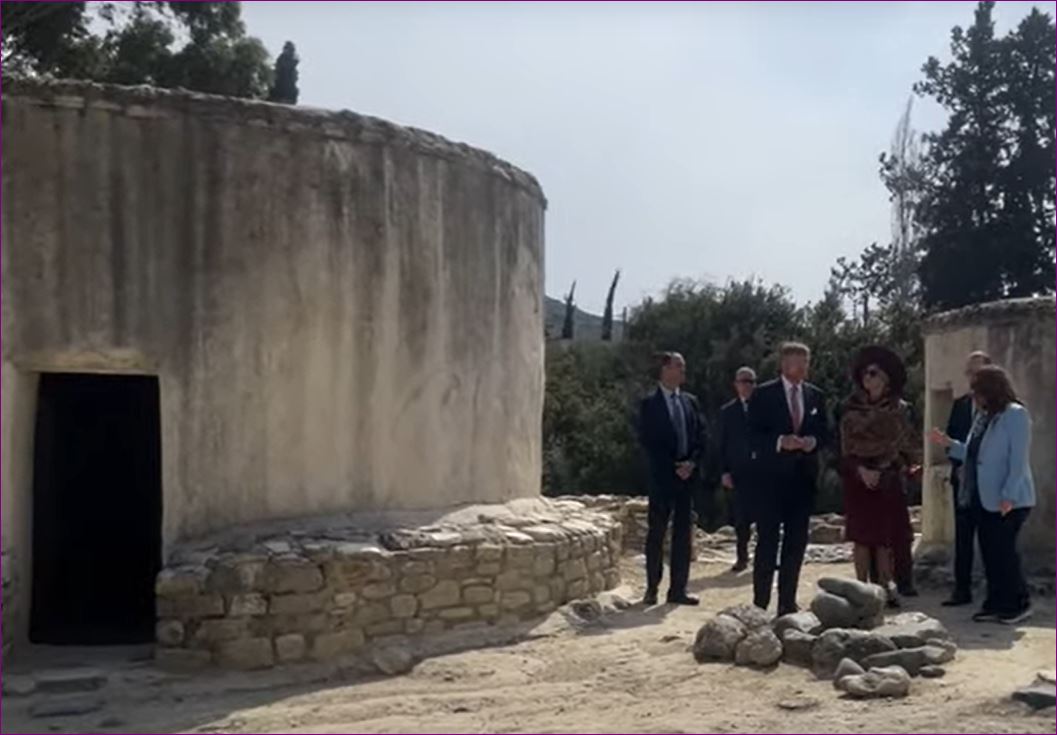
Choirokoitia (Khirokitia) is one of the most important Neolithic sites in Europe, showcasing early human settlement, agricultural life, and social organisation dating back to the 7th millennium BC.
Why UNESCO listed It
- Criterion (ii): Demonstrates early cultural exchanges and agricultural innovation.
- Criterion (iii): Offers an exceptional testimony of Neolithic civilisation.
- Criterion (iv): Preserves one of the earliest examples of a fortified village.
What to expect
- Circular stone dwellings
- Recreated huts showing ancient building techniques
- Defensive walls and burial areas
- Scenic hillside views overlooking the Maroni Valley
Visiting Tips
- The terrain is uphill; wear sturdy footwear.
- Best visited in cooler months (Oct–April).
- Read informational panels before exploring reconstructions for context.
Opening Hours
Generally open daily from morning to late afternoon, with shorter hours in winter.
3 Painted Churches of the Troodos Region
UNESCO inscription: 1985–2001 | Criteria: (ii), (iii), (iv)
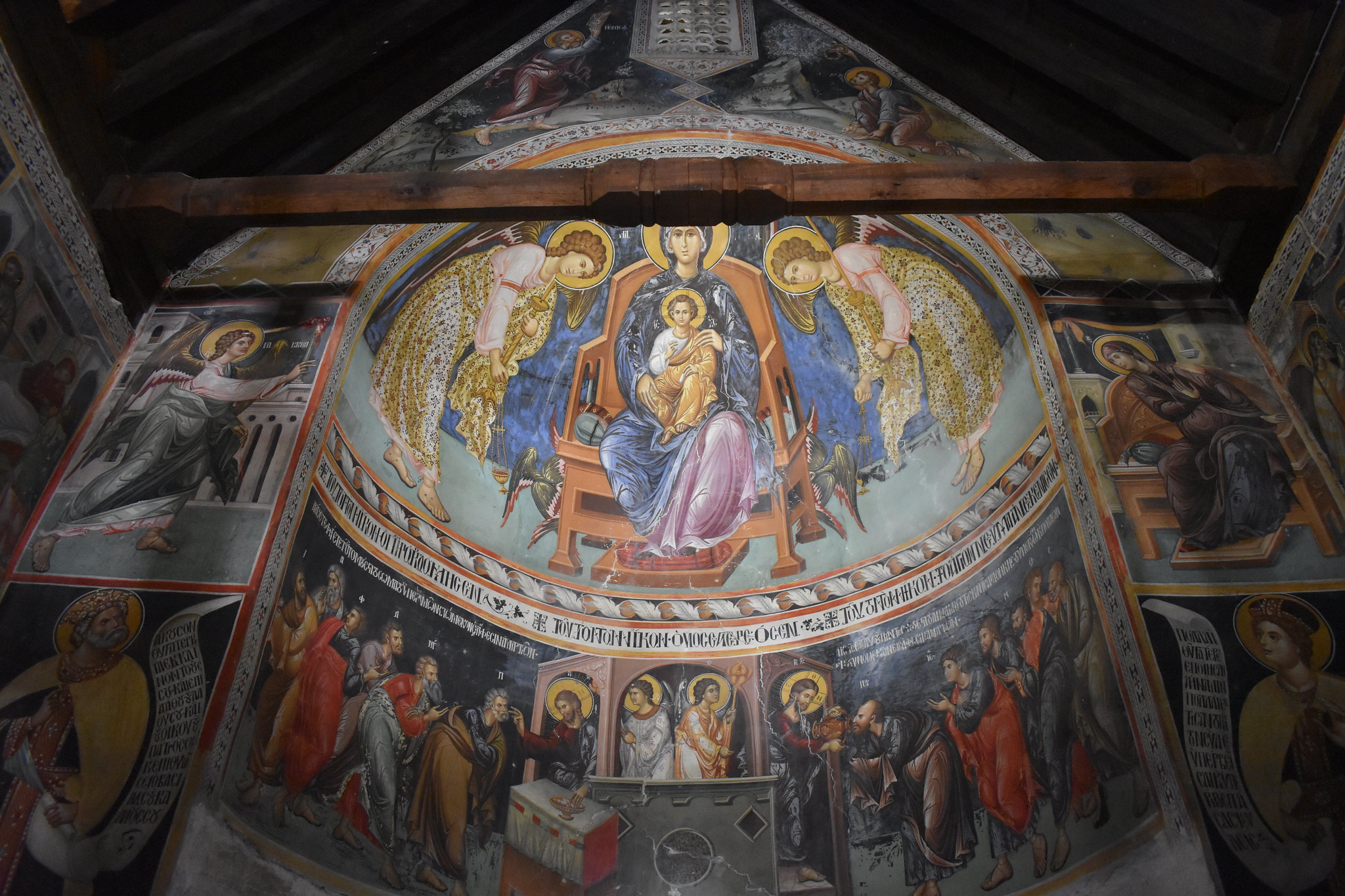
The Ten Painted Churches of the Troodos Mountains feature exceptional Byzantine and post-Byzantine frescoes, preserved in cool mountain communities. These churches reflect the island’s religious devotion and artistic evolution from the 11th to 16th centuries.
Why UNESCO Listed Them
- Criterion (ii): Show interchange between Byzantine art and local styles.
- Criterion (iii): Reflect deeply rooted Orthodox Christian traditions.
- Criterion (iv): Represent outstanding examples of rural church architecture with frescoed interiors.
Key Churches
- Asinou Church (Panagia Phorviotissa) – vivid frescoes from the 12th century
- Agios Nikolaos tis Stegis – continuous fresco cycles across centuries
- Panagia tou Araka – exceptional depictions of saints and biblical narratives
- Panagia Podithou – later frescoes showing Venetian influence
- Ayios Ioannis Lampadistis monastery in Kalopanayiotis
Visiting Tips
- Modest attire required: no shorts or sleeveless tops.
- Churches may be locked; village caretakers usually open them upon request.
- A car is necessary to reach several isolated churches.
Opening Hours
Hours vary; mornings are most reliable. Some sites close during lunch hours.
How to Explore UNESCO sites across Cyprus
• Paphos region – Located on the western coast; sites are concentrated and easy to visit in a single day.
• Troodos Mountains – Painted Churches are spread among villages like Kakopetria, Galata, Kalopanayiotis, Pelendri, and Nicosia district hamlets.
• Larnaca district – Choirokoitia sits between Larnaca and Limassol, ideal for travellers driving between districts.
Recommendation: Create a 2–3 day itinerary combining coastal archaeology, mountain frescoes, and countryside landscapes.
Top 10 tips for visiting UNESCO sites in Cyprus
- Visit early morning to avoid heat and crowds.
- Dress modestly for churches and monasteries.
- Rent a car for Troodos Painted Church routes.
- Bring water, sun protection, and comfortable shoes.
- Check seasonal opening hours—winter schedules are shorter.
- Hire a guide in Paphos for deeper historical insight.
- Combine Choirokoitia with nearby villages for a full cultural day.
- Respect photography restrictions inside sacred sites.
- Support local communities—buy snacks or handmade items in villages.
- Allow extra time; UNESCO sites are larger and richer than they appear on maps
To explore more:
Paphos: Where myth, history and the sea meet
Nicosia: Inside Europe’s last divided capital
From flamingos to Finikoudes: Fall in love with Larnaca
Limassol: The Mediterranean city that has it all
Protaras – Cyprus’s family-friendly coastal gem
Ayia Napa: Cyprus’s sun-drenched blend of buzz and beauty
Cyprus, but cooler: Why Troodos is the island’s best-kept secret
Unearthing Cyprus: Walking through 10,000 years of history
Best beaches in Cyprus – From golden sands to hidden coves
Traditional Cypriot dishes: A guide to the most popular foods in Cyprus
Moving to Cyprus: A guide to the pros and cons
A guide to Nicosia’s modern retail landscape
Understanding Cyprus’ time zone and how it compares with Europe, the UK, and the US
What is the best time to visit Cyprus?
Where to live in Cyprus? A guide to each major city (pros & cons)
Omodos: A timeless mountain village in the heart of Cyprus





Click here to change your cookie preferences