
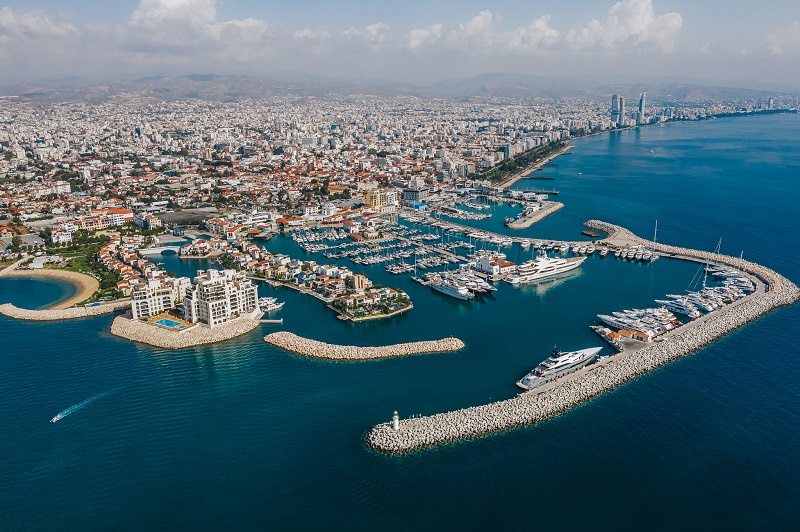
Nestled on the sun-drenched southern coast of Cyprus, Limassol city is a place where the Mediterranean lifestyle comes alive — a destination where ancient history, seaside charm, and modern energy blend effortlessly. Whether you’ve visited Cyprus for a short trip or are considering a longer stay, Limassol offers a warm welcome, a vibrant culture, and a quality of life that’s hard to beat.
Where old meets new
At the heart of Limassol is its historical centre, a lively mix of cobbled streets, colorful facades, and modern boutiques. The Medieval Castle, once the site of Richard the Lionheart’s royal wedding, now houses a fascinating museum that tells the island’s story through centuries of change. Just steps away, you’ll find the Limassol Marina, a gleaming modern development of waterfront cafés, fine restaurants, and luxury yachts — a perfect spot for evening strolls or sunset dining.
This balance between old and new is what makes the Limassol district so unique. While sleek architecture and renovated buildings dominate the city center, the spirit of the ancient city still lingers in the stone walls, quiet chapels, and hidden courtyards tucked away from the main streets.
Culture and heritage everywhere you look
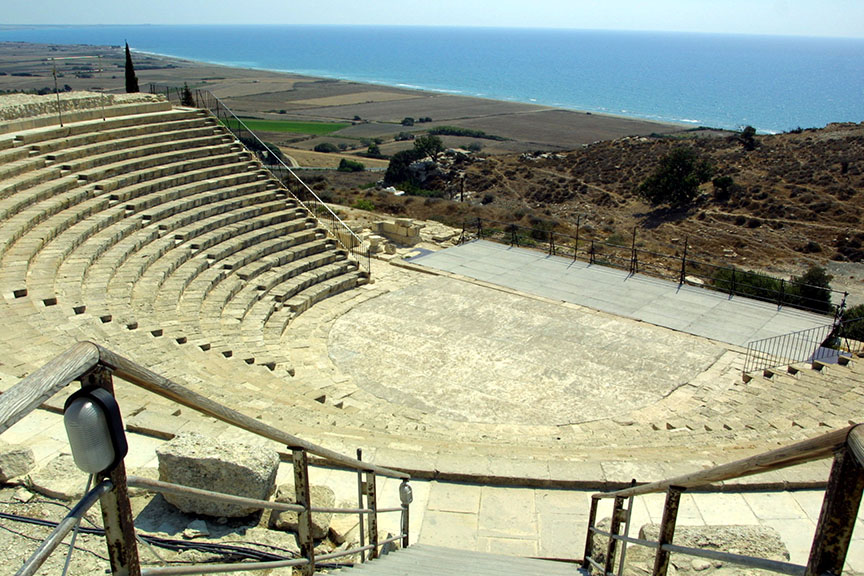
Limassol is surrounded by history. The ancient towns of Amathus and Kourion, perched high above the sea, are among Cyprus’s most impressive archaeological sites. Kourion’s amphitheatre and mosaics are beautifully preserved, and the panoramic views are simply unforgettable. Not far away stands Kolossi Castle, a medieval fortress linked to the Knights of St. John and the birthplace of Commandaria — the island’s world-famous sweet wine.
Within Limassol city, the Archaeological Museum and Municipal Art Gallery offer a glimpse into Cyprus’s cultural soul, while regular festivals — from the Carnival in spring to the Wine Festival in autumn — fill the streets with music, color, and celebration. The city also has a growing intellectual and artistic life, with galleries, theatres, and independent studios shaping a vibrant cultural life that attracts both visitors and many Greek Cypriots from across the island.

Hidden treasures of Limassol
While the coastline and nightlife are well known, the hidden treasures of Limassol reveal themselves to those willing to explore. Traditional villages such as Omodos and Lofou offer an authentic glimpse into the lives of Greek Cypriots — with cobblestone pathways, local tavernas, and family-run wineries welcoming guests all year round. Just a short drive from the coast, these villages showcase a slower rhythm of life and the warm hospitality that Cyprus is famous for.
In the historical centre, smaller cafés and artisan workshops still operate beside newer modern boutiques, offering handmade crafts, jewelry, and Cypriot delicacies. The Old Port and Marina area have transformed into one of the most stylish parts of the Limassol district, where both travelers and many Greek Cypriots gather for evening drinks and seaside views.
Beach life and seaside living
Limassol’s seafront promenade, the Molos, is one of its treasures — a palm-lined walkway stretching for kilometers along the coast, ideal for walking, cycling, or relaxing by the water. The city’s beaches cater to every mood: Dasoudi Beach is perfect for families and water sports, while Lady’s Mile offers soft sand, calm water, and a string of laid-back beach bars. With numerous luxury hotels overlooking the coastline, seaside living here feels effortless — and for many who have visited Cyprus, this is what makes Limassol unforgettable.
Eat, drink, and enjoy life
Cypriot cuisine is a delicious reflection of its Mediterranean roots. You’ll find everything from traditional meze platters of grilled halloumi, olives, and seafood, to elegant international dining. The Old Port and Saripolou Square buzz with life at night, with wine bars, rooftop lounges, and restaurants that stay open well past midnight. With its lively social atmosphere and strong cultural life, Limassol truly knows how to celebrate.
Restaurant Reviews: Limassol
A base for exploration — And a place to call home
Limassol’s strategic location makes it ideal for exploring the rest of Cyprus. Within an hour’s drive, you can be hiking through pine forests in the Troodos Mountains, skiing in winter, or exploring the coastal ruins of Paphos and ancient towns like Amathus. But many visitors decide not to leave at all. With luxury hotels, international schools, a thriving business ecosystem, and over 300 days of sunshine, Limassol has become a beacon for expats and entrepreneurs — offering both opportunity and lifestyle in equal measure.
The spirit of the Mediterranean
Warm, welcoming, and endlessly sunny, Limassol captures the spirit of the Mediterranean better than almost anywhere else. Whether you come to unwind by the sea, explore its rich heritage, or make it your new home, you’ll find a city full of life, color, and opportunity — a place where every day feels like summer.
To explore more of Cyprus:
Essential tips, customs, and useful words for Cyprus visitors
Paphos: Where myth, history and the sea meet
Aphrodite’s Rock: The heart of Cyprus’ coastal magic
Nicosia: Inside Europe’s last divided capital
From flamingos to Finikoudes: Fall in love with Larnaca
Protaras – Cyprus’s family-friendly coastal gem
Ayia Napa: Cyprus’s sun-drenched blend of buzz and beauty
Best beaches in Cyprus – From golden sands to hidden coves
Cyprus, but cooler: Why Troodos is the island’s best-kept secret
Omodos: A timeless mountain village in the heart of Cyprus
Unearthing Cyprus: Walking through 10,000 years of history
UNESCO world heritage sites in Cyprus: What to see, why they matter, and how to visit
A guide to Nicosia’s modern retail landscape
Traditional Cypriot dishes: A guide to the most popular foods in Cyprus
What is the best time to visit Cyprus?
Moving to Cyprus: A guide to the pros and cons
Where to live in Cyprus? A guide to each major city (pros & cons)
Understanding Cyprus’ time zone and how it compares with Europe, the UK, and the US
Practical Information for visitors and newcomers
Practical information for visitors and newcomers
Getting there:
Limassol is about 45 minutes from both Larnaca International Airport (LCA) and Paphos International Airport (PFO), each offering frequent flights from major European cities.
Getting around:
The city has a good bus network, and taxis are widely available. Many residents rent or own a car for easy access to beaches and mountain villages.
When to visit:
• Best months: April–June & September–November
• Peak summer: July–August — hot and lively
• Winter: December–February — mild and peaceful
Accommodation:
You’ll find everything from boutique hotels to luxury hotels, seaside resorts, long-term rentals, and modern apartments.
Language & Currency:
Greek is the official language, but English is widely spoken. Currency: euro (€).
Healthcare & Safety:
Cyprus provides modern medical care and is known for its safety and strong community spirit.or expats, digital nomads, and families seeking a balance of work and leisure.
Local Tips
- The Old Port and Saripolou Square are the best spots for nightlife and dining.
- Visit Kourion early in the morning for cooler temperatures and fewer crowds.
- Dasoudi Beach is great for swimming and water sports, while Lady’s Mile is ideal for long walks and relaxed beach bars.
- Parking can be limited in the old town — use nearby public car parks when exploring on foot.





Click here to change your cookie preferences