

Not simply ‘less healthy,’ ultra processed foods may be actively harmful, contributing to diseases across multiple organ systems
By Dina Gavarieva
Christmas is coming, the goose is getting fat – and so are we. Not only that, our diets could be slowly killing us.
In a startling wake-up call, scientists have warned that diets rich in ultra-processed foods (UPFs) are linked to harm in every major human organ system as well as a number of diseases, from obesity to cancer.
The global review, published in The Lancet in November, also revealed that in many countries UPFs now constitute more than half of daily calories consumed.
And the mounting evidence suggests our eating habits pose a seismic threat to global health and wellbeing.
So, as we head into the festive season we might want to reconsider what we eat and what we feed each other because taking a little care in the kitchen could be the best Christmas gift you can give this year.
But first, back to basics: what actually constitutes ultra-processed food?
The widely used classification is the NOVA system, under which unprocessed or minimally processed foods include fresh fruits and vegetables, plain meat, fish, eggs, milk, grains like rice or oats, nuts, etc.
These are all foods that you can recognise as coming directly from the natural world.
Processed culinary ingredients include oils, butter, sugar, salt, flour – ingredients extracted or refined from natural foods and typically used to cook with.
Then we come to processed food that has undergone preservation or alteration while still resembling their natural origins. For example, canned vegetables or fish, cheeses, breads, or fermented foods. These are often fine and can be part of a healthy diet.
In contrast, UPFs are industrially manufactured formulations, made from substances extracted or derived from other food sources such as oils, starches, sugars and hydrogenated fats, and they often contain little or no intact whole foods.
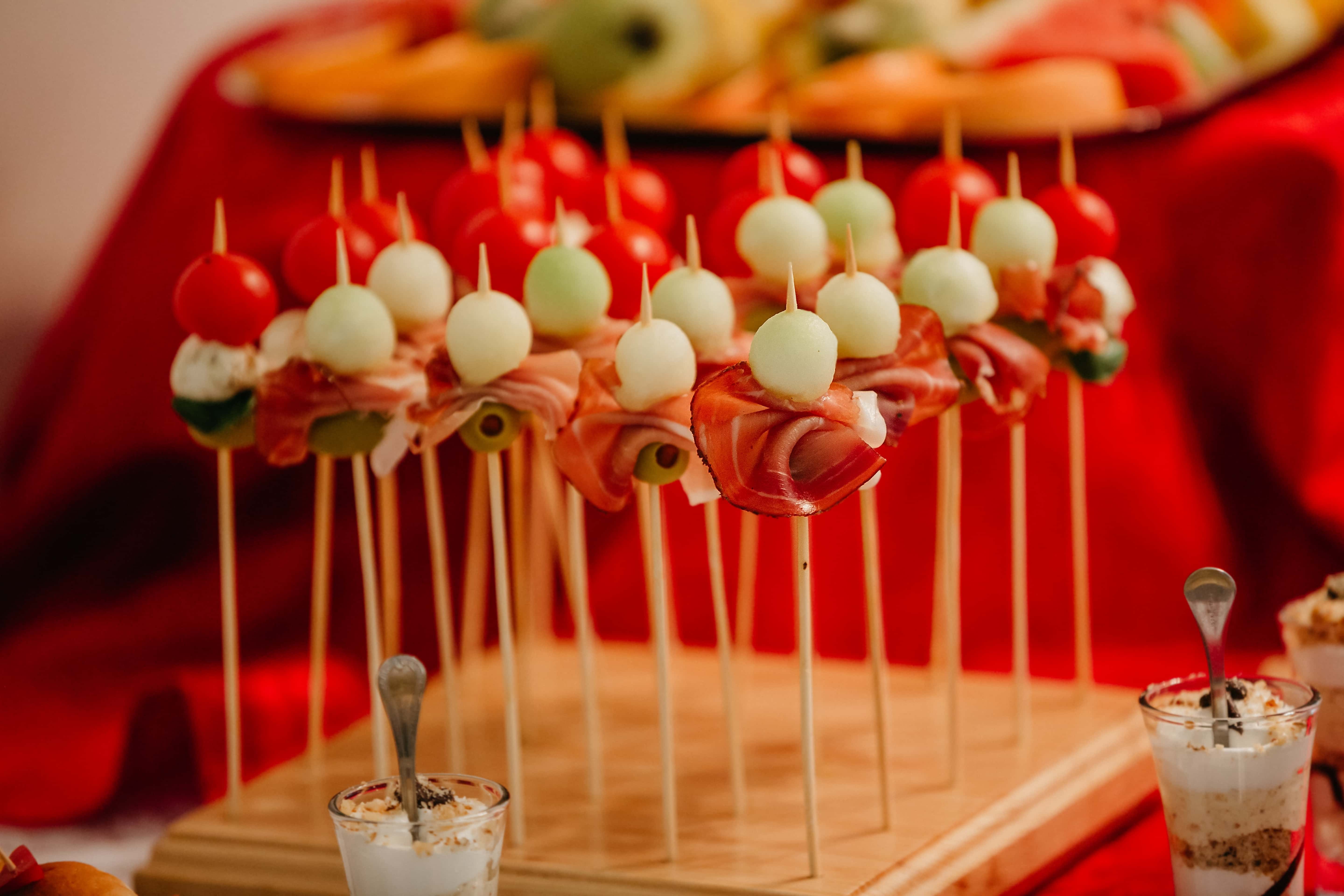
UPFs typically include additives, artificial colours, flavours, stabilisers, emulsifiers and preservatives, and they are engineered to be ‘hyper-palatable,’ long-lasting, easy to eat or drink and inexpensive.
So, you see, processed food does not automatically mean ‘bad food.’ A home-baked loaf, a can of sardines, or a bag of oats are processed, but they are very different from a packet of crisps, a frozen ready meal, or a sugary breakfast cereal.
The real problem arises when UPFs replace fresh or minimally processed foods altogether – triggering a cascade of health risks.
The Lancet review, the most comprehensive of its kind, linked UPF consumption with a growing list of problems: obesity, type 2 diabetes, heart and cardiovascular disease, various cancers, gastrointestinal disorders, mental health issues and increased overall mortality.
This is because many UPFs are calorie-dense, often containing trans fats and industrially altered oils, rather than naturally occurring saturated fats, added sugars, salt, and are low in fibre, protein, vitamins and minerals.
All of which encourages overeating, weight gain and poor metabolic health.
Additives and artificial substances can further disrupt gut microbiota, cause inflammation, or interfere with metabolic and hormonal processes.
Therefore, what we need to get out of our minds is the misunderstanding that UPF is simply junk food. It’s not. It includes a swathe of everyday supermarket items from ready meals to packaged breads, soft drinks, biscuits and many convenience snacks.
At Christmas it means prepared pastries, mince pies, sugary drinks, ready-made snacks, ham, bacon, salami, certain cheeses, crisps and salted nuts.
Then there are the treats: the desserts, biscuits, cakes, sweetened beverages and alcohol, all typically rich in refined sugar, refined flour, and other additives, further stressing metabolism and raising long-term health risks.
But before you go ‘bah humbug’, there are ways to protect your health without sacrificing the joy.
Christmas dinner is a great opportunity to fill up on ‘real food,’ so go to town on your roast vegetables, nuts, seeds, grilled or baked fish or poultry and fresh fruit platters.
Where you can, choose minimally processed versions of the food you crave. Pick whole-grain loaves rather than mass-produced packaged bread.
If you want cheese or yoghurt, look for plain versions without added flavours or sweeteners.
Limit sugary drinks, soft drinks, and processed snacks and try sparkling water infused with slices of citrus or berries, or unsweetened teas, or homemade mulled drinks.
And finally, instead of shop-bought cakes or puddings loaded with refined sugar and preservatives, prepare desserts from whole-food ingredients.
The truth is, we all need to be more aware about what we are putting into our bodies, and the long-term damage it is causing.
The evidence can no longer be ignored – UPFs are not simply ‘less healthy,’ they may be actively harmful, contributing to diseases across multiple organ systems.
So, make a conscious decision to protect yourself and those you love this Christmas.
Recognise the difference between processed and ultra-processed. Read ingredient lists. Cook more often. Choose whole, real food. Swap soft drinks for water or natural drinks. Opt for fresh veg, fruit, nuts, whole grains and simple proteins.
You don’t need to deprive yourself, but you do deserve better than a diet built on cheap, long-life, heavily manipulated substances masquerading as ‘food.’
Dina Gavarieva is a qualified naturopath practising at Neomed Institute and Medical Centre, Limassol





Click here to change your cookie preferences