
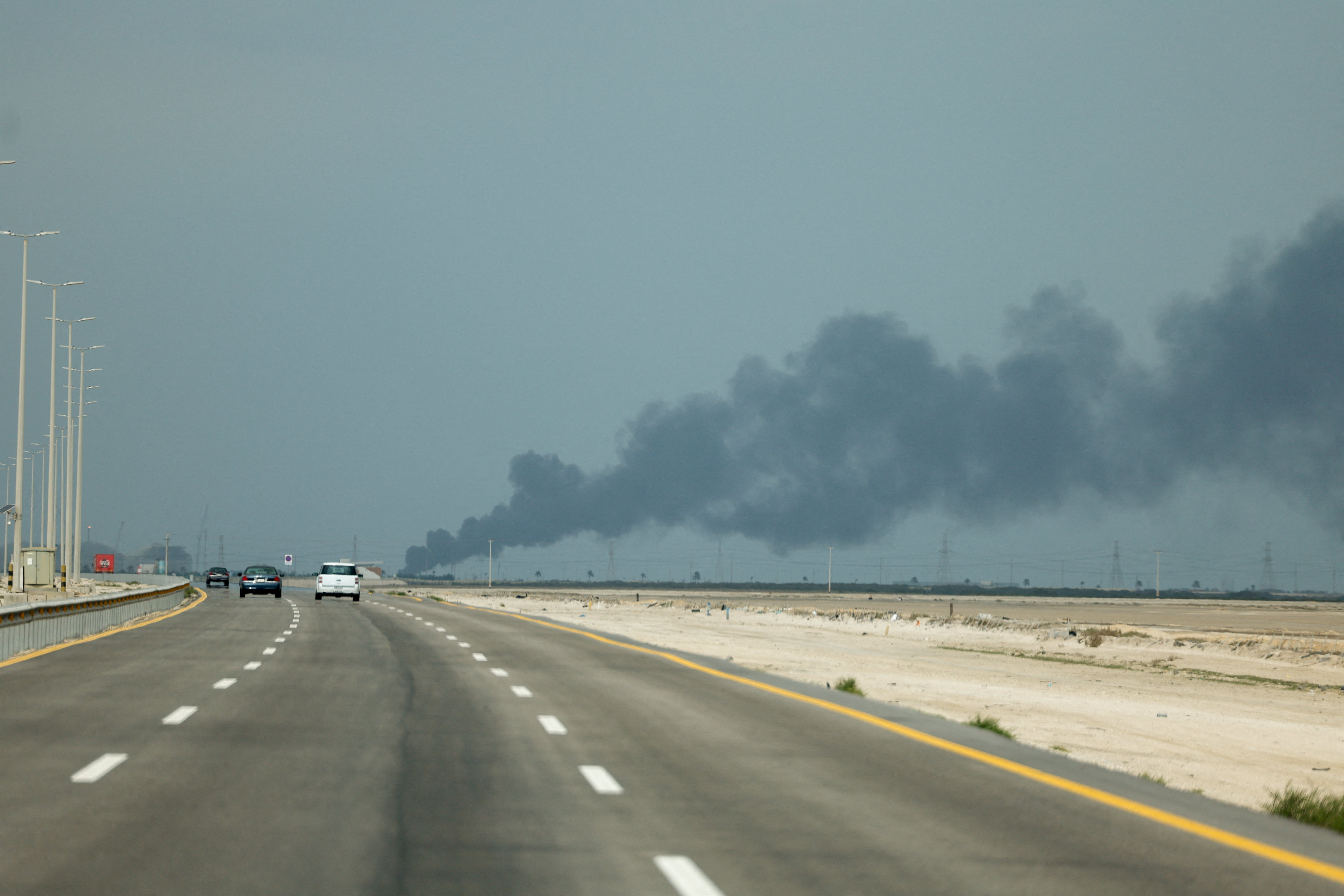
Saudi Arabia’s oil shipments via the Red Sea are on course to hit record highs in March although they are still far below the levels needed to compensate for the drop in flows from the Strait of Hormuz, shipping data showed on Tuesday.
The kingdom relies on the Red Sea port of Yanbu to help it boost exports to avert steep production cuts as its neighbours Iraq, Kuwait and the United Arab Emirates have already reduced output amid the U.S.-Israeli war with Iran.
Yanbu loadings averaged 2.2 million bpd in the first nine days of March, up from nearly 2 million bpd last week and 1.1 million bpd in February, LSEG data showed.
Saudi Arabia exported around 6 million bpd through the Strait of Hormuz before the war effectively shut the narrow passage in late February.
Aramco said on Tuesday during its results call that its pipelines can move up to 7 million bpd to the Red Sea, with 5 million bpd available for exports and the remainder feeding domestic refineries on the western coast.
The kingdom has cut production to around 9.8 million bpd so far from 10.9 million bpd in February, when it boosted exports above its OPEC quota in preparations for possible supply disruptions, according to Energy Aspects estimates.
A total of 37 tankers are expected to load at Yanbu in March, including 11 that have already departed, LSEG data showed.
According to Kpler’s shipping data, at least 40 tankers might load in March, which could push exports above 4 million bpd.
The port has capacity to handle more than 4.5 million bpd, traders said, though it has rarely loaded more than 2.5 million bpd.
The Red Sea route also involves security risks, namely from Yemen’s Houthi forces, whose attacks disrupted shipping during the Israel–Gaza conflict.
No attacks in the Red Sea have been reported since the Iran war began but threats persist, the West’s navy information center JMIC said on Sunday.





Click here to change your cookie preferences