
It defies belief that for years now, the executive and the legislature have been pretending there is no constitutional issue with the deputy ministries, the first of which was introduced by the Nicos Anastasiades government in 2019. It was the deputy ministry of tourism, which replaced the CTO (Cyprus Tourism Organisation), and another four were established during Anastasiades’ second term. The Christodoulides government set up the sixth – the deputy ministry of migration and asylum – after the concerns about the constitutionality of these entities surfaced.
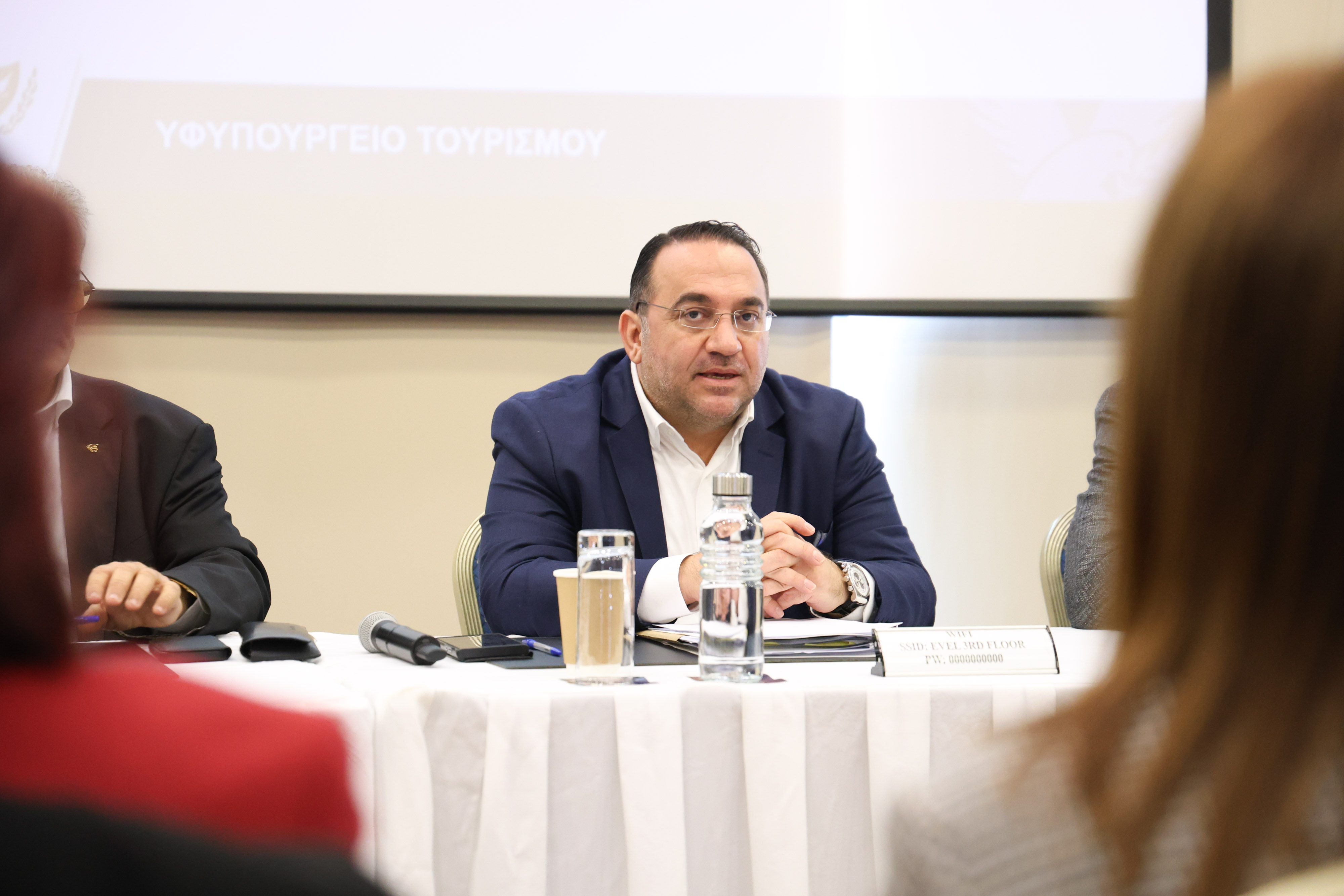
The matter was back in the public domain this week, after the Deputy Tourism Minister Costas Koumis had ordered an investigation against his permanent secretary, Neophytos Papadopoulos, and asked the public service commission (PSC) to suspend him. Papadopoulos’ lawyer objected to the suspension, claiming that Koumis was unlawfully in his position as the constitution had no provision for the establishment of deputy ministries. If the PSC ratified Papadopoulos’ suspension, his lawyer told Politis that he would seek the annulment of the decision in court on the grounds that the creation of the deputy ministries was unconstitutional.
Of course he would, considering that no challenge of the constitutionality of deputy ministries has been tried in court. Cases brought against restaurants and tourist accommodation that were operating illegally (without the necessary permits), by the deputy ministry of tourism were dropped by the prosecution, after the defence lawyers argued that their clients could not be prosecuted by an entity that was set up unconstitutionally and therefore operating unlawfully. The attorney-general issued nolle prosequi in these cases, presumably aware that the argument about unconstitutionality was irrefutable and if included in a court decision the deputy ministries would have to be abolished; their decisions would also be rendered null and void.
According to information reported in Politis, the legislature had also sought an expert legal opinion about the constitutionality of the deputy ministries two years ago. The opinion, which remained a carefully guarded secret, said their creation was a violation of the constitution. In short, the entire political system is aware of the fact these six entities are unconstitutional and therefore powerless. Any decision they take is invalid because if it is challenged in court, it would be ruled unlawful.
This makes a mockery of rule of law. There is no rule of law when power is exercised by unconstitutional entities. Yet the approach of the entire political system is to ignore the matter by pretending it does not exist and praying the courts will never have to issue a ruling on their constitutionality. It is just not good enough and the government must deal with the matter now that it is manageable, before a legal collapse.





Click here to change your cookie preferences