
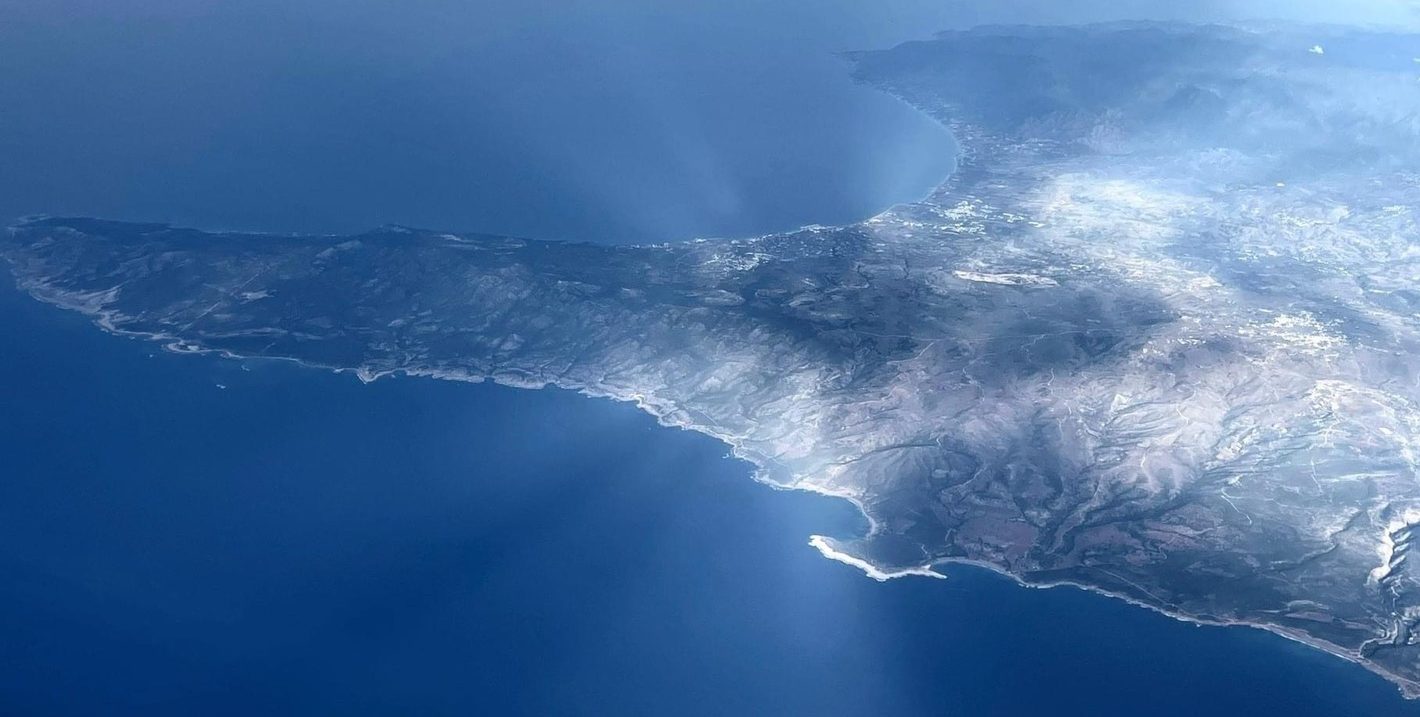
BirdLife Cyprus, Terra Cypria and Opok on Friday sharply criticised the agriculture ministry’s handling of environmental violations in Akamas, following a meeting with the ministry’s director-general for the environment.
“This meeting did not constitute a meaningful consultation,” the organisations said in a joint public statement.
They said they were briefed only on pre-existing guidelines and were given no opportunity to engage in informed discussion or substantively present their positions, reinforcing the impression that decisions are being made without sufficient transparency.
“This is part of a long-standing, systematic practice whereby violations of legally binding terms are identified but go unpunished, decisions are taken but not fully implemented, and the state’s commitments remain on paper,” the groups said.
Referring to the implementation of the Akamas national forest park sustainable development plan, the organisations said that during phase A, which began in December 2022, multiple violations of binding environmental conditions were identified in works carried out on three main roads.
“These violations were acknowledged by all competent authorities, except the department of forests, and led to supplementary environmental impact assessment reports and subsequent decisions by the Council of Ministers aimed at restoring the environmental damage and preventing similar issues in future phases,” they said.
Accusing the government of failing to address the problems despite being aware of them, the groups said the violations persist and have remained largely unresolved for the past two years.
They cited ongoing issues including road widening and hydraulic works carried out in breach of environmental conditions, as well as interventions in sensitive habitats without proper consideration of protected species.
“The overall picture is one of prolonged stagnation, with no plan for meaningful restoration, no comprehensive compliance, and no accountability or consequences for the violations identified,” they said.
The groups added that phases B and C remain delayed due to a reassessment of construction plans, which they argue remains limited despite requiring a comprehensive redesign, as stipulated in Council of Ministers decisions adopted in 2023 and 2024.
“This approach raises serious concerns as to whether the problems already documented and acknowledged have been properly taken into account,” they said, adding that Akamas has effectively been left as an “open construction site”.
They also expressed concern over unauthorised roads and entry points, noting that existing ones remain in use while new ones continue to appear, pointing to a lack of overarching regulation in the Natura 2000 area.
“The absence of these basic tools demonstrates a lack of comprehensive protection and management of the area and undermines the coherence of the original plan,” they said.
The organisations said the handling of the issue raises “serious questions” about institutional accountability and called for a new environmental assessment report, as well as transparent consultation procedures.
Appealing to the Republic’s obligations to protect Natura 2000 sites, they urged the government to reconsider its approach and ensure full compliance with existing legislation.
“The protection of Akamas is non-negotiable. It requires coordinated, scientifically sound and comprehensive management, with respect for the country’s environmental obligations. Accountability for past mistakes is essential to ensure they are not repeated,” the groups concluded.




Click here to change your cookie preferences