
Cyprus, perfume and memory translated through the lens of modern Cyprus
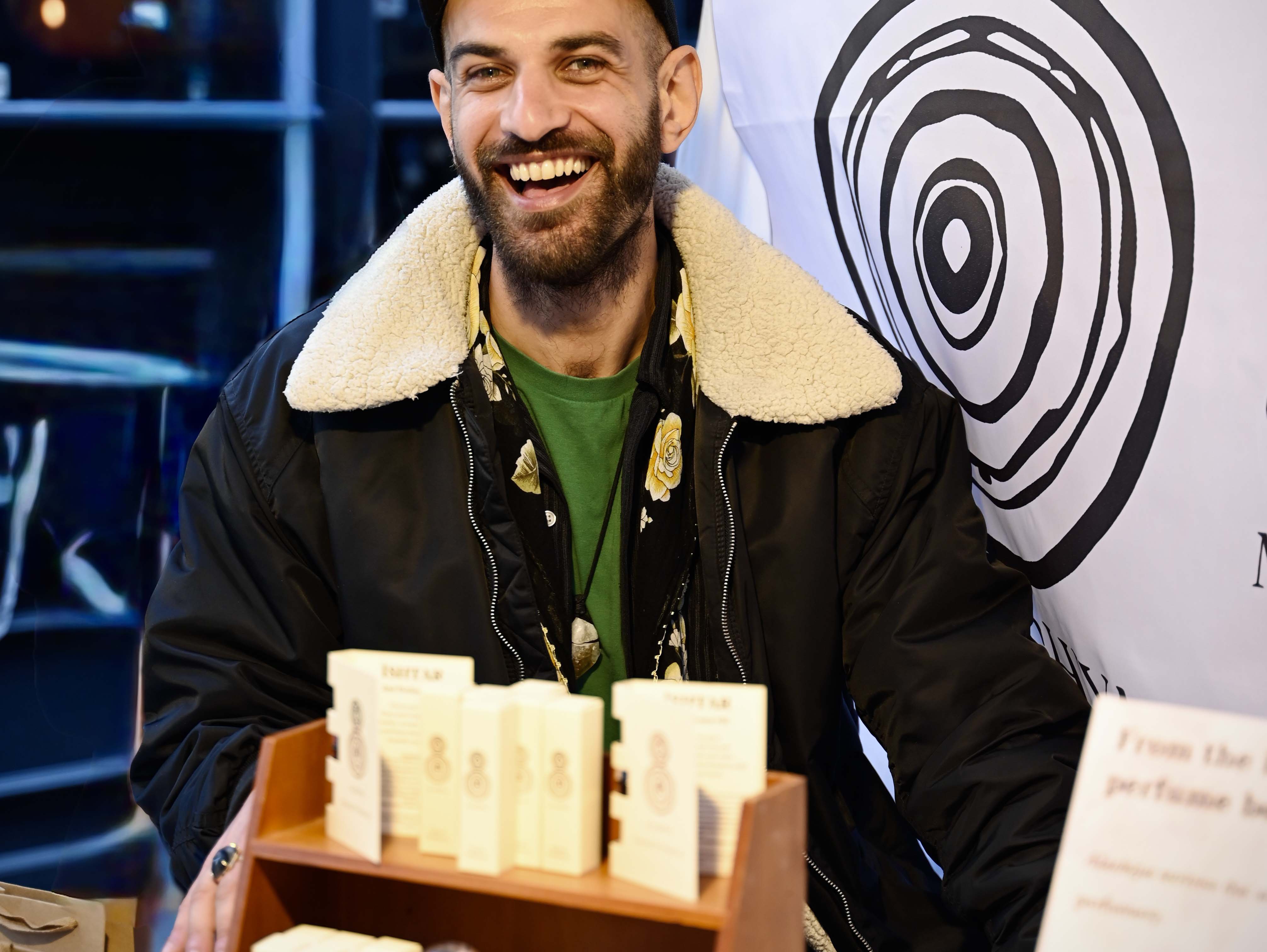
For Omar Suleyman, perfume begins with a memory. “The fact that I couldn’t fly to Cyprus made me miss it even more,” says the London-based perfumer and founder of Alashiya. During the 2020 lockdown, he created his first fragrance, a jasmine-based scent called Ashera, inspired by his childhood summers on the island.
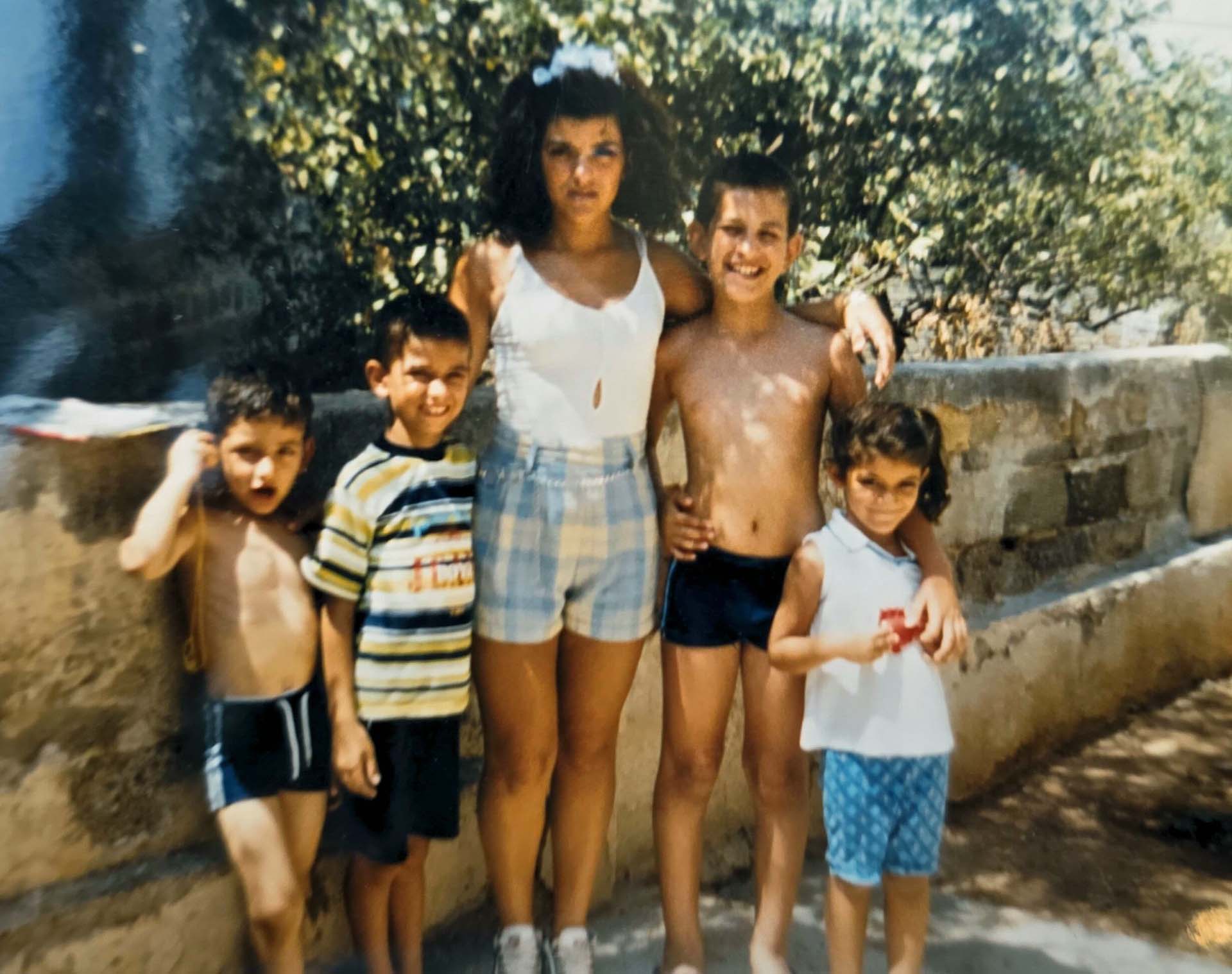
“That’s when I realised: scent bypasses language and image. It takes you straight to a place, time, a feeling,” he says. The family spent holidays on the island after they were displaced to London in 1974.
Suleyman was born in the diaspora to a family from Paphos and Limassol. He calls himself one of those “in between worlds” children, splitting his childhood between London and Cyprus and spending months at a time back on the island every year.
Before he found his way to perfumery, he studied biology and worked in research in London and Cambridge. But after developing physical reactions to synthetic perfumes, he turned towards the world of natural fragrance.
“I’ve always had an unusually sensitive nose”, he says. “Generic fragrances trigger migraines and physical reactions in me. When I discovered that natural essences don’t have this effect, it changed everything.”
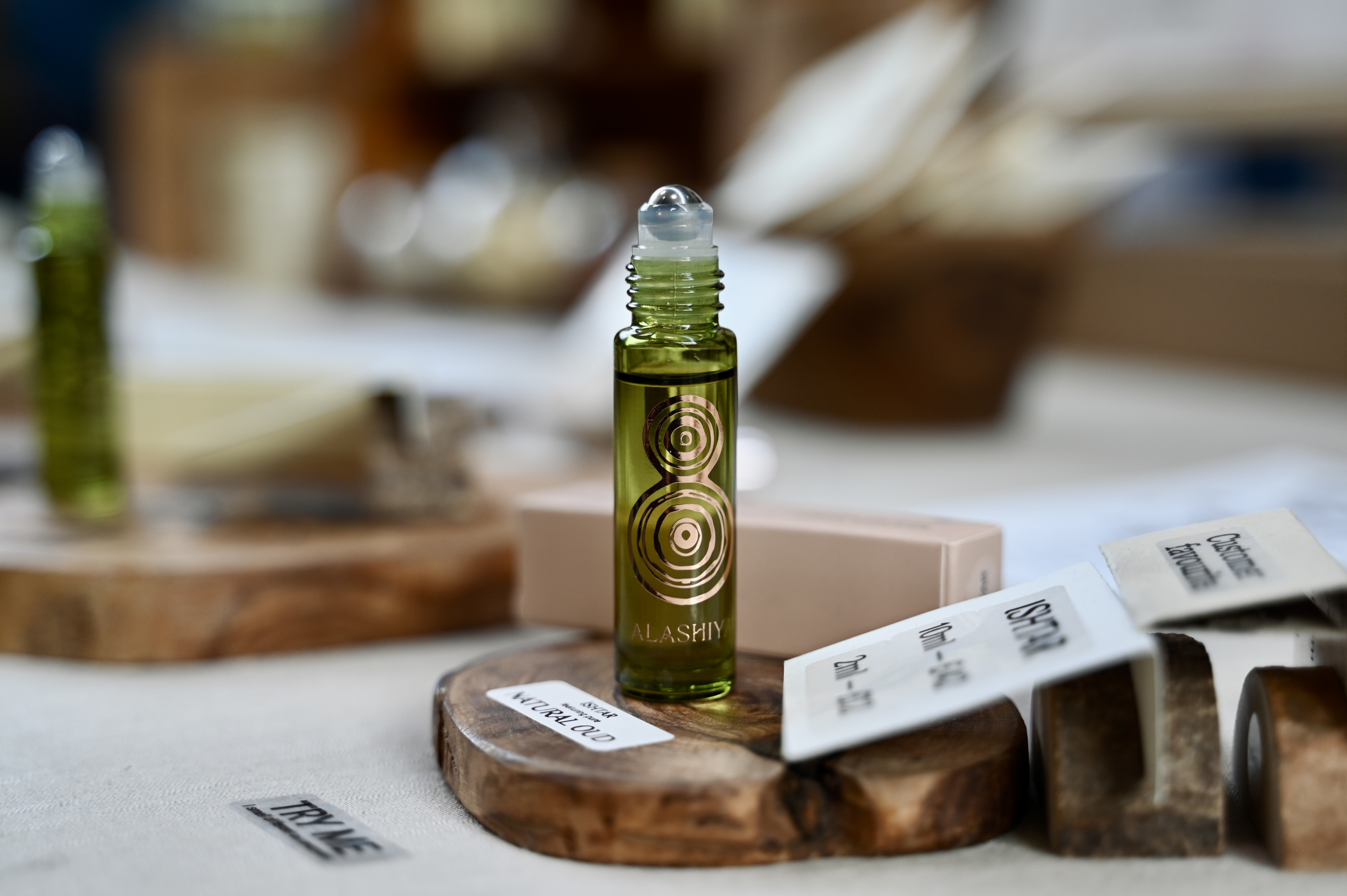
Today, through Alashiya, Suleyman makes oil-based perfumes out of natural ingredients like jasmine, rose, orange blossom and labdanum, plants deeply tied not only to Cyprus but the entire Eastern Mediterranean. Fragrance is only part of his story, Suleyman’s work also draws inspiration from a fascinating, lesser-known chapter in the island’s history, the discovery of Bronze Age perfume workshop at Pyrgos, which dates back around 4,000 years.
“This came as a surprise to me,” he says. “I didn’t discover that the world’s oldest perfumery was found in Cyprus until I was already years into experimenting with perfume.”
Back in 2003, archeologists made an amazing discovery in Pyrgos: one of the world’s oldest known perfume workshops. They found evidence that people there were distilling plants such as rose, lavender and coriander using copper stills thousands of years ago. Learning about this ancient history became a core inspiration for his brand and its philosophy.
“This felt like a calling to me,” he says. “To follow the path I’ve been exploring and educate myself and others on a history that’s been forgotten.”
Instead of trying to reproduce the ancient formulas precisely he uses historically relevant materials while reinterpreting them for a contemporary perspective.
“My interest is in using these historically significant materials, the ones that our ancestors worked with, and translating them through the lens of modern Cyprus,” he explains. “It’s about continuity, the same plants, inspired by the same island. But at a different moment in time.”
One of these materials is labdanum, a resin from Cyprus and the Mediterranean that has been used in perfume for centuries. It later became a key part of the ‘Chypre’ fragrance family, which French perfumer François Coty named after Cyprus in 1917.
Using only natural ingredients also affects how his perfumes smell and feel on the skin. Most commercial fragrances use a lot of synthetic chemicals, but Suleyman’s perfumes are oil based and made with plant extracts resins, and waxes.
“What most people don’t realise is that 95 per cent of the perfume industry uses synthetics, petroleum-derived molecules created in labs,” he says. “My practice is about bringing perfume back to its origins.”
Natural oils for perfume are very personal, always changing according to him. “They interact with your body’s chemistry, your skin’s PH, warmth, natural oils, to create something unique to you.”
However, for Suleyman, there is more than just creating scents in perfumery. It has an emotional side as well, and many of the perfumes he creates have to do with memories from Cyprus.
“Anat, for example, is my orange blossom perfume,” he says. “It came from a memory of my grandfather’s orange trees.” He explains that his grandfather had orange groves in the village he was displaced from in 1974, and later replanted them when he returned years later.
“I was always obsessed with the smell of those fields in spring when the trees were in bloom,” he says. “Standing in the middle of them was intoxicating, the whole area thick with the scent of blossoms. That’s the memory I was chasing with Anat”.
His core collection features scents associated with jasmine, roses and the orange blossoms, which he describes as deeply rooted in Cypriot life and memory. “When other Cypriots smell them, they describe almost identical memories to the ones I was chasing when I created them,” he says. “That gives me chills every time.”
However, Suleyman points out that many of these botanicals have a deeper meaning within the Mediterranean and the Levant.
“Jasmine in Damascus. Rose in Persia. Orange blossom in North Africa,” he says. “These flowers don’t belong to one place; they belong to the region. But the way they smell on a hot Cypriot summer night? That’s ours.”
The historical references are reflected in the brand itself. Alashiya was thought to have been used for Cypriots during the Bronze Age, a period when the island played a major role in Mediterranean trade.
Looking ahead, Suleyman hopes to keep Alashiya small and artisanal while continuing to educate people on Cyprus’ forgotten perfume heritage. He dreams that one day he will be able to create a garden in Cyprus that is filled with native plants where each year’s harvest would become a new fragrance, “a living archive” of the island itself.
The perfumes are sold via www.alashiya.co/ and shipped worldwide


Click here to change your cookie preferences