
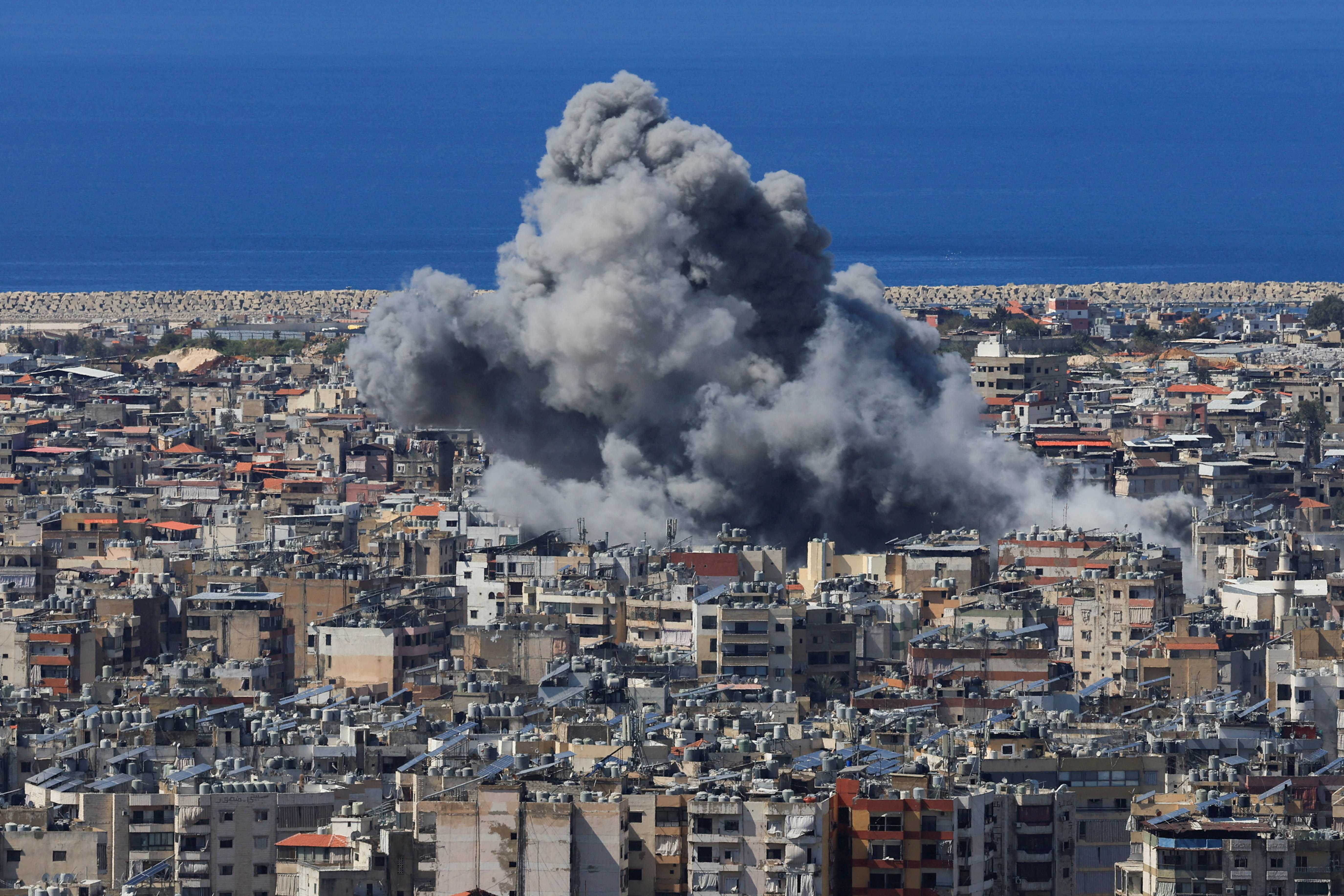
Lebanon is heading towards proposed direct talks with Israel from a position of acute military and political weakness after a month of devastating conflict that has displaced more than a million people and killed thousands across the country.
President Joseph Aoun has called for historic direct negotiations with Israel since the latest war erupted, marking a major shift in Lebanon’s long-standing refusal to engage openly with its neighbour. However, analysts and officials warn that the timing of the talks leaves Beirut with limited leverage after weeks of sustained Israeli bombardment and a widening ground offensive in the south.
Lebanon’s state institutions are entering the process deeply fractured, with the powerful armed group Hezbollah opposing direct negotiations and maintaining active resistance against Israeli troops. A Lebanese official close to Hezbollah told Reuters on condition of anonymity that “the talks that will take place between Lebanon and Israel are frankly pointless, because those conducting them in the name of Lebanon have no leverage to negotiate.”
Israeli Prime Minister Benjamin Netanyahu has instructed his cabinet to prepare for direct talks with Beirut following one of the deadliest days of the conflict, when Israeli strikes killed more than 300 people across Lebanon. Rescue teams on Friday continued searching through destroyed buildings while funerals were held across southern towns.
The escalation follows weeks of air and ground operations after Hezbollah fired missiles into Israel in early March. Since then, Israeli strikes have expanded across southern Lebanon and into Beirut’s outskirts, destroying infrastructure and killing members of Lebanese state security forces, according to local reports.
Tensions within Lebanon’s internal political and security structure are intensifying as the prospect of negotiations approaches. Hezbollah’s opposition to disarmament remains a central obstacle, with Israel reportedly seeking any agreement to include measures to remove the group’s military capabilities. Lebanese officials acknowledge this demand is highly contentious and risk-laden.
Israel’s campaign has also deepened mistrust in the Lebanese state among its own population. Many Shi’ite communities, heavily affected by the fighting, have expressed anger at what they see as state failure to protect them, while broader public confidence in government institutions remains low following years of economic collapse, the 2020 Beirut port explosion and prolonged political paralysis.
A Lebanese commentator told Reuters that Netanyahu’s decision to engage in talks may be partly strategic, saying it could be “a fig leaf, aimed at generating goodwill in Washington” while continuing military pressure on the ground. Others, however, argue that Lebanon has little alternative given the scale of destruction and displacement.
Hezbollah’s role in the conflict remains central to the impasse. The group has continued military operations despite an earlier US-brokered ceasefire agreement, while Lebanese authorities have avoided direct confrontation with its forces, citing fears of internal civil conflict. Officials say efforts to persuade the group to disarm have so far failed.
Israel and the US have repeatedly blamed the Lebanese state and army for not fully implementing earlier ceasefire commitments relating to Hezbollah’s arsenal. Lebanese officials counter that forced disarmament would risk destabilising the country further.
Even before the current escalation, Lebanon’s political system was widely described as weakened and fragmented. Public trust in government has declined sharply in recent years, with surveys indicating widespread disillusionment with state institutions and their ability to manage crises.
Analysts say the combination of military pressure, internal division and institutional weakness leaves Lebanon entering negotiations without a unified position. As one Middle East analyst noted, the country is “weak because we’re unclear on the terms of reference of negotiations, divided over the question of negotiations, because our demands will be rejected and because we cannot do what we need to do to secure an Israeli withdrawal.”





Click here to change your cookie preferences