
Gazoza: fizz, industry and everyday life
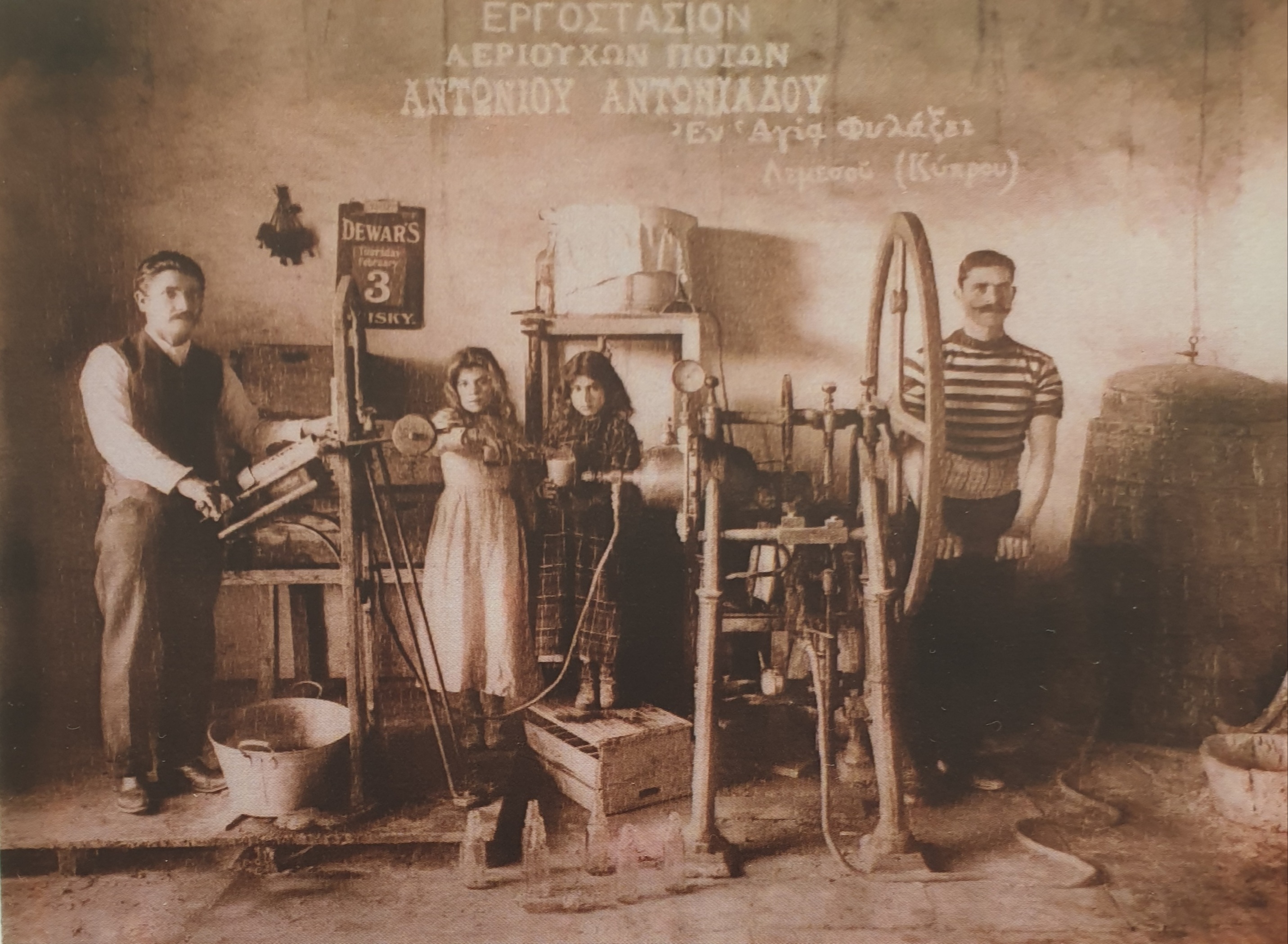
Once upon a time, a carbonated beverage in Cyprus was more than just a refreshment. It was a part of the daily routine in village coffee shops, markets, schoolyards, movie theatres and sports stadiums, even in the hands of children prying open bottles to get the marbles from inside.
Before foreign brands took over the market, locally produced sodas or “aerated waters” as they were once referred to, not only influenced the drinks that Cypriots drank but also how they socialised, worked, and lived daily.
This largely overlooked period of Cyprus history has become the subject of new book Gazoza: The History of Cyprus Soft Drinks by amateur historical researcher and bibliophile Roys Kassapis, who decided to trace the development of the soft drinks industry on the island, recording its evolution from the early years of the industry until its eventual decline as a result of globalisation.
“I spend my free time away from my accounting office researching Cypriot history, which has many neglected parts,” Kassapis says.
The subject, for Kassapis, is one aspect of his wider mission to research those parts of Cyprus history that have not been widely studied up until now, especially those concerning everyday life and local enterprise.
At its peak, the prevalence of sodas made in Cyprus was almost universal, transcending social classes and settings.
“Sodas had a profound impact on the daily life of Cypriot society”, say Kassapis. Called aerated waters in the late 19th and early 20th centuries, they “were a novel but cheap luxury that people across all social classes could enjoy, and quickly replaced most other drinks”.
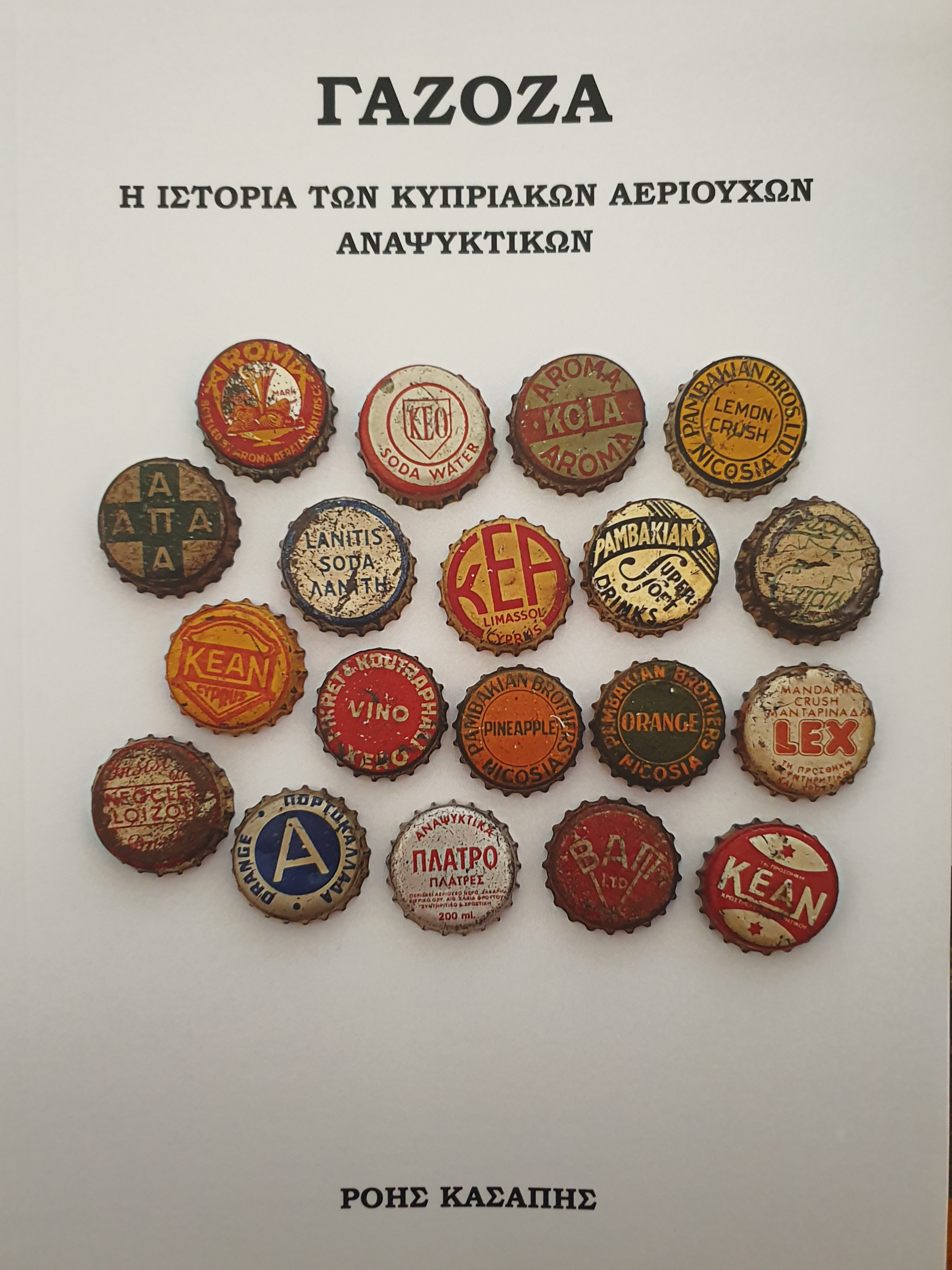
From “classy hotels, restaurants and bars” to “ village taverns, cinemas, stadiums, open air fairs and street markets, schools and coffee shops,” he says, “they were everywhere”.
In addition to consumption, there is also the issue of representation, where the use of advertisements through poster art became part of the visual scenery of the towns and cities.
But behind the bright colored bottles and popular brands, the soda industry was offering opportunities for people to earn their livelihood through various levels of Cypriot society.
“Soda makers were primarily people with small businesses like coffee shops, confectioneries, bars, and restaurants, and could easily enter an industry with no barriers to entry,” Kassapis says.
Many Cypriots found soda manufacturing a practical way to earn a living during difficult economic times. Among those who turned to soda production were former members of the Cyprus Regiment returning from the WWII.
Meanwhile, bigger businesses started to emerge, run by individuals with scientific or technical education, thereby aiding in the expansion of the production and distribution around the island.
“The soda industry provided employment and a livelihood for many poor families, and enjoyment and refreshments covered the entire population,” Kassapis adds.
Aside from the economic impact, it is these human stories that have not been documented that create the richness of this history through partnerships, competitions, and day to day moments.
In his research, Kassapis was able to find several different accounts from people who had worked in the soda-making business such as a partnership between a Greek and a Turkish Cypriot to create a soda business in Lefka during the 1930s.
Other stories show the competitiveness between soda makers who would fight over ownership of bottles and crates, while others speak to the more turbulent times in Cyprus’ history, when soda makers went missing during the events of 1974.
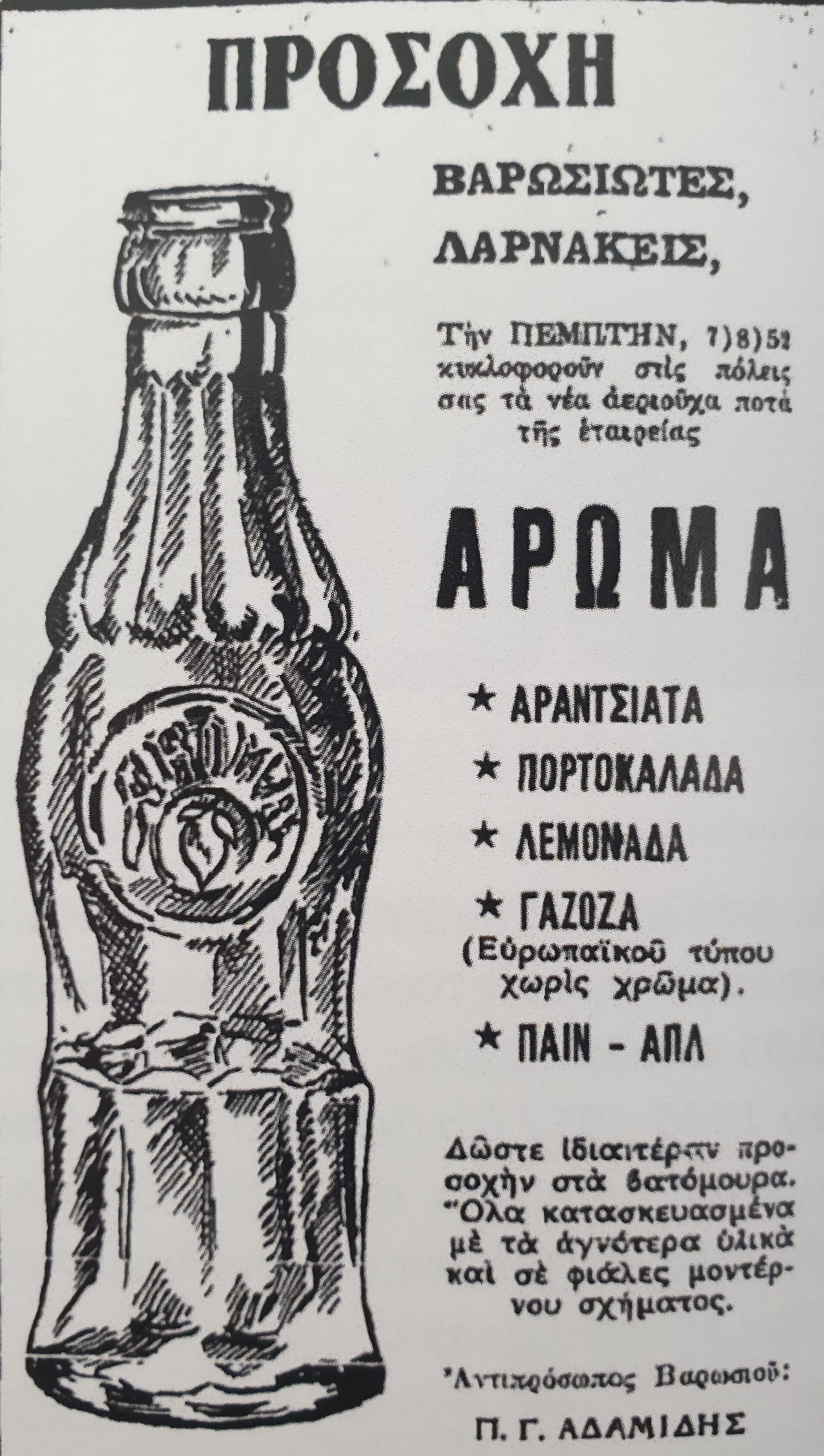
There are stories that recall the lighter side of life in this part of history. “Many children used to steal marble bottles to extract the glass marbles for playing games!” Kassapis says. The marbles were used in the neck of the bottle as a type of seal.
Recording this history, however, has not been an easy task, with the history compiled piecemeal. “Matching a particular soda brand or bottle to its makes has been time consuming challenge,” Kassapis adds.
“Surviving industrial records are hard to come by as there is no culture of preserving these,” he says, leaving researchers to recreate histories from what bits of material remain.
The local soda industry began from humble beginnings in the early 20th. “In Cyprus, until the 1930s, soda making started as small establishments… often as a side business,” Kassapis explains. “Some of these grew to be large factories covering the entire Cypriot market in the fifties and sixties”.
Yet this did not continue for long as the competition and change in consumer preferences proved too strong to sustain.
“Hardly any of these survived the advent of globalisation and the pressure from imported brands,” he says.
The scene has changed significantly and there are now only a few local manufacturers left with the market being controlled by international companies.
The history of Cypriot soft drinks means more to Kassapis than just a product, it’s about a way of life that risks being forgotten.
“As with all historical crafts and industries, recoding is crucial as memories gradually fade and people carrying these experiences eventually pass away”.
In this way, the book acts as a document of history, a reminder of how much value is hidden behind the simplest aspects of people’s everyday life and how they can hold a deeper story.
The book is available from Moufflon bookshop




Click here to change your cookie preferences