
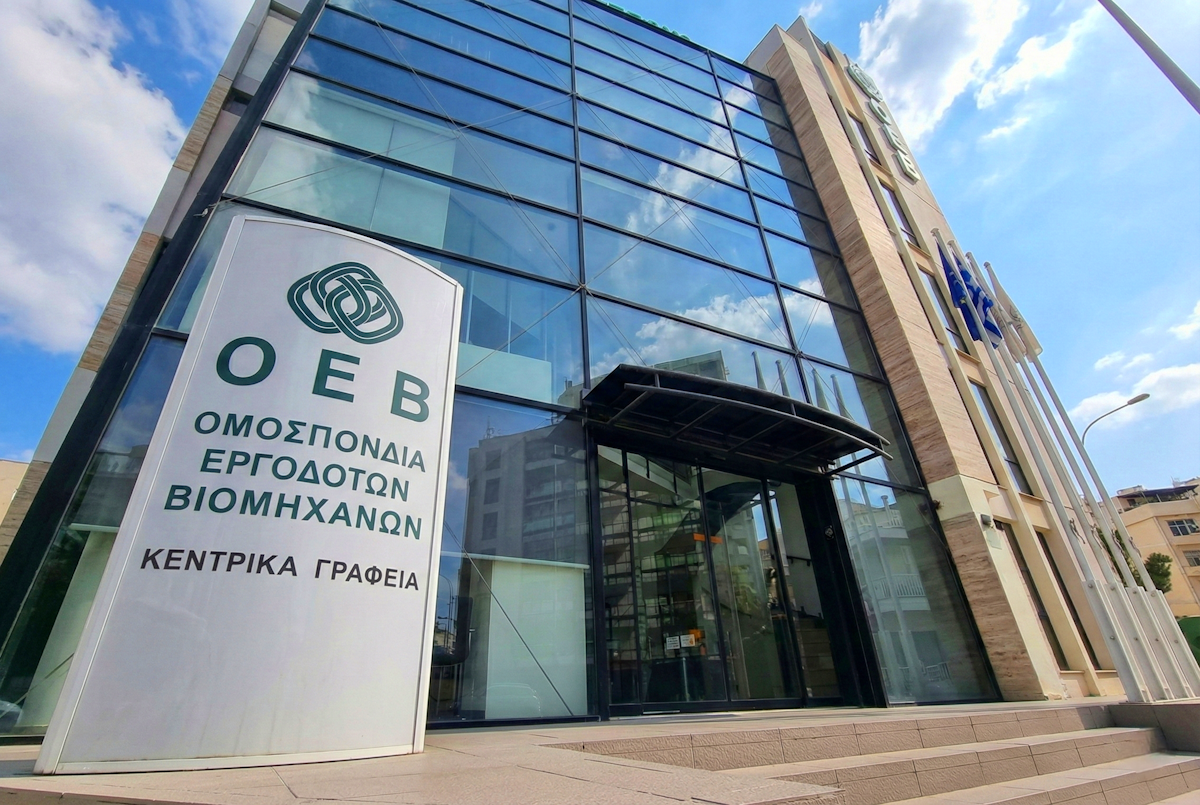
The Employers and Industrialists Federation (Oev) has outlined key labour developments for 2025 ahead of its annual general assembly later this month.
Specifically, the assembly will take place in Nicosia on April 28, in the presence of president Nikos Christodoulides, who is expected to address the event.
The federation stated that during 2025 it undertook intensive action to support businesses and strengthen sustainability, submitting targeted proposals and recommendations to competent ministries.
It added that particular emphasis was placed on the peaceful renewal of collective agreements, alongside efforts to contain labour costs and safeguard the competitiveness of the Cypriot economy.
Oev reported that despite challenges, unemployment declined further in 2025 to 4.4 per cent, compared with 4.9 per cent in 2024.
At the same time, employment exceeded 81 per cent, marking one of the highest levels recorded historically, compared with 79.8 per cent in 2024.
Referring to wage developments, the federation said that a salary increase of 1.25 per cent was granted in January 2025 on new basic wages through the cost of living allowance mechanism, where applicable.
This adjustment was based on the transitional agreement reached between social partners on July 28, 2017, and its renewal signed on May 12, 2023.
The agreement provided for wage adjustments corresponding to 66.7 per cent of the annual increase in the Consumer Price Index, excluding taxes.
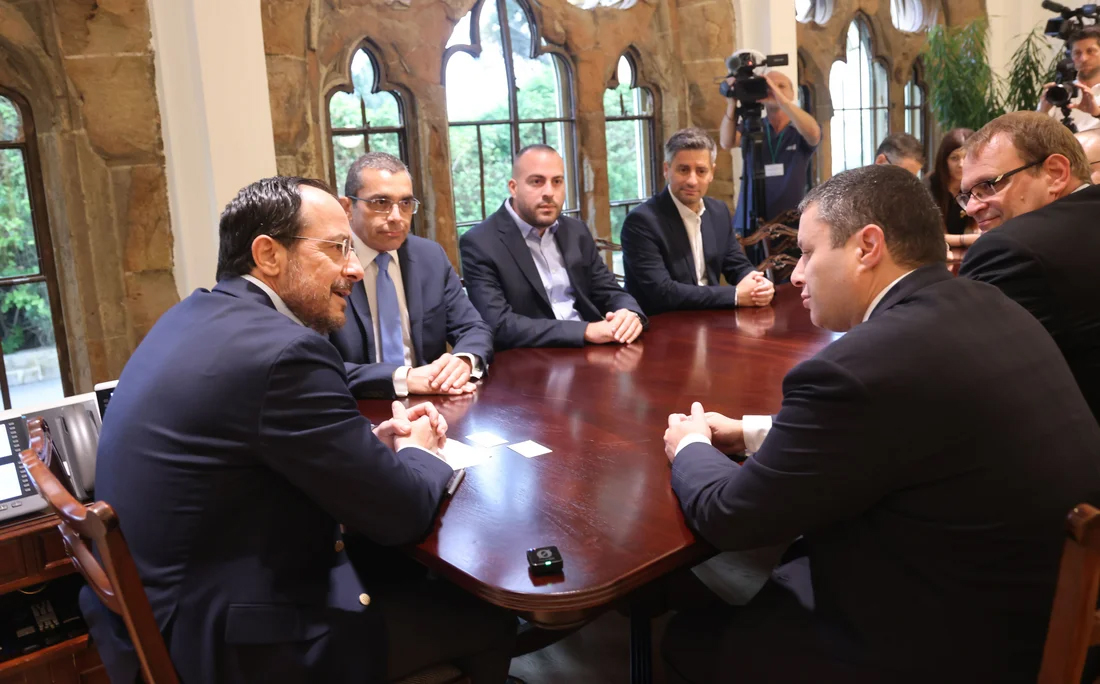
The federation also highlighted that following prolonged negotiations, a permanent agreement on the cost of living allowance was reached and signed on November 13, 2025, in the presence of the president.
“The contribution of the president was decisive in achieving the agreement,” the federation said.
According to Oev, the new permanent agreement provides for a gradual increase in the allowance rate from 66.7 per cent to 100 per cent of the relevant index.
It explained that the rate will rise to 80 per cent in January 2026, 90 per cent in July 2026, and reach 100 per cent from July 2027 onwards, with adjustments applied each July.
The federation also pointed to the revision of the strategy for the employment of foreign labour in February 2025, which was renamed as the framework for the employment of foreign workers.
It said the revised framework aims at the further strengthening of procedures and the facilitation of businesses facing difficulties in recruiting local or EU staff, allowing access to workers from third countries.
Oev further mentioned that discussions on pension system reform began in 2025, based on studies conducted by experts from the International Labour Organisation (ILO).
It explained that the objective is to ensure reforms are aligned with international social security standards and financial sustainability principles, while also taking into account best practices and experiences from other countries.
“The reform should aim to create a sustainable system that meets the real needs of current and future beneficiaries while providing adequate pensions without imposing additional costs that undermine competitiveness,” the federation said.
The federation also referred to the issuance of a minimum wage decree before the end of 2025, which introduced increases effective from January 1, 2026.
It stated that the gross entry-level minimum wage rose to €979 from €900, while after six months of continuous employment with the same employer, it increases to €1,088 from €1,000.
Addressing industrial relations, Oev criticised what it described as repeated unjustified and irregular strikes in public hospitals, secondary education schools and public transport services.
“In order to ensure the smooth operation of businesses and protect the safety, health and wellbeing of citizens, we once again proposed the legislative adoption of the agreement on dispute resolution procedures in essential services,” the federation said.
It clarified that the proposal concerns the 1999 agreement on dispute resolution in essential services, concluded between Oev and trade unions including Sek, Peo and Pasydy.
Beyond these issues, the federation said it maintained broad and multifaceted activity across labour-related matters in 2025, including legislative processes, implementation of European projects, promotion of female entrepreneurship and gender equality in employment.
It added that further details are outlined in its annual report, which will be presented and discussed during the upcoming general assembly.


Click here to change your cookie preferences