
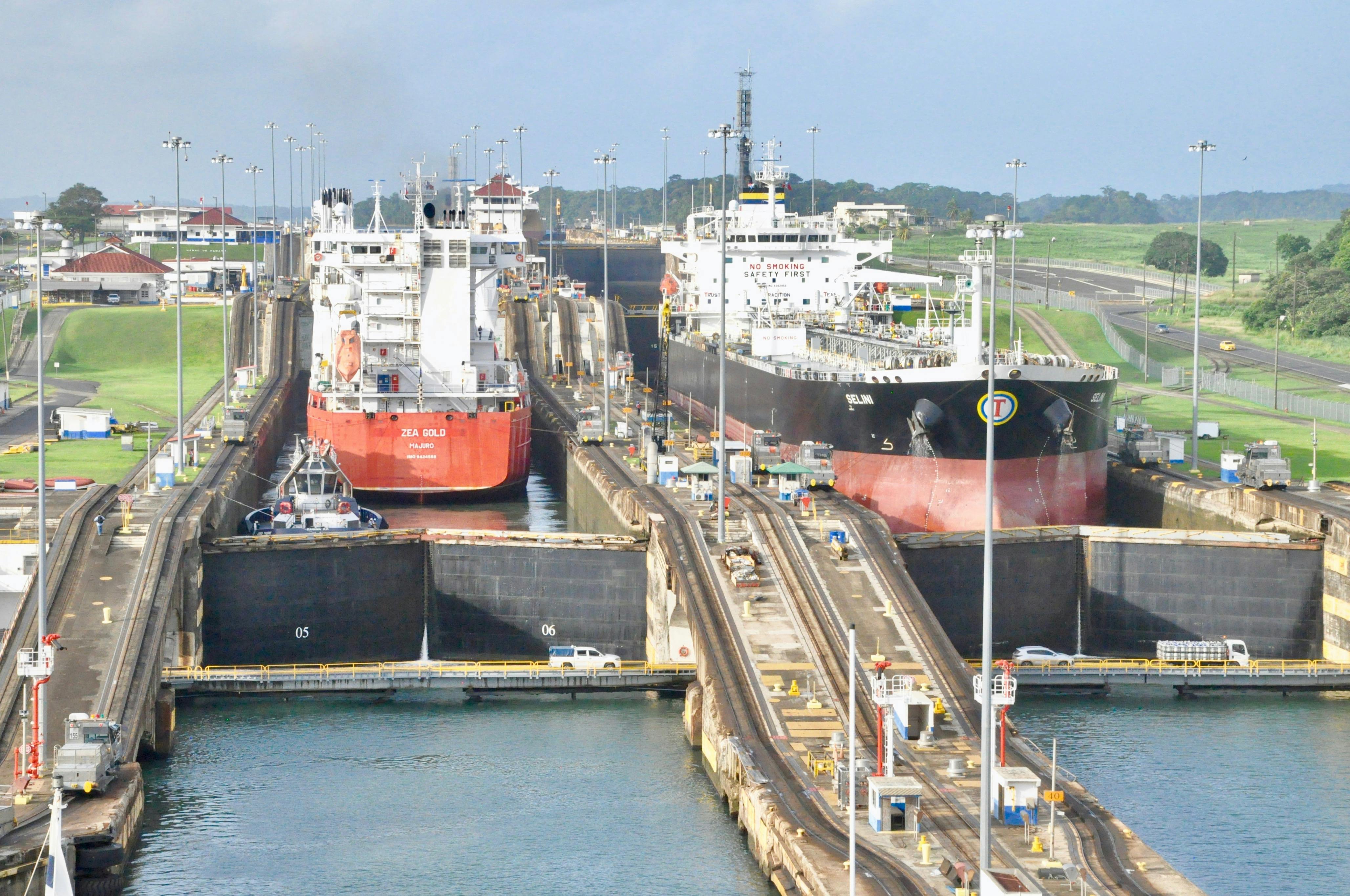
Panama Canal traffic has risen sharply since the beginning of the year, as disruption in the Strait of Hormuz pushes more energy cargoes from the US towards Asia and Pacific markets.
According to BIMCO, ship transits through the canal have increased by 8 per cent year-on-year, reaching an average of 38 vessels per day, with the rise largely driven by tankers. Over the past five weeks, the increase has been even stronger, with transits up 16 per cent year-on-year as demand for US energy exports has grown.
BIMCO shipping analysis manager Filipe Gouveia said the Panama Canal is now operating close to full capacity, at around 36 to 40 daily transits. However, this has also added pressure on available slots, with last-minute booking prices more than doubling and waiting times rising by 50 per cent, reaching around 47 hours.
The shift comes as the war involving Iran and the crisis in the Strait of Hormuz continue to limit exports from the Persian Gulf, forcing buyers in Asia to look for alternative energy supplies. As a result, American cargoes have become more attractive, placing renewed pressure on the Panama route.
At the same time, the increase in traffic is raising concerns for shipowners already facing higher costs and longer voyage planning. Under pressure, some companies are weighing alternatives, including round trips via the Cape of Good Hope or Cape Horn, although both options add distance, fuel costs and uncertainty.
The outlook remains fragile. BIMCO said congestion could intensify in the short term, particularly as the Panama Canal Authority has scheduled maintenance on the east lane of its Panamax locks from June 9 to 17, a move expected to remove ten daily slots during that period.
A further risk comes from the possible return of El Nino during the summer. The weather phenomenon usually reduces rainfall in Panama, threatening levels at Gatun Lake, the canal’s main water reservoir. When El Nino last emerged in 2023, regular transit conditions were disrupted for about a year, with daily crossings falling to 22 vessels at the worst point and the maximum permitted draught cut to 13.4 metres, or 44 feet.
However, the Panama Canal Authority has said it does not currently expect to impose transit restrictions through the end of 2026, citing water-saving measures and stronger reservoir management. It said it continues to monitor forecasts closely as the rainy season begins.
Still, for shipping markets, the pressure is already visible. A waterway that was restricted by drought only two years ago is now being tested by another form of disruption, a geopolitical shock thousands of miles away, which is redirecting energy flows and putting one of global trade’s most important shortcuts back under strain.





Click here to change your cookie preferences