
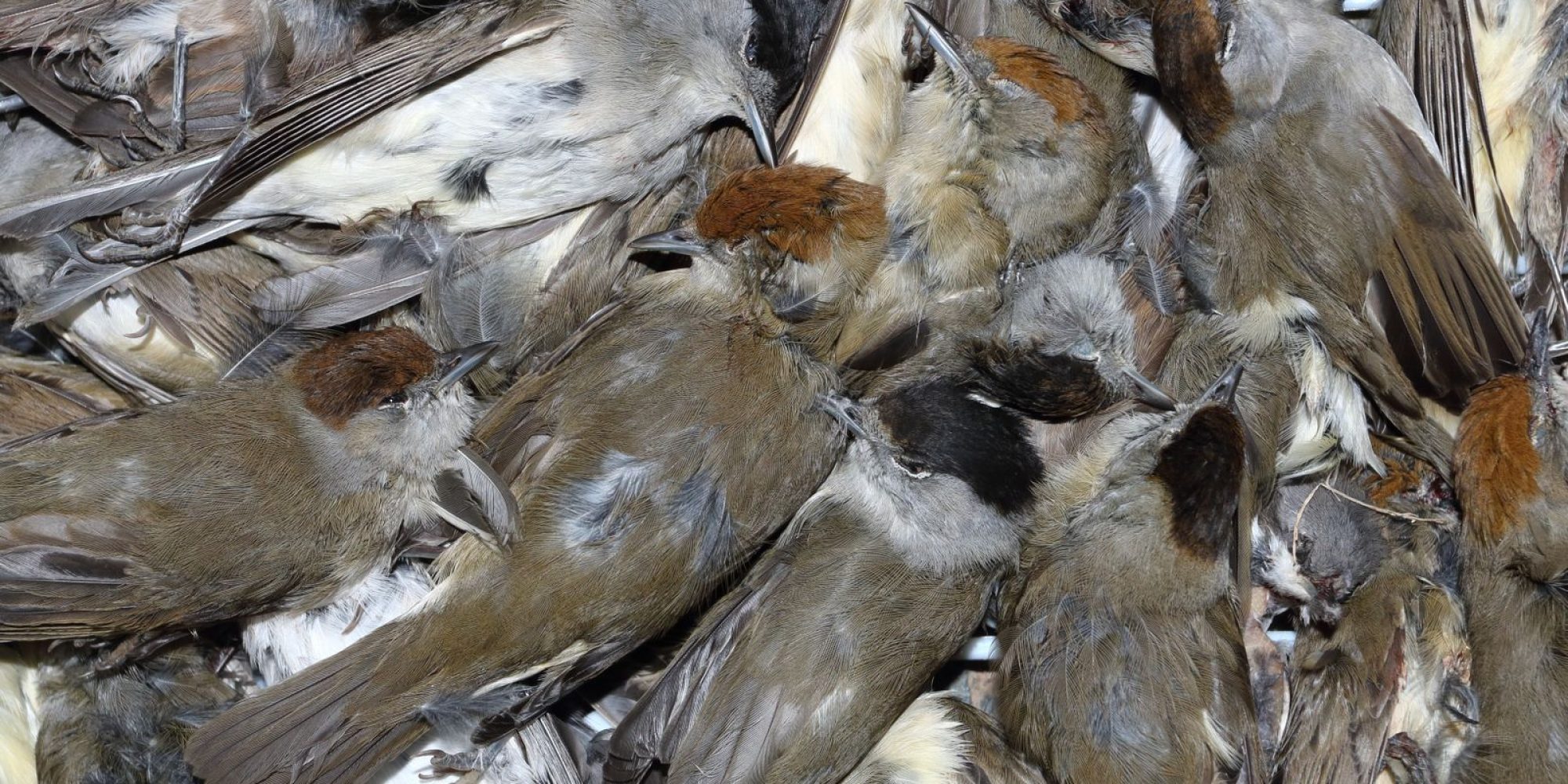
Lead in shotguns and fishing weights has a negative impact on both human health and biodiversity, BirdLife said on Tuesday.
“Lead is a highly toxic metal, with no safe level of exposure. Its use, especially in hunting, leads to the dispersion of thousands of tonnes into the environment every year, with serious consequences,” the organisation said.
BirdLife warned that lead can enter the human food chain, putting children and pregnant women at particular risk, as fragments may be found in game meat consumed by humans.
“At the same time, more than a million birds die annually in Europe from lead poisoning,” the group added.
The organisation’s call comes two weeks after the publication of a study highlighting the presence of lead in Larnaca Salt Lake and Paralimni Lake – two of the island’s protected wetlands.
Data from the Game Fund indicated that 169 flamingos have suffered lead poisoning in the Larnaca Salt Lake complex since 2020.
“In Cyprus, the need for meaningful action is already evident. Although a ban on the use of lead gunshot near wetlands has been in force since February 2023 under a European regulation adopted in 2021, its implementation remains insufficient,” BirdLife said.
Sediment and soil sampling revealed high concentrations of lead at specific points around the lakes, with elevated levels at Larnaca Salt Lake linked to a former shooting range in the area.
According to the study, concentrations decrease further from the old range, indicating it as the main source of pollution.
The salt lake complex includes Latsi Lake in Meneou, also known as Soros Lake, where hunting is permitted. A separate study there confirmed the presence of lead, linked to pellets from hunting cartridges.
In Paralimni, lead contamination also appears to be primarily linked to hunting, with a shooting range still operating on the lake’s southern side within the protected area, while hunting is allowed in parts of the Natura 2000 site during the hunting season.
BirdLife has called for the reinforcement of restrictions and more extensive European policies to be implemented.
The group proposed that these include a complete shift to non-toxic substitutes for lead such as steel pellets
BirdLife has called for stricter enforcement of existing rules and broader European measures, including a full transition to non-toxic alternatives such as steel pellets.
“There is no more room for delays. Lead restrictions must proceed now, without further concessions. The benefits are clear and significant, both for human health and biodiversity,” the organisation said.
The call comes ahead of a meeting of the EU REACH (registration, evaluation, authorisation and restriction of chemicals) committee, scheduled to take place in Brussels on April 29.





Click here to change your cookie preferences