
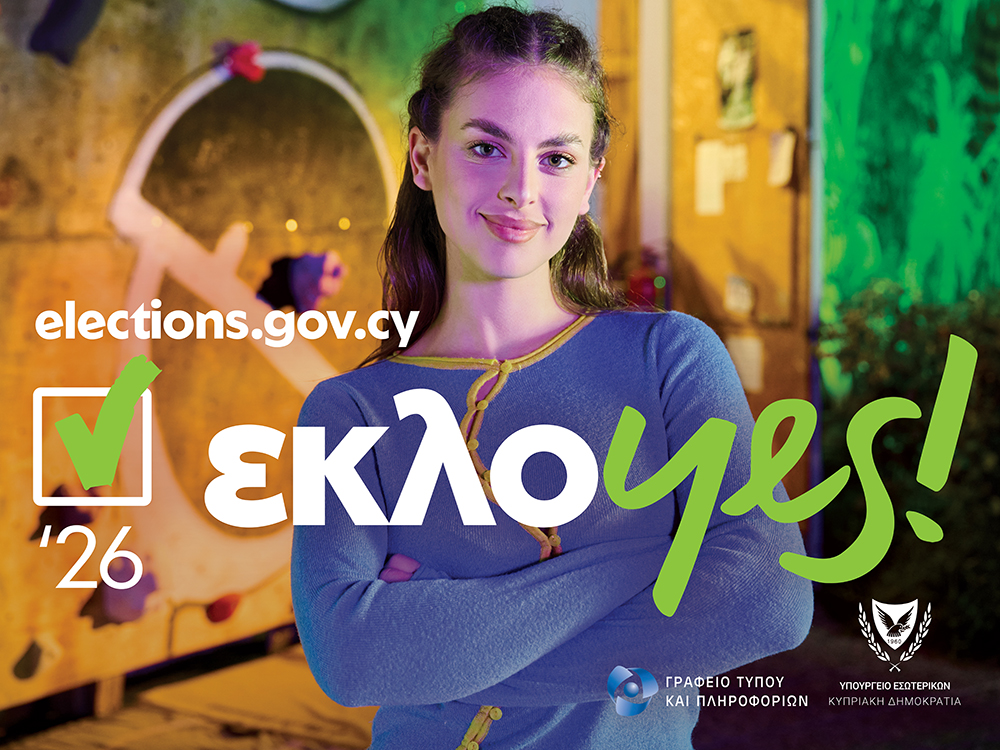
The parliamentary elections later this month are offering a record number of choices – around 20 parties and a staggering 753 candidates competing for just 56 seats.
Voters will be lost for choice.
Seasoned heavyweights Disy and Akel, miles ahead of the third and fourth parties in elections gone by, are now looking at slimmer victories than ever before.
Their traditional contenders are at risk of being left out, as newer, fitter and more appealing parties are entering the race.
With polarity becoming more nuanced and a chunk of votes from parties such as Disy, Akel, Diko, Dipa and Edek running around looking for a place to sit – which could explain the deviations of results in pre-election polls – the day after could leave many stunned.
Those who do get in will have beaten a horde of candidates, but for those whose parliamentary chairs have taken the shape of their rears and are to hand in their front door key, a bitter aftertaste awaits.
Agreed that polyphony and broader choices are a good thing.
Those dissatisfied with the bigger parties and seeking an alternative – that will increase minimum wages for a start – will be voting for parties who previously didn’t stand a chance and are promising better quality of life. Those sick of scandal after scandal will be following anti-corruption banners.
Enter the younger generation in politics: fresh and vibrant, full of life and overflowing with new ideas, as well as those candidates changing sides and landing in neighbouring pastures.
This could all be a good thing, as it keeps everyone on their toes.
Candidates showed up on Wednesday – long lines of politicians in tailored suits, representatives of groups in slacks and T-shirts, and others colour-coded with the Greens in vibrant green, Volt in energetic purple and Fidias wearing his signature smile, only this time with his tongue sticking out.
More choices mean many more disappointed candidates being left out of a very small parliament that can’t fit them all.
But what does this mean for the voters? Will the next day bring a more efficient, proactive parliament, less focused on keeping their parties going? Will the new MPs promote targeted policies for key sectors? Or will too many who have no idea which cogwheel goes where stall reforms and progress?
A double-edged sword may await us all.





Click here to change your cookie preferences