
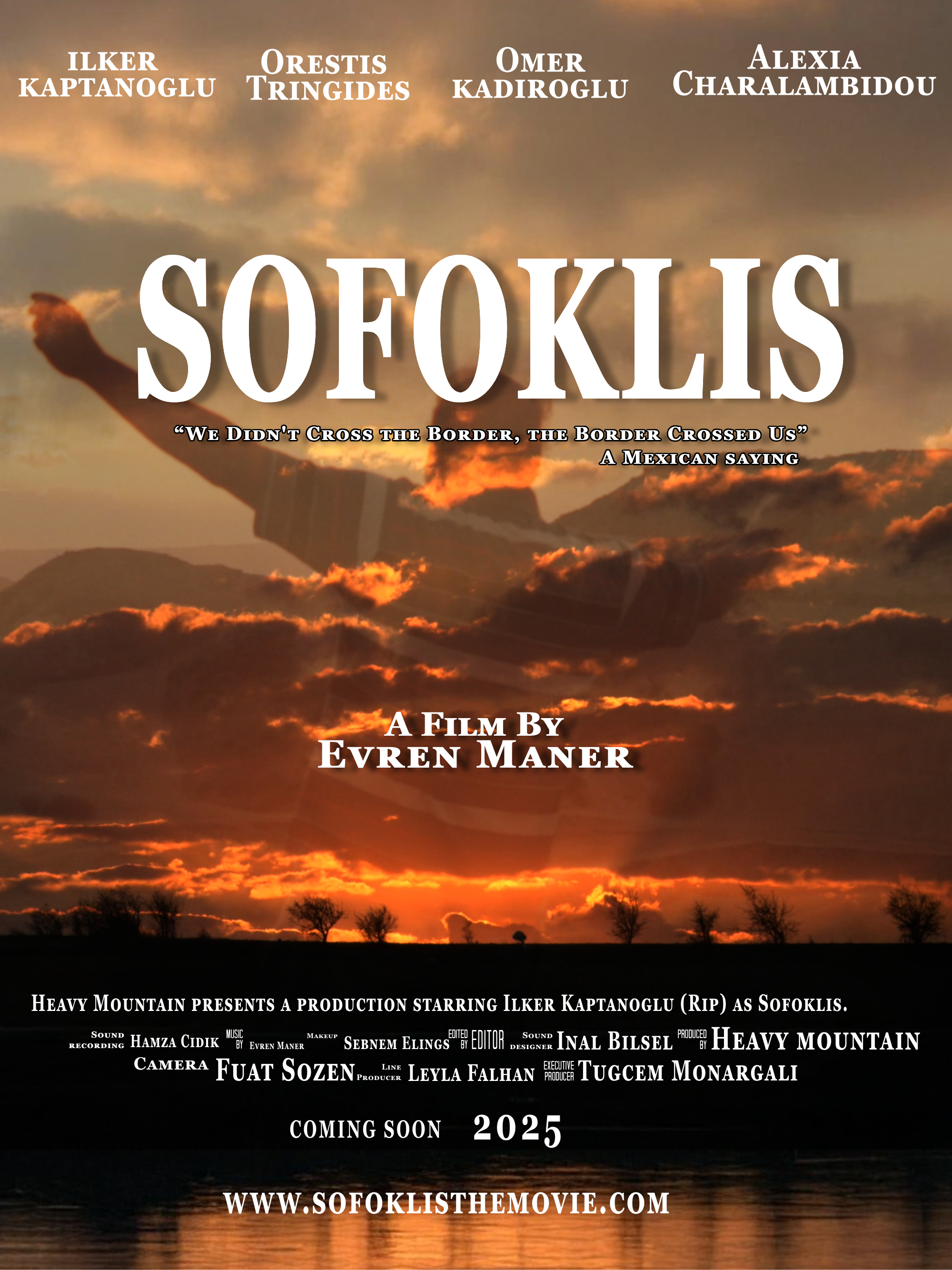
What does it mean to return, and what do we carry with us when we do, new series on Cyprus asks
Sofoklis is a character full of quiet contradictions. He wants to return to the Cyprus he has lost; and is left with loss and absence. His connections to the past, still shape his life in Cyprus today.
The idea for Sofoklis began in Cypriot film director Evren Maner’s warm and comfortable home, which he shares with a welcoming wife and daughter. Even his golden poodle is friendly and full of energy, moving around and asking for attention.
Sofoklis’ origins, for Sofoklis is also the name and main character of his latest film, lie in a real story that stayed with Maner for years. It tells of a man who left Cyprus in the 1950s, built an entire life elsewhere, and then, in his final days after the checkpoints opened, found that a hurdle still stood between him and his last wish, to return.
“What drew me to it was the quiet tragedy,” Maner says. “Almost the absurdity of a man who lives a whole life away, only to find that something still stands in his way at the very end.”
Rather than framing the narrative through politics, Maner approached it as something more humane. “I wasn’t interested in making a political statement,” he explains. “I was asking a human question, what does it mean to return, and what do we carry with us when we do?”
In Sofoklis, home is never something simple. It is not a house, or a place you can point to. It is something that shifts, something that slips away.
“The tragedy is not about a piece of land,” Maner says. “It is that he spent his whole life never really feeling at home anywhere.”
That idea feels familiar on the island. For some, it is tied to memory, to things lost or left behind. For others, especially younger people, it becomes something else, a sense that the future could be different, but has not quite arrived yet.
“On this island, that feeling exists on both sides,” he says. “It just takes a different form.”
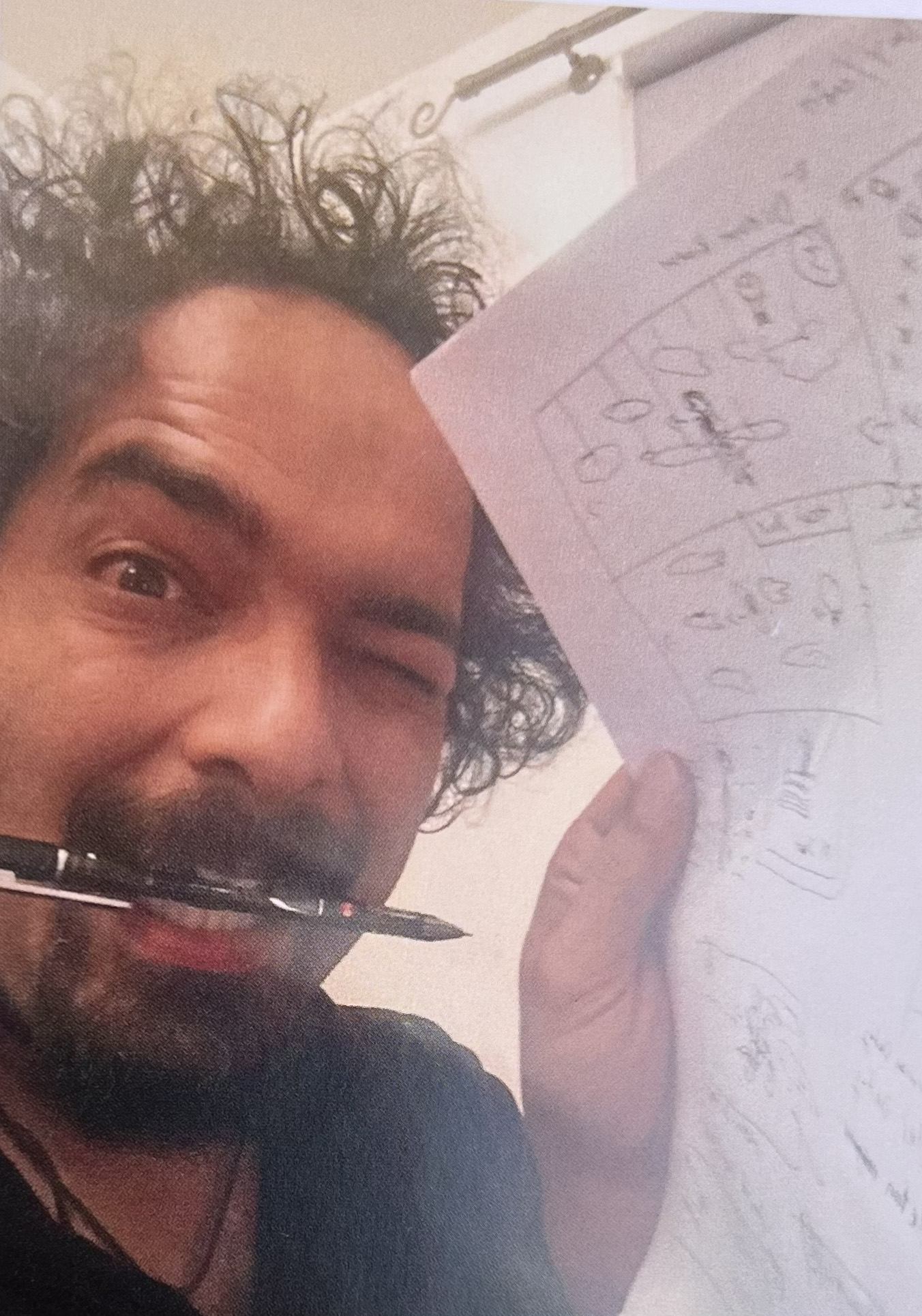
Maner did not begin in cinema in the traditional sense. He spent years as a lecturer and later led visual communications for a multimillion-euro company before stepping away to focus fully on filmmaking.
It was not a sudden decision, but a decisive one towards something more personal. Sofoklis carries that shift within it. The film is not just about identity and displacement, but about trying to make sense of them without forcing easy answers.
Instead of releasing the story as a single feature film, Maner chose to break it into seven short chapters, each around 15 minutes long.
“A two-hour film can feel like a lot,” he says, almost lightly. “But a short chapter invites you in.”
The idea is simple. Let people enter the story at their own pace. Let them stay because they want to.
“It’s not just practical,” he adds. “It’s also about how stories live now, how they reach people.”
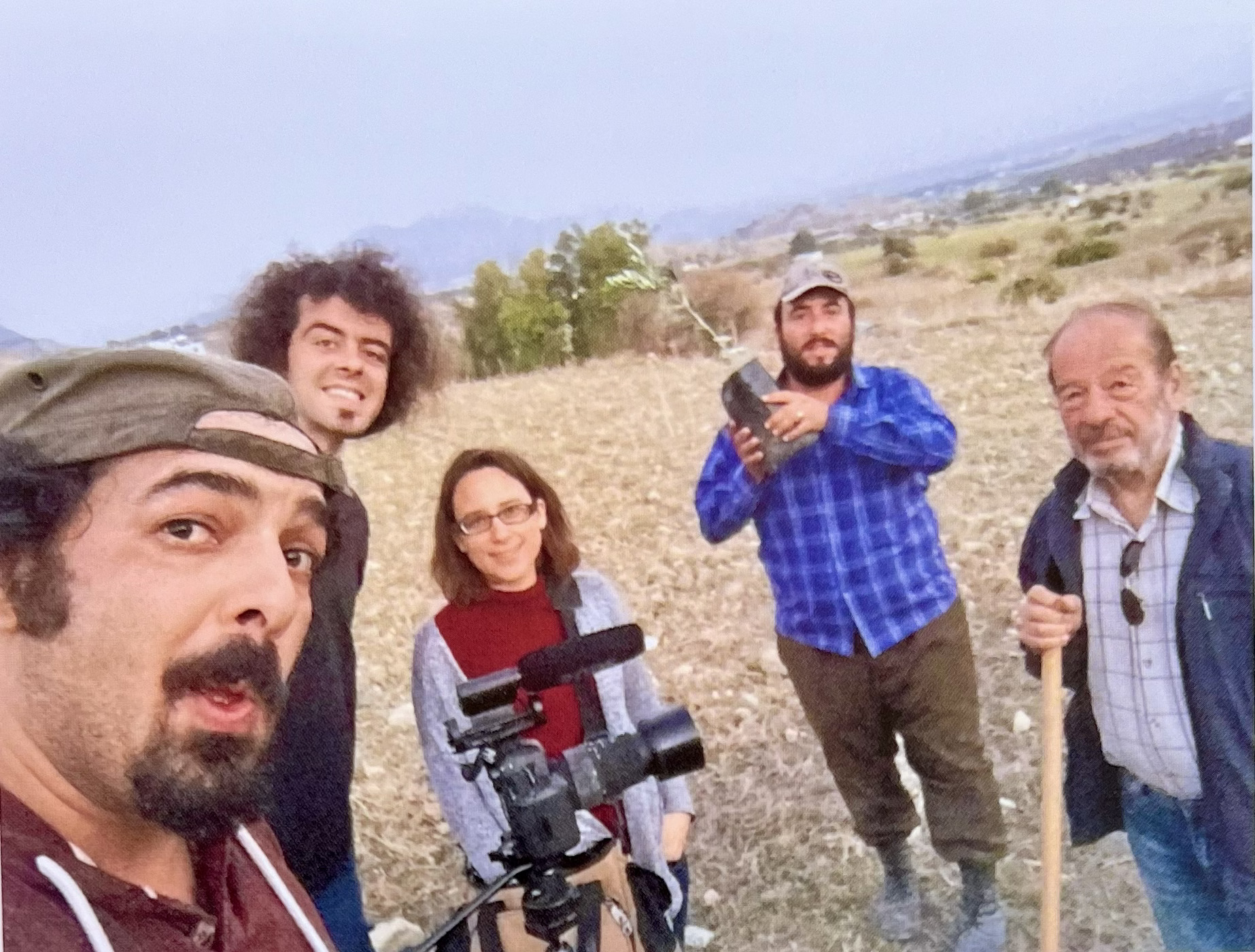
The film itself was shaped by collaboration across communities. Greek and Turkish Cypriots worked together, along with people who were not necessarily part of the film industry but felt connected to the story. “It was never just a production,” Maner says. “People came into it because they believed in it.”
That sense of shared effort is not something the film tries to highlight directly, but it is there, underneath everything.
Before the images were fully formed, there was music. For Maner, the score was a way into the emotional world of the film. Not something added later, but something that existed alongside the story from the beginning.
“I was just trying to stay with the feeling,” he says. “The silence, the memory, his presence.”
There are traces of both Greek and Anatolian sounds in the music, but they are subtle. Nothing is overstated.
If Sofoklis asks anything of its audience, it is not agreement. It is something smaller, but perhaps more difficult.
“I hope it creates a bit of space,” Maner says. “Not to agree. Just to listen.”
On an island where stories often run parallel, rarely crossing, that in itself feels significant. “Sometimes what’s missing is not more answers,” he adds. “It’s the willingness to hear each other.”
After years of working on the film, sharing it feels less like an ending than a release. “It’s a bit surreal,” he admits. “But also humbling.”
There is a pause before he continues. “At some point, it’s no longer yours. You let it go and see where it goes.”
Perhaps that is where Sofoklis settles. Not in resolution, but in that in-between space it understands so well. It is a story about return, shaped by everything that makes it difficult, and everything that makes it necessary.
“Sofoklis is a story to be enjoyed again and again, where every character, setting, and emotion comes together to bring this film to a meaningful close.”
After Sofoklis returns, he moves into his old town and eventually he dies there, with the hope that he will be buried in his homeland. But after his burial, the authorities take his body away.
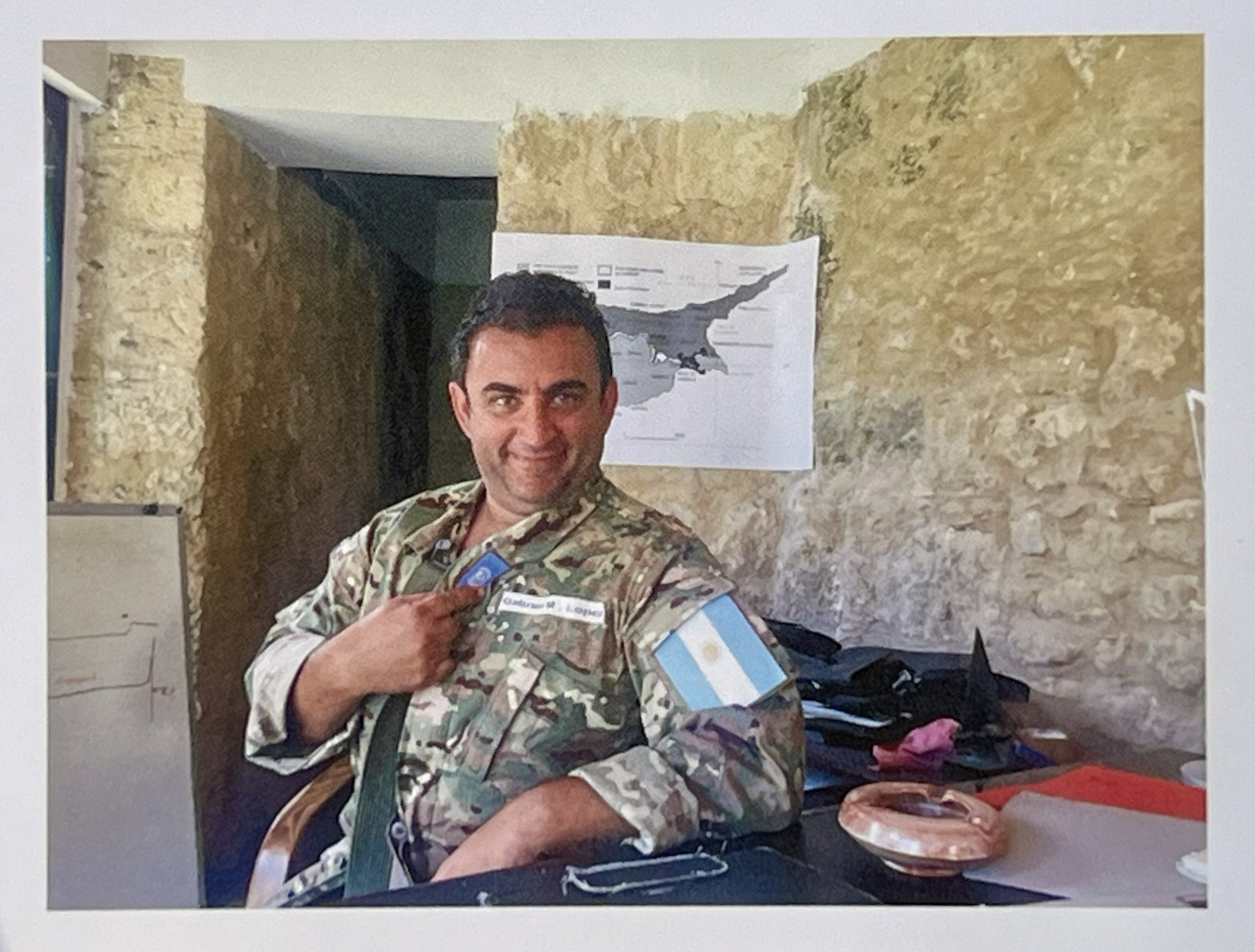
In a last action that is influenced by conflict and circumstances, a soldier is given the order to rebury him in another location, and in the end, he is laid to rest on the hill where he used to dance.
Sofoklis Episode 1: https://www.youtube.com/watch?v=vocd0VUKqXI
Sofoklis Episode 2: https://www.youtube.com/watch?v=heqntQSytYQ
Sofoklis Episode 3: https://www.youtube.com/watch?v=OK3SPLgQFjg





Click here to change your cookie preferences