
The European Union’s Pact on Migration and Asylum formally entered into force on Friday, with Cyprus and the European Commission describing the move as a historic milestone aimed at bringing greater order, responsibility and solidarity to the bloc’s migration system.
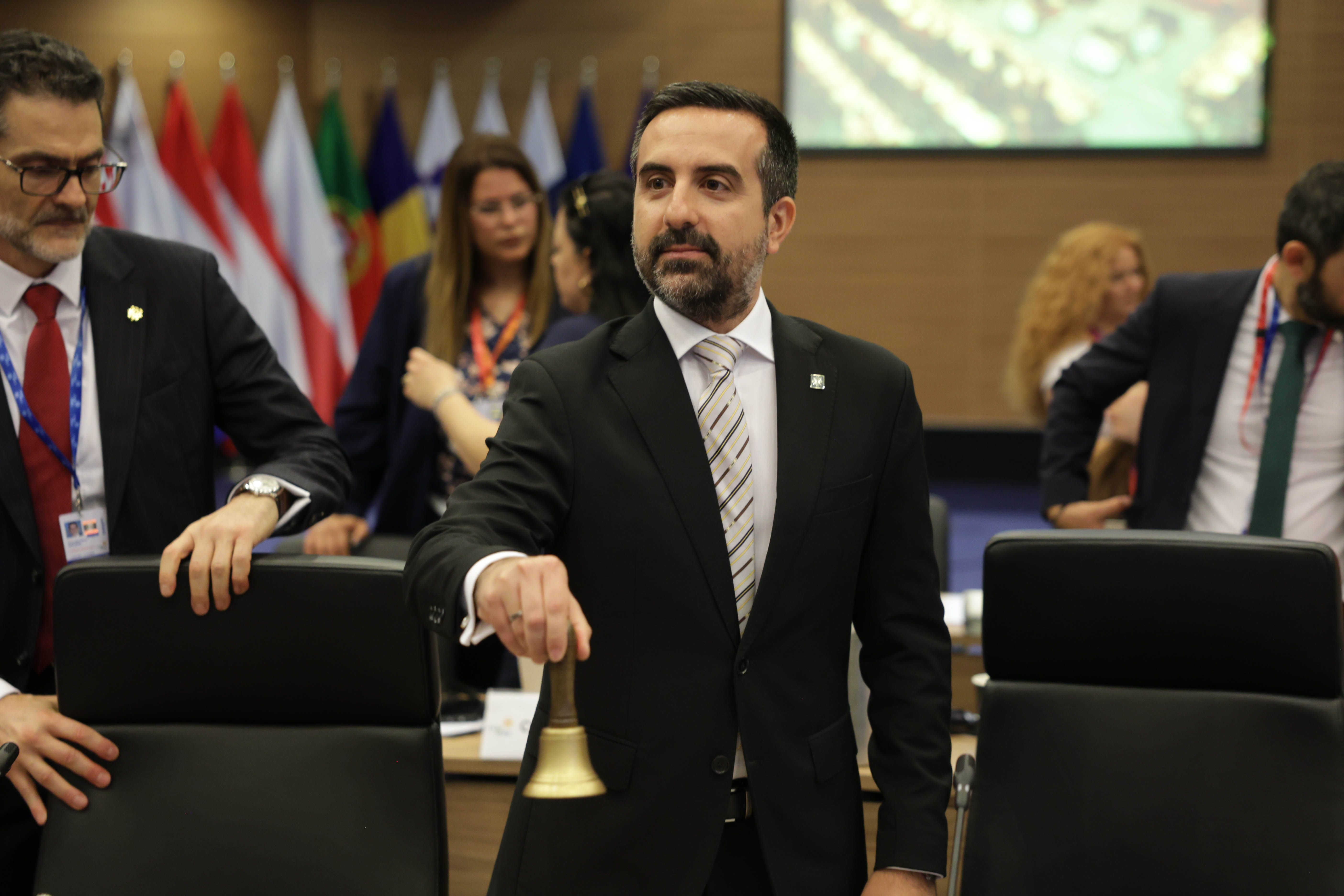
Speaking after an informal ministerial conference in Nicosia, Deputy Migration Minister Nicholas Ioannides said the pact marked the transition from years of negotiations to practical implementation.
“Today Europe moves from agreement to action,” he said.
“The pact opens a new chapter of common responsibility, practical solidarity and shared determination in managing migration.”
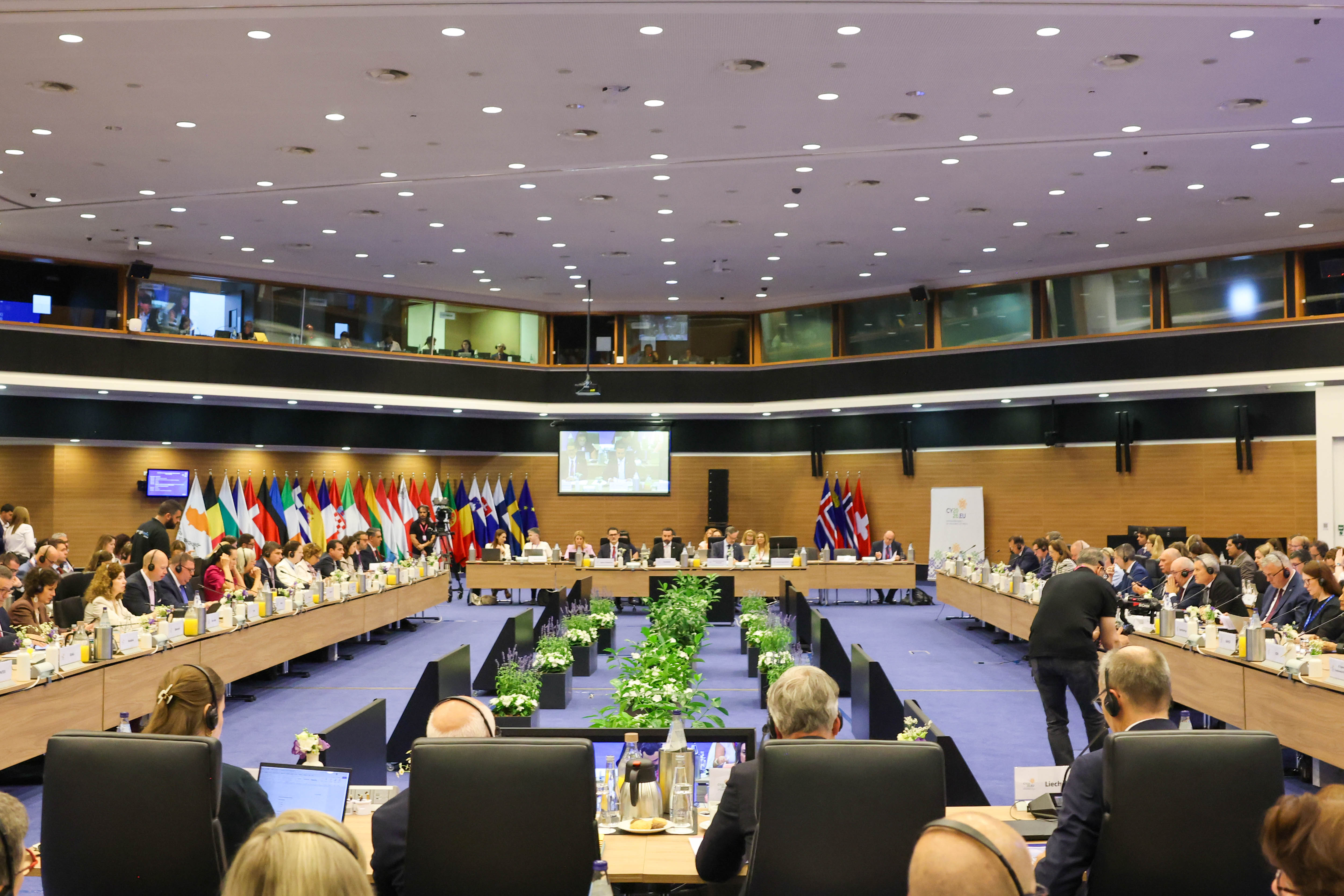
The conference brought together EU migration ministers, European Commission officials, agencies and international organisations to assess member states’ readiness for implementation.
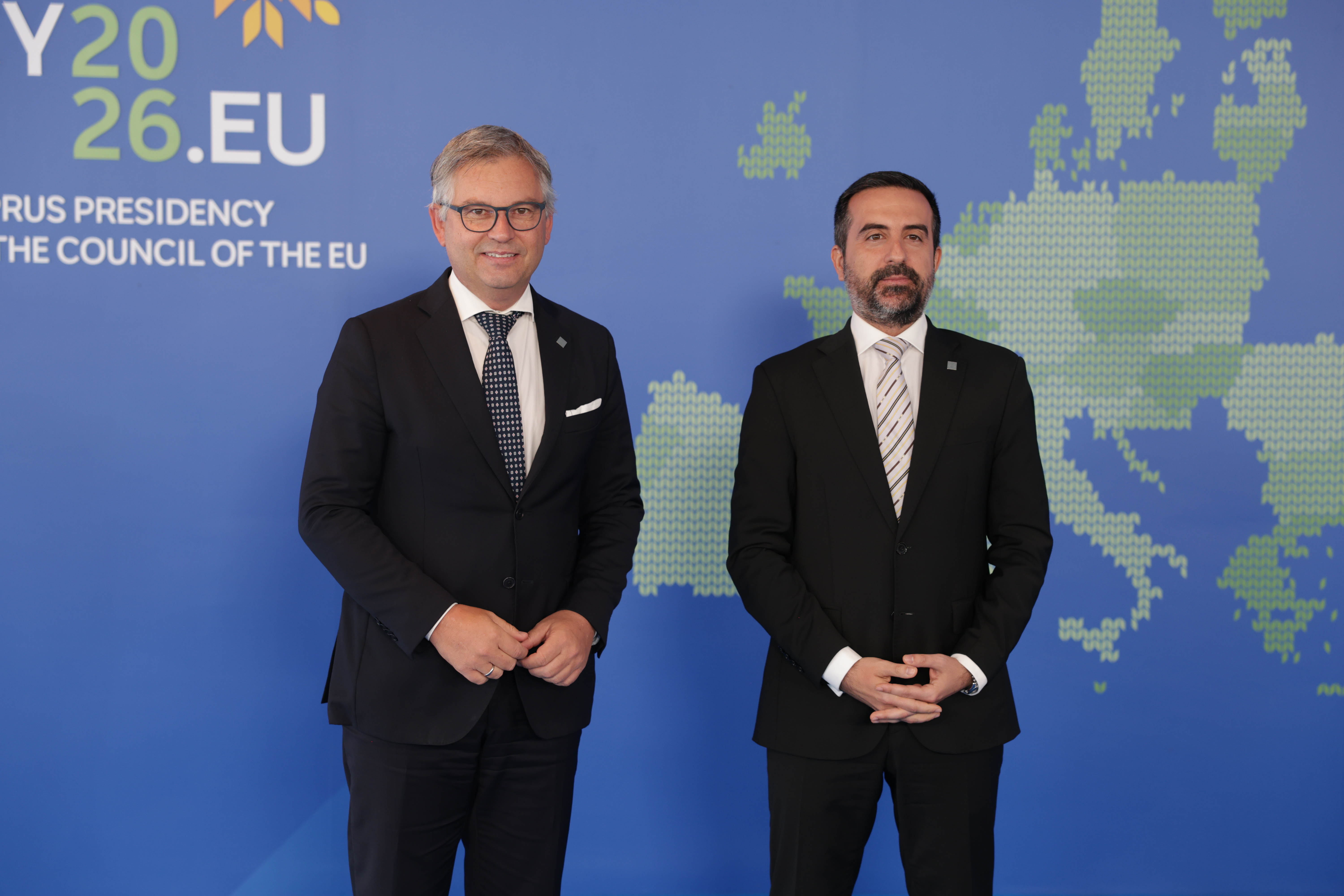
European Commissioner for Internal Affairs and Migration Magnus Brunner described the pact as the first truly comprehensive European migration framework.
“Ten years ago we took a lot of responsibility as a union, but we didn’t have any rules, we didn’t have a system,” he said.
“Now we have the rules.”
Brunner argued that migration pressures on Europe had already eased significantly.
He cited a 55 per cent decline in irregular arrivals over the past two years, a 90 per cent reduction along the Western Balkans route and a 67 per cent decrease on the route from Turkey to the Greek islands during the first four months of 2026.
He attributed the decline to a combination of migration reforms, external partnerships and increased stability in some regions.
Ioannides highlighted the recent political agreement on the EU’s new returns regulation as one of the major achievements secured during Cyprus’ presidency of the Council of the EU.
“Effective returns are an indispensable part of a functioning migration and asylum system,” he said.
“They reinforce the credibility of our common rules while ensuring that our policies remain anchored in legality, responsibility and respect for fundamental human rights.”
Brunner described the returns regulation as a key pillar of the bloc’s wider migration reform package.
He said implementation would now focus on ensuring member states align their national systems with the new rules and that the balance between solidarity and responsibility functions effectively in practice.
Responding to a question from the Cyprus Mail on Cyprus’ voluntary return scheme for Syrians, Ioannides rejected suggestions that Syrians may be returning out of fear of losing their protection status.
“Since December 2024, approximately 5,000 Syrians have returned to Syria from Cyprus on a voluntary basis,” Ioannides said.
He explained that Cyprus had introduced an organised voluntary return scheme, supported by EU funding, offering financial incentives to facilitate departures.
The scheme comes amid a shift in Cyprus’ assessment of protection claims from Syrian nationals. According to Ioannides, more than 1,500 asylum applications submitted by Syrians have been rejected, with the courts upholding those decisions.
He added that international protection status had also been revoked in a number of cases due to what authorities consider a significant change in circumstances in Syria.
“They do not fulfil the criteria under international and EU law for holding protection,” he said.
Ioannides described the programme as “a very dignified way” for Syrians to return home, stressing that participation remains voluntary.
“We’re not forcing anyone. They come on their own will, they sign papers, they get assistance,” he said.
Under the scheme, one member of a returning family may be granted a work permit to remain in Cyprus while the rest of the family returns to Syria.
Asked by the Cyprus Mail what objective criteria Cyprus and the EU were using to determine whether Syria was now safe enough for large-scale returns, Ioannides pointed to both legal developments and return figures.
“Things are much better than they were in December 2024,” he said, arguing that the growing number of Syrians choosing to return demonstrated that people felt safe enough to do so.
He also referred to judgments by the European Court of Human Rights in cases involving Syrians challenging deportation decisions, saying the court had found no risk in the return of those particular individuals.
Brunner echoed the assessment, describing stability in Syria as significantly improved compared with previous years.
“The European Union is the largest supporter of the reconstruction of Syria.” Brunner said, adding that Brussels was committed to helping stabilise and rebuild the country.
Brunner also cited a sharp drop in asylum applications from Syrians across the EU.
“We see a decrease of asylum applications by Syrians of 76 per cent,” he said, referring to figures recently published by the EU Asylum Agency.
Answering questions on so-called “return hubs” – facilities in third countries where rejected asylum seekers could be sent pending return to their countries of origin – Brunner stressed that the European Commission had only created the legal framework allowing such arrangements and that participation would remain voluntary for member states.
“It is up to the member states to negotiate with these countries,” he said.
The commissioner insisted that human rights protections remained central to the new system.
“Human rights are non-negotiable,” he said.
Any agreements between member states and third countries would be subject to scrutiny by the European Commission and monitored by international organisations including the International Organisation for Migration and the UN refugee agency, he added.
Ioannides sought to clarify that return hubs would apply only to people who had exhausted all legal remedies and received final return orders.
“We’re talking about individuals who have no right to remain in the EU,” he said.
Asked about criticism from organisations including Human Rights Watch and Amnesty International, both officials defended the reforms.
Ioannides argued that critics opposed the overall direction of the policy rather than specific safeguards.
He said the pact was designed to ensure Europe would be better prepared than it was during the migration crisis of 2015.
Brunner rejected suggestions that the reforms undermined fundamental rights.
“I would argue the contrary,” he said.
He maintained that clearer procedures would help protect those genuinely in need of international protection while reducing abuses of the asylum system and disrupting smuggling networks.
“We can only do that if we fight the illegal migration path, which is the business of smugglers and human traffickers,” he said.
Ioannides also revealed that Cyprus was not currently participating in discussions on establishing return hubs because of its role as holder of the rotating EU presidency.
“As president of the Council we are being honest brokers,” he said.
However, he indicated that Cyprus would join discussions once its presidency concludes.
“Now we’ve got a legal basis and of course we’re interested in participating in these discussions and we’ll do so right after our presidency.”





Click here to change your cookie preferences