
President Nikos Christodoulides on Friday said the second phase of the Turkish invasion in 1974 left “even deeper scars on the tragedy on our homeland and our people”.
“Fifty-two years is a long time. The unacceptable status quo cannot be the future of our homeland and our people,” he said, speaking on the 52nd anniversary of the second round of the invasion on August 14, 1974.
“Fifty-two years later, the wounds remain open,” he said, stressing the need for an end to occupation and achieving a sustainable and functional solution.
“[A] solution on the basis of the resolutions of the United Nations and the agreed framework, the negotiating acquis, and of course the principles, values and law of the European Union,” he said.
He said that as a result of persistent efforts, a new push by UN Secretary-General Antonio Guterres was now underway to resume talks where they were interrupted in Crans-Monatana in 2017, so that both sides could go “the last mile” toward a solution to the Cyprus problem.
The president added that Guterres’ visit to the island and his decision to convene a new expanded meeting following appropriate preparation had created a new outlook that made him “cautiously optimistic”.
He said that ongoing efforts to involve the European Union more actively in the process had borne fruit and made a “decisive contribution” to the process.
Foreign Minister Constantinos Kombos in a statement earlier in the day said Turkey’s crimes in 1974 were “not forgiven”.
“Fifty-two years since the second phase of the Turkish invasion of Cyprus. Turkey’s ongoing crime is not time-barred, not forgiven, not covered up,” he said in his post on X.
Lasting just three days, the second phase saw Turkey occupying the cities of Famagusta and Morphou as part of the operation dubbed “Attilla II”. It followed shortly after the United Nations called for an immediate ceasefire and an end to foreign military intervention in Cyprus in a resolution dated July 20 in the wake of the first phase of the Turkish invasion.
The second phase followed the collapse of the peace talks in Geneva, which Turkey used as a pretext, having already transferred additional armed forces on the island.
“While talks were underway in Geneva to find a peaceful solution, Turkey went ahead with its plans, expanding the barbaric invasion and illegal occupation of part of the Republic of Cyprus,” Christodoulides said.
By August 13, 1974, rumours were rife about an imminent new Turkish advance, and at 3am on August 14, Turkish Foreign Minister Turan Gunes spoke on the phone with Prime Minister Bulent Ecevit. He spoke in code: “Ayse goes on vacation.” Ayse was the name of Gunes’ daughter.
The message meant that the second phase of the invasion could begin immediately.
Shortly afterward, Turkish forces launched its second offensive, sending tanks in two directions towards Famagusta in the east and towards Morphou in the west of the island.
Within almost three days, that is, by 6pm on August 16, the Turkish tanks reached Famagusta and Morphou, thus completing the implementation of their plan. The Turkish troops were reinforced with tanks and air support and advanced from the Kyrenia bridgehead.
The operation extended Turkish control to approximately 36 per cent of Cypriot territory and established the borders that exist until today.
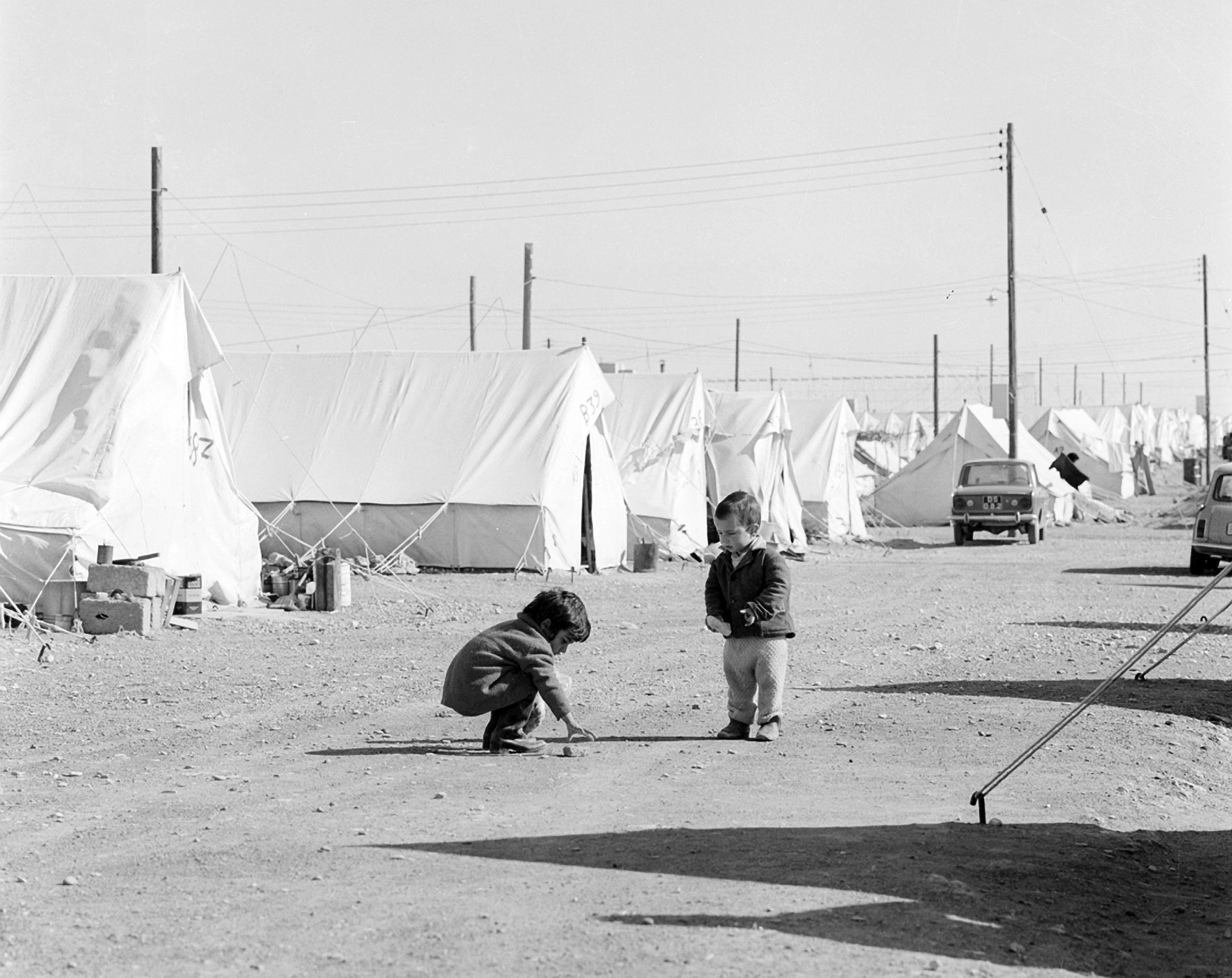
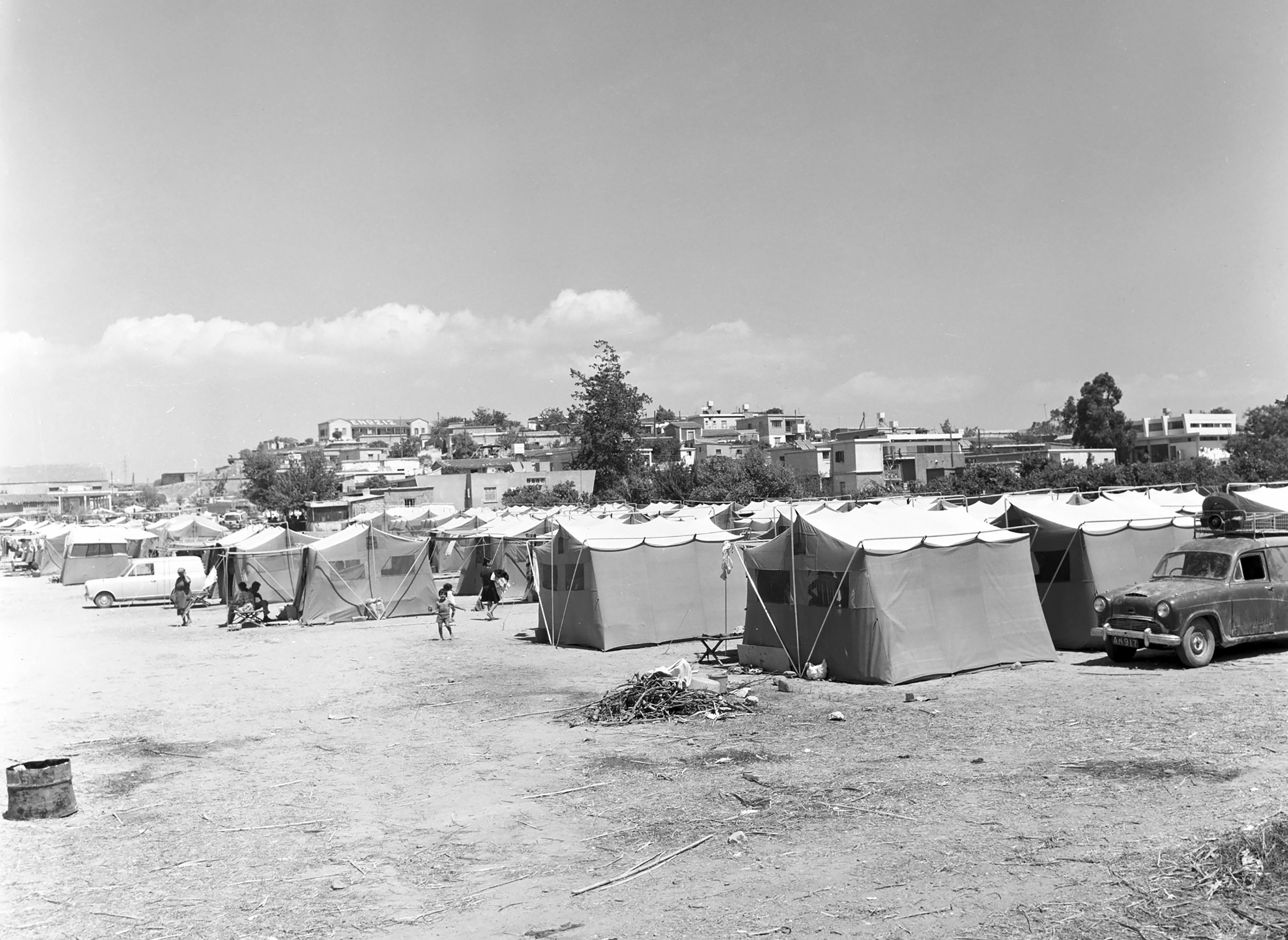
The occupation of Famagusta and Morphou, combined with the territory seized during the first phase, saw between 162,000 and 180,000 Greek Cypriots (almost one-third of the total Greek Cypriot population) forced to abandon their homes in the occupied northern part after the two phases of the invasion. Between 45,000 and 60,000 Turkish Cypriots living in purely Turkish Cypriot villages, enclaves and mixed villages in the southern part of the island moved to the occupied northern part in the following months.




Click here to change your cookie preferences