
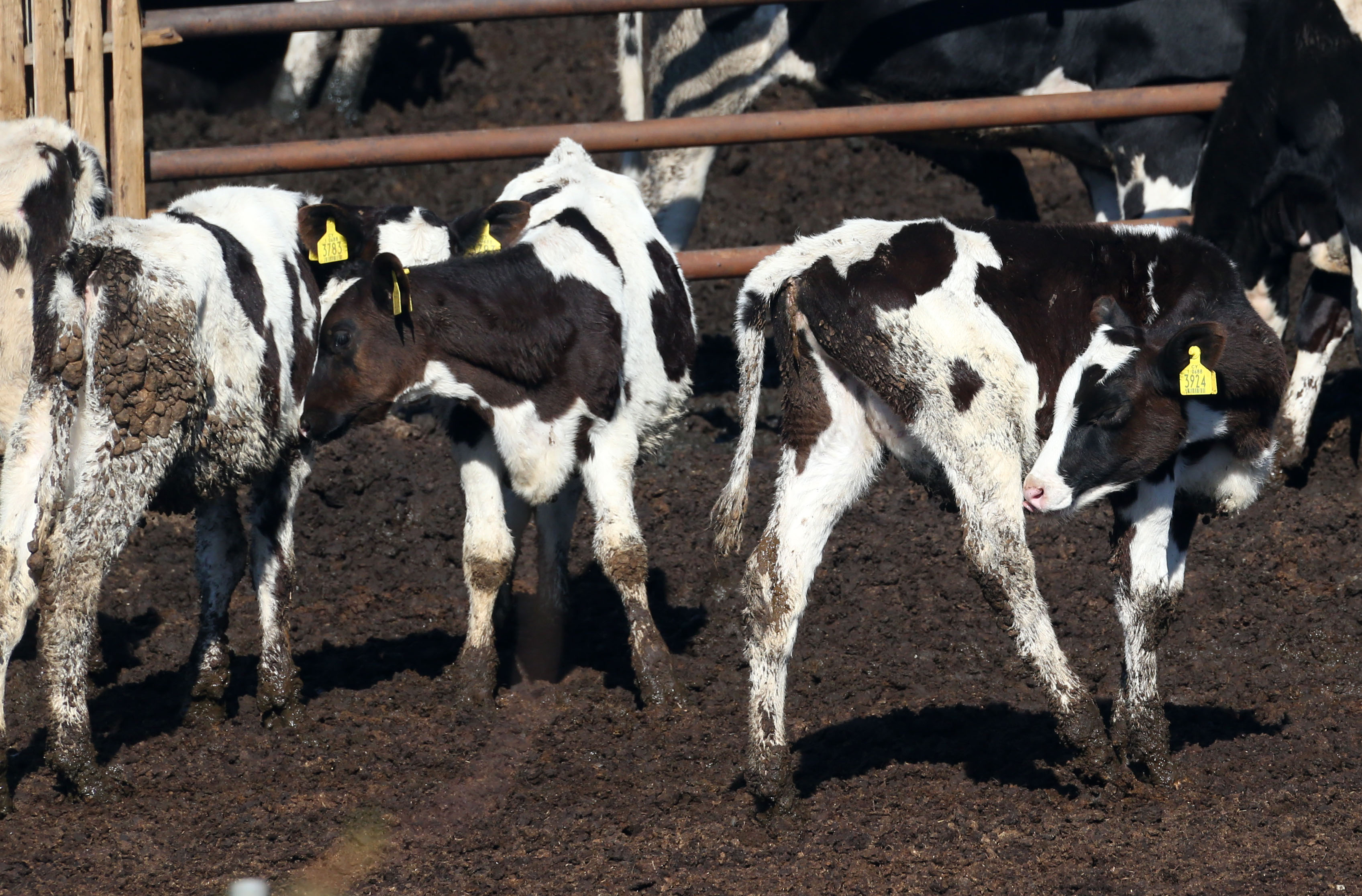
All samples examined so far in connection with the recent foot-and-mouth disease outbreak have returned negative results, a member of the government’s epidemiological team said on Monday, raising hopes that the virus has been successfully contained.
Speaking to CNA, Cyprus Veterinary Association president and epidemiological team member Dr Demetris Epaminondas said 121 livestock units remain classified as infected, while authorities are awaiting results from a final batch of samples collected in the Limassol district.
“The positive development is that all surveillance and tracing samples taken so far in Limassol and Nicosia have been negative,” he said.
The remaining test results are expected on Tuesday and, if also negative, would mark the completion of surveillance and tracing efforts within a three-kilometre radius of affected farms.
Epaminondas said culling operations linked to the outbreak were completed on Friday and that there are no outstanding cases requiring action.
Meanwhile, vaccination efforts are continuing after additional vaccine doses were received. According to Epaminondas, inoculations are set to begin in livestock units in Paphos and Limassol that had not yet been covered due to earlier vaccine shortages.
The aim, he said, is to achieve full nationwide vaccination coverage.
Authorities are also maintaining heightened controls along the demarcation line. Police patrols have already been deployed in areas along the buffer zone, while existing measures at crossing points remain in place.
Additional measures are under discussion between the authorities, police and the National Guard, Epaminondas told CNA.
Despite the encouraging test results, officials say it is too early to discuss lifting restrictions.
Epaminondas said decisions on any easing of measures would depend on two key factors: the completion of the vaccination programme and a full assessment of the epidemiological situation based on the final sampling results.
Only once those criteria have been met will authorities be in a position to establish a timetable for any relaxation of controls, he added.
He also said there was currently no need to import livestock to replace animals lost during the outbreak, noting that replenishment of the national herd could be achieved domestically.
Should the final samples from Limassol also prove negative, Epaminondas said this would be described as a particularly positive development.
He added that such a result would suggest that the infected livestock unit in Pachna was the only outbreak source identified in the district and that authorities had succeeded in preventing further spread of the virus within Limassol.
As for how the disease reached the Pachna unit, Epaminondas said investigators have some indications but are awaiting the completion of a full epidemiological report before drawing conclusions.





Click here to change your cookie preferences