
The University of Cyprus announced on Tuesday that the measures needed to protect sea turtles are the same as those required to tackle the climate crisis, as conservationists expedite efforts to safeguard two vulnerable species nesting on the island’s shores.
Marking World Sea Turtle Day, the university’s oceanographic centre drew attention to the growing impact of climate change on loggerhead turtles, (Caretta caretta), and green turtles, (Chelonia mydas), both of which breed in Cyprus.
The centre is participating in the ‘Life Adapts’ project, a Mediterranean initiative aimed at strengthening climate adaptation measures for sea turtles and monk seals.
Researchers say rising temperatures and sea level rise pose increasing risks to nesting beaches and breeding habitats.
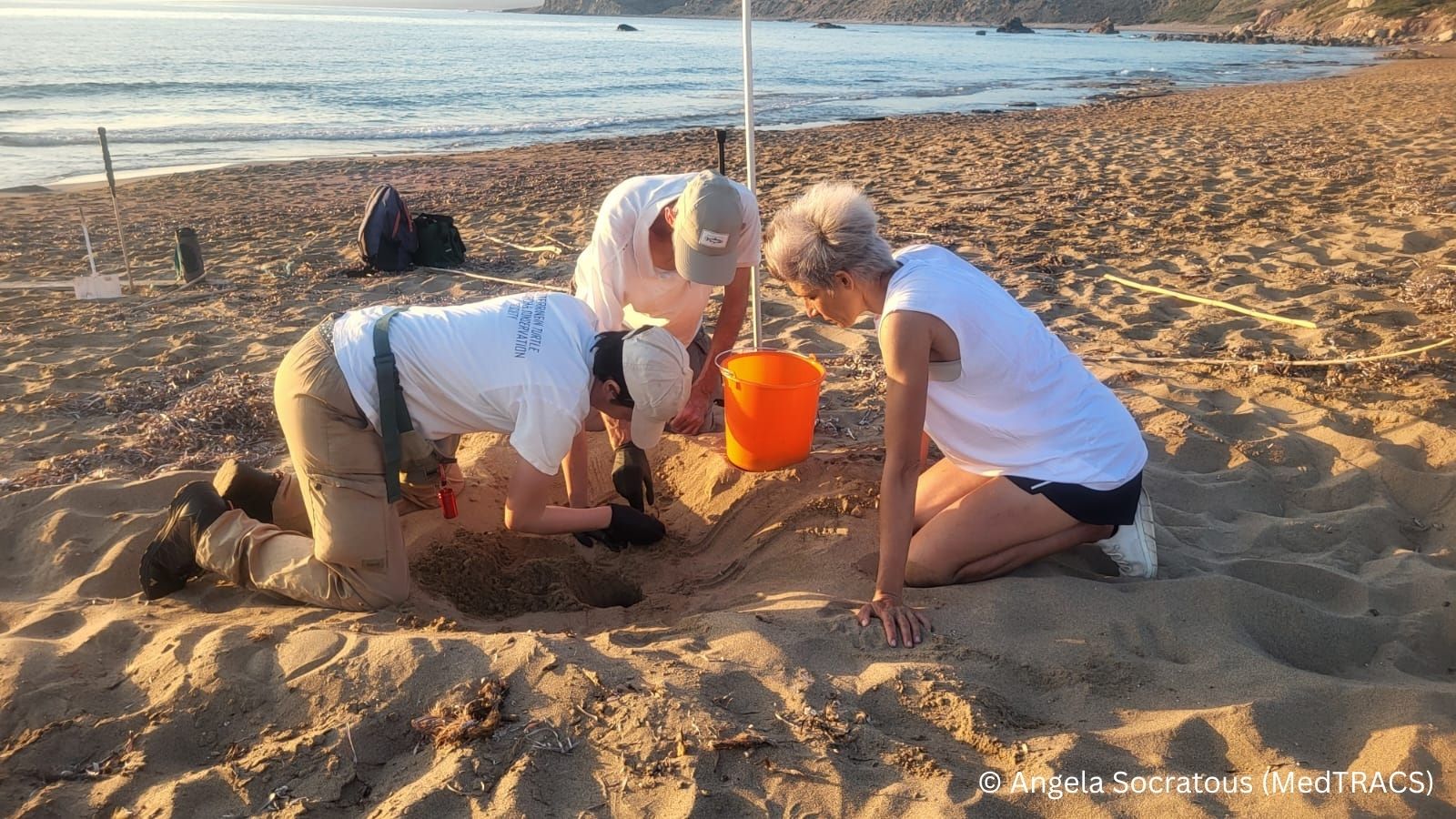
More than 100 sea turtle nests have already been identified and protected on monitored beaches in Cyprus as part of the project.
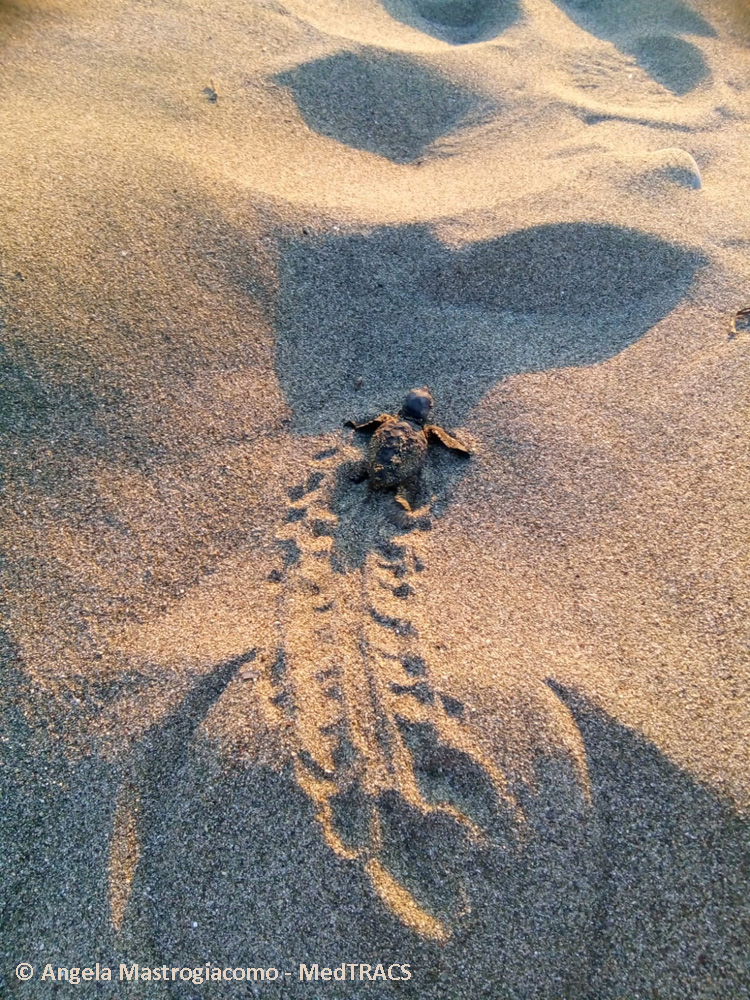
Scientists have also begun collecting temperature data to assess which nesting sites may prove more resilient to climate change.
At the same time, topographic mapping of nesting beaches is being completed to help classify breeding areas according to their vulnerability to future sea level rise.
The university urged the public to avoid visiting nesting beaches at night and to limit artificial lighting near the coast, warning that light pollution disorients turtles and hatchlings.
Visitors were also encouraged to reduce their presence on nesting beaches and protect sensitive coastal habitats.
Members of the public were advised to exercise caution in known turtle habitats, reduce boat speeds in shallow areas and remain vigilant for marine wildlife.
“Protecting sea turtles means protecting our coasts and strengthening our resilience to future challenges,” the university said.
“The actions needed to save sea turtles are the same ones needed to address the climate crisis.”
Conservation groups have increasingly cautioned against the impact of plastic pollution, abandoned fishing gear and degradation of the natural habitat on marine species.
The ‘Life Adapts’ project, co-funded by the EU and coordinated by the University of Pisa, brings together organisations from Cyprus, Greece and Italy to develop coordinated responses to climate-related threats across the Mediterranean.
According to the University of Cyprus, the project’s international scope allows researchers and conservationists to share expertise and develop common strategies to address the environmental pressures affecting marine ecosystems throughout the region.



Click here to change your cookie preferences