
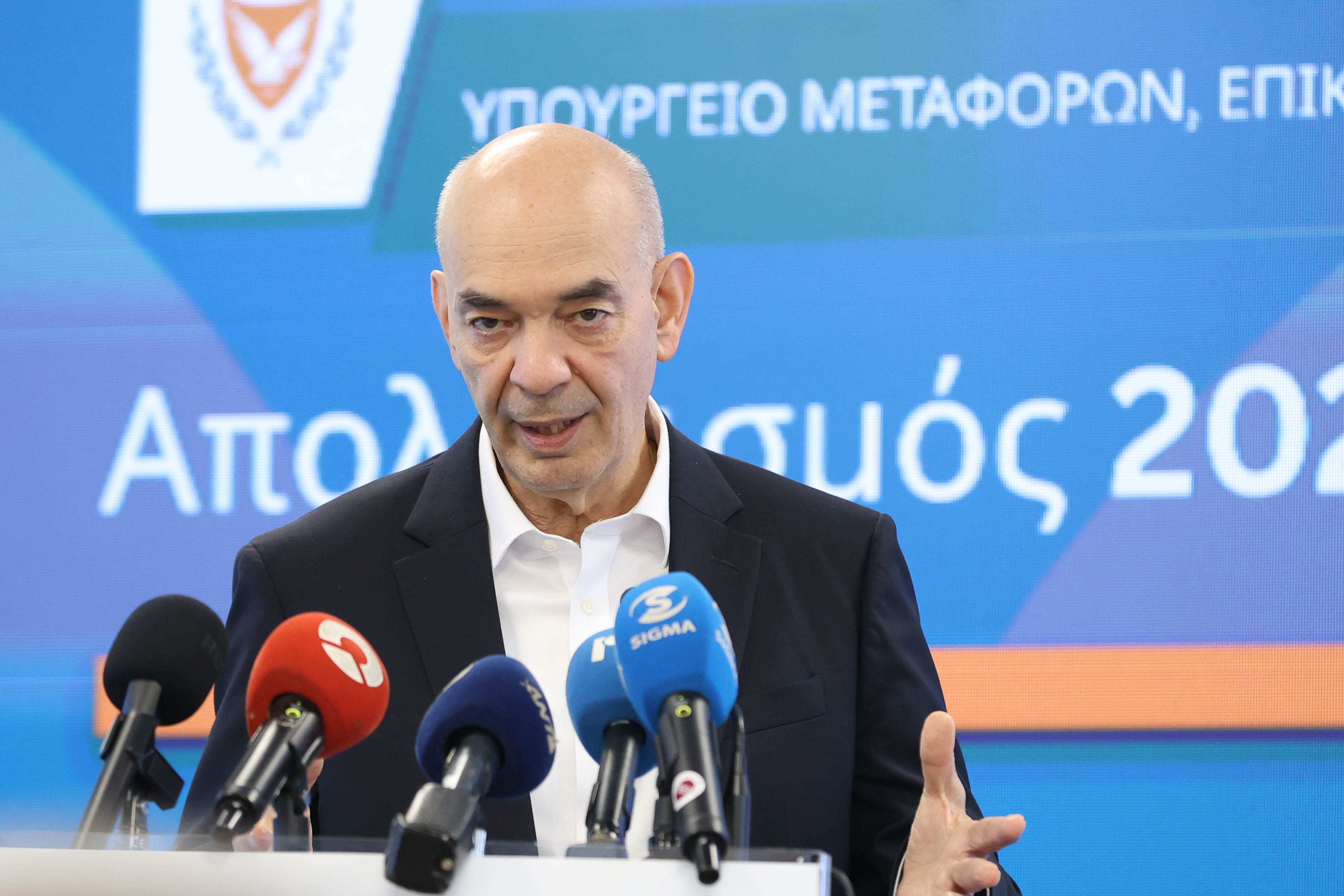
From traffic congestion and road safety to electric vehicles and Cyprus’ ambitions as a regional transport hub, the challenges facing the transport sector are wide-ranging.
In an interview with the Cyprus Mail, Transport Minister Alexis Vafeades said the government’s priority is to make everyday travel easier while investing in infrastructure that supports long-term growth and sustainability.
At the heart of the challenge is Cyprus’ dependence on private cars.
Despite repeated attempts over the years to encourage greater use of buses, Cyprus remains one of the most car-reliant countries in Europe.
Vafeades believes that the responsibility for change lies first with the state.
“We have to be honest about this,” the minister told the Cyprus Mail, “people in Cyprus rely heavily on their cars because, for many years, public transport did not meet their daily needs.”
He said changing commuting habits would only happen if public transport became a genuine alternative.
“Before asking people to change habits, the state must first offer a service that is reliable, frequent and practical,” he said.
According to Vafeades, the ministry’s strategy focuses on improving bus timetables, increasing frequency on key routes, expanding real-time passenger information systems and introducing more park-and-ride options. Measures are also being examined to improve bus efficiency in urban areas, where congestion often affects reliability.
“If citizens see that public transport can save them time, reduce cost and make their daily movement easier, then more people will be willing to use it.”
Another challenge is the shortage of professional drivers, which Vafeades described as a “Europe-wide problem affecting service reliability.”
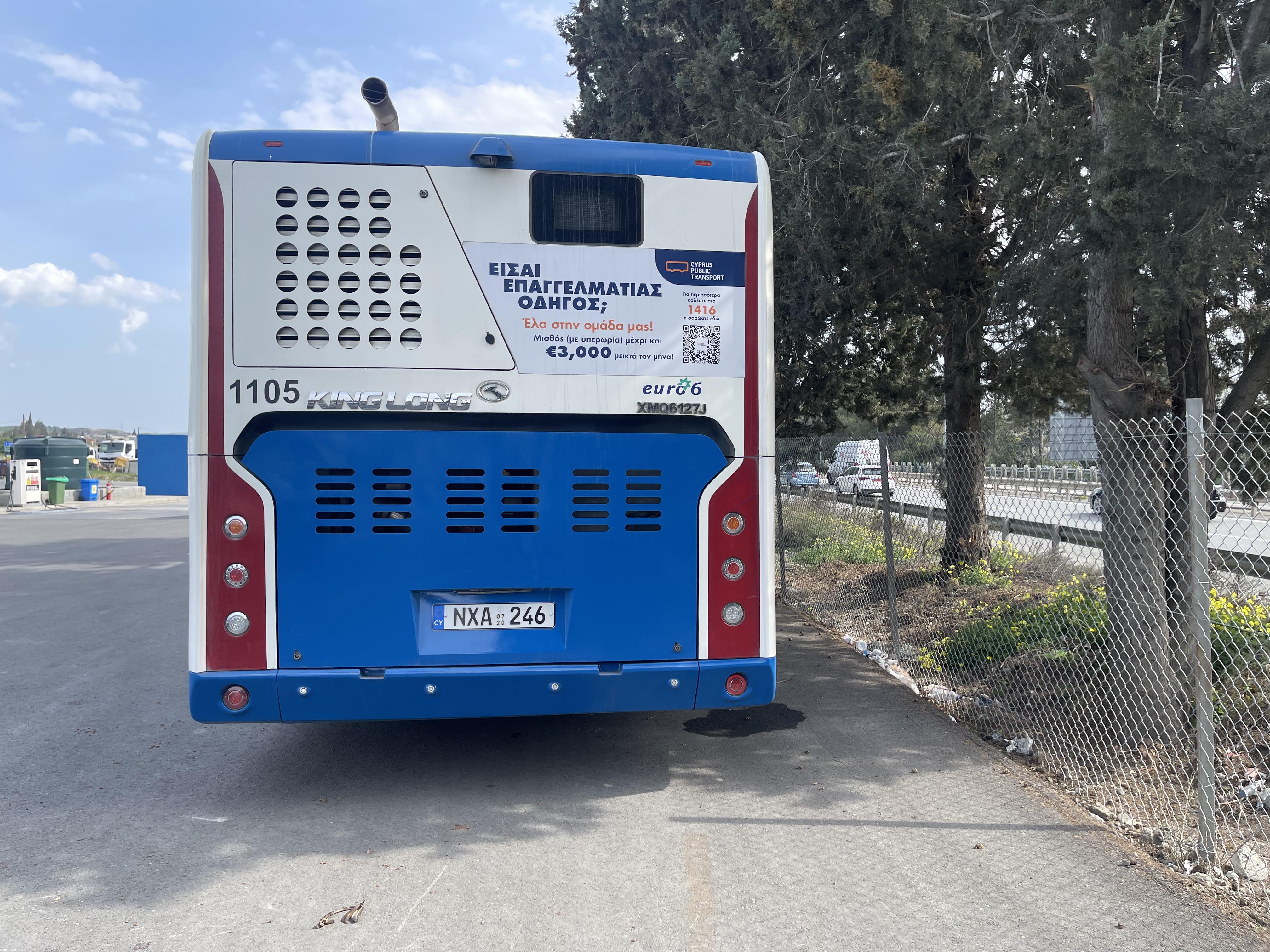
The ministry, he said, is working with operators “to make the profession more attractive” through improved workforce planning, more predictable schedules and a review of training and licensing procedures.
“Public transport cannot become a reliable alternative unless we also support the people who operate it every day,” he said.
More broadly, Vafeades said his vision is for a safer, better-connected Cyprus, with infrastructure designed to improve quality of life, support businesses and strengthen communities.
His priorities include “road safety, public transport, reducing congestion, supporting the green transition and strengthening Cyprus’ connectivity as an island state.”
Road safety remains a particular focus, with efforts centred on safer road infrastructure, upgraded junctions, improved lighting, additional pedestrian crossings, expanded cycling facilities and awareness campaigns targeting younger drivers.
On congestion, Vafeades said building more roads alone would not solve the problem.
“We need smarter traffic management, targeted improvements at key points, better public transport and more options for people to move without depending entirely on the private car.”
He tells us that the ministry’s approach combines infrastructure upgrades with enforcement, education and alternative mobility options to address traffic pressures more effectively.
One of the largest projects currently being advanced is the Limassol north bypass, aimed at easing pressure on one of the island’s busiest transport corridors.
The minister said that the “three phases of the bypass project west of Limassol are currently planned, with procurement expected by the end of 2026 and construction targeted for completion within three years” adding that “the government is following a phased and evidence-based approach to road infrastructure investments, ensuring projects are technically sound, environmentally responsible and financially sustainable”.
Elsewhere he said the ministry is examining targeted interventions across Cyprus to improve connectivity, accessibility and safety in areas where citizens face significant daily transport challenges.
Beyond domestic mobility, Cyprus is seeking to strengthen its role as a regional maritime, aviation and logistics hub through its participation in the Trans-European Transport Network (TEN-T).
“Our objective is for Cyprus to be seen not as a periphery, but as a gateway,” Vafeades said, adding that connectivity is vital for trade, tourism, resilience and supply-chain security.
He described ports as critical infrastructure for an island economy and said future plans include upgrading facilities, expanding digital systems and promoting greener practices across the sector.
Asked about instability in the Middle East, Vafeades said the government closely monitors developments to safeguard transport links and fuel supplies.
“We cannot control every external factor, but we can prepare better and build a more resilient system”, he said.
The ministry is also continuing efforts to support the transition to electric vehicles, with further expansion of charging infrastructure planned in urban areas, along major routes and in more remote locations.
“The transition will only succeed if citizens feel that the necessary infrastructure is actually available,” he said.
Looking ahead, Vafeades sees technology as a key tool for improving transport services, from real-time passenger information and smarter traffic management to more efficient infrastructure planning.
“The goal is not innovation for its own sake,” he said. “The goal is to use technology where it improves safety, efficiency, sustainability and the everyday experience of citizens.”





Click here to change your cookie preferences