
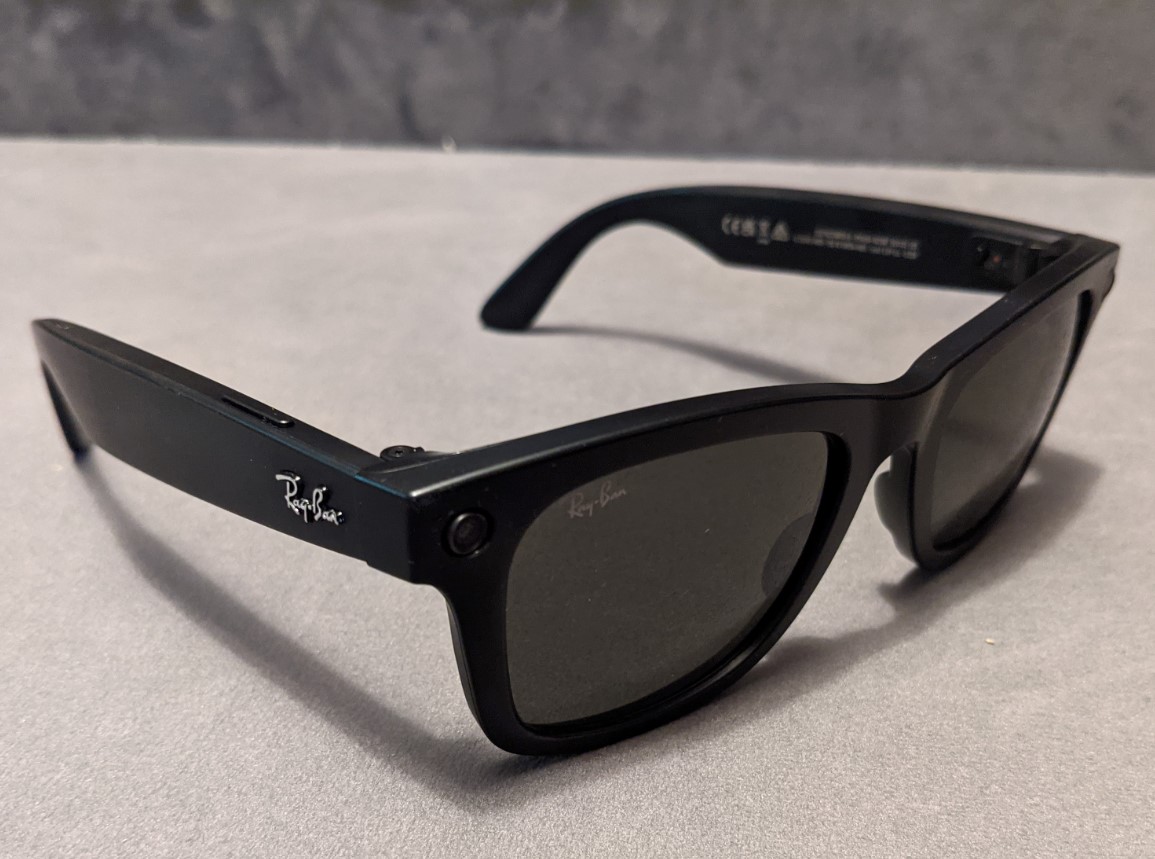
The near-eye display market is on track for a recovery in 2026, with revenue projected to climb to $675 million, representing a 12 per cent year-on-year increase following a sharp contraction during the previous year.
According to the latest analysis from Omdia published on July 1, 2026, shipments are expected to reach 14.53 million units, a 16 per cent rise driven largely by rapid expansion in the augmented reality sector.
This growth in AR glasses is helping to offset continued weakness in the virtual reality segment, where market sentiment remains notably subdued.
“Since 2025, the XR industry has undergone a notable strategic shift,” said Omdia principal analyst Valerie Li.
She noted that major technology companies, including Meta, Apple, Samsung and Huawei, have adjusted their product roadmaps, delaying or scaling back VR headset launches in favour of lightweight AI smart glasses and AR glasses.
The AR glasses segment is expected to become the fastest-growing application within the market this year, buoyed by new product launches from firms such as RayNeo, Alibaba, XREAL and VITURE.
Omdia forecasts that AR display shipments will hit 4.1 million units, marking a 154 per cent year-on-year growth, while revenue is projected to rise by 152 per cent to $156 million.
This momentum is supported by rising industry investment and the expansion of the broader AR ecosystem.
In stark contrast, the VR display market remains under significant pressure following consecutive declines, with any future recovery expected to be gradual.
VR headsets continue to grapple with structural hurdles, including a lack of major product refreshes, bulky form factors, high power consumption and an ecosystem that has yet to produce compelling mass-market use cases.
Investment and consumer attention are increasingly pivoting toward AI-enabled eyewear and lightweight AR devices.
Meta has slowed the pace of new VR headset launches as its current models mature, while the Apple Vision Pro has underperformed against initial sales expectations and the Samsung Galaxy XR has yet to gain meaningful traction.
Consequently, leading vendors are exercising caution regarding their investment priorities and long-term growth expectations for the VR segment.
VR display shipments are forecast to decline by 4 per cent year-on-year to 10.5 million units in 2026, with market revenue similarly expected to drop by 4 per cent to $518.7 million.





Click here to change your cookie preferences