
‘Provided that we do not have any breakdowns’
Cyprus’ electricity grid is equipped to meet the increased demand which is forecast over the summer amid rising temperatures and the subsequent increased use of air conditioning, transmission system operator (TSO) spokeswoman Chara Kousiappa said on Tuesday.
She told the Cyprus News Agency that demand reached a high of 1,156 megawatts at 2.30pm on Monday and remained as high as 921 megawatts at 8pm on the same day – a level she described as “relatively high for the evening hours”.
Nonetheless, she said, “we have sufficient capacity to meet demand”, with that demand forecast to reach a maximum of between 1,260 megawatts and 1,300 megawatts at the height of summer.
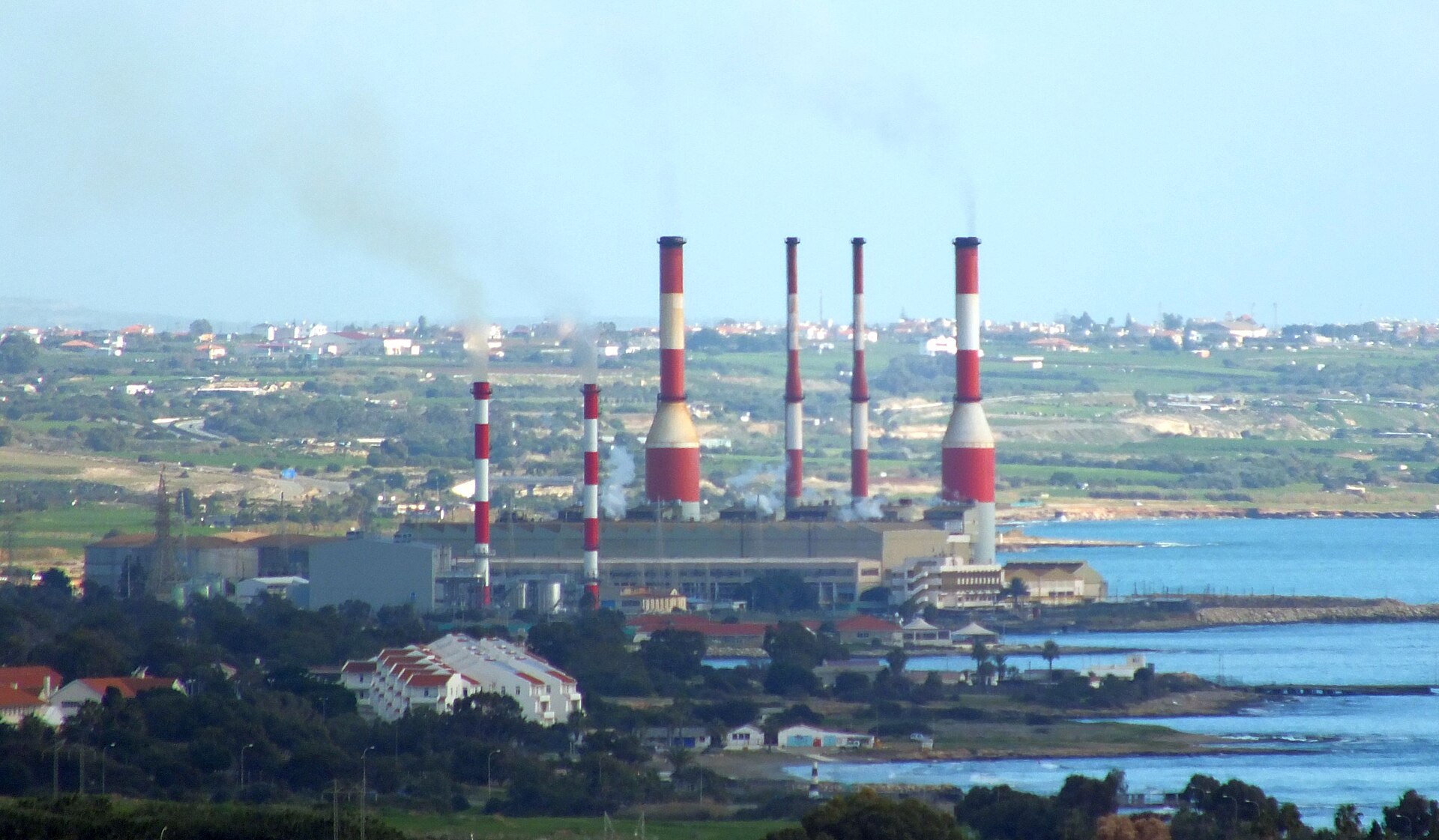
Additionally, she said, a maximum demand of between 1,060 megawatts and 1,090 megawatts has been forecast for late afternoons at the height of summer, with these hours key, as they are when the island depends most on conventional power generation.
“It seems that demand will be able to be met, provided that we do not have any breakdowns,” she said, though she did note that “if there are breakdowns in power stations, a safe prediction cannot be made, as breakdowns are unpredictable”.
Should there be breakdowns and faults at power stations, she said, there may not be sufficient capacity, and the TSO “may proceed with actions … to limit demand at specific times”.
This, she said, could, in the worst-case scenario, entail rolling blackouts, though she stressed that “at this moment, it appears that we do not have a problem”.
She went on to explain that electricity demand rises when exceptionally hot temperatures are recorded in consecutive days, as “buildings heat up and the use of air conditioners increases further”.
“We believe that demand will reach higher levels if the hot days continue,” she said.
In addition, she spoke about the proportion of electricity production sourced through renewable energy sources, and said that it reached 70 per cent “for many hours a day and for consecutive days” during the hottest weather of the summer so far.
She added that during the late afternoons, the proportion of energy sourced through renewables has “hovered around 60 per cent”, and was expected to “momentarily reach around 65 per cent” on Monday afternoon.
However, she said, the proportion of renewable energy falls sharply in the evenings and at night, with only 40 to 50 megawatts of renewable energy being produced during the night.
“That is why the critical hours, during which we depend on conventional generation, are the evenings,” she said.





Click here to change your cookie preferences